Aluminum Sheet Metal Fabrication
Aluminum cuts faster and lighter than steel, and it will also crack at a bend radius that steel would shrug off. Getting the alloy and the radius right is most of the job.
Working With Aluminum Sheet and Extrusion
Aluminum is chosen for weight, corrosion resistance and thermal behaviour, but the three alloys used in fabrication behave differently. 5052 bends well and resists corrosion, which makes it the default for formed enclosures and chassis. 6061 machines and welds cleanly and takes structural loads, but it cracks at tight bend radii in the harder tempers. 6063 is an extrusion alloy — used for profiles and frames rather than formed sheet.
Aluminum also needs a different set of habits in the workshop: a larger minimum bend radius than steel at the same thickness, tooling that will not gall the surface, dedicated consumables for welding, and awareness that an anodised finish cannot hide scratches the way powder coating can. We confirm the alloy and the radius before cutting rather than discovering it at the press brake.
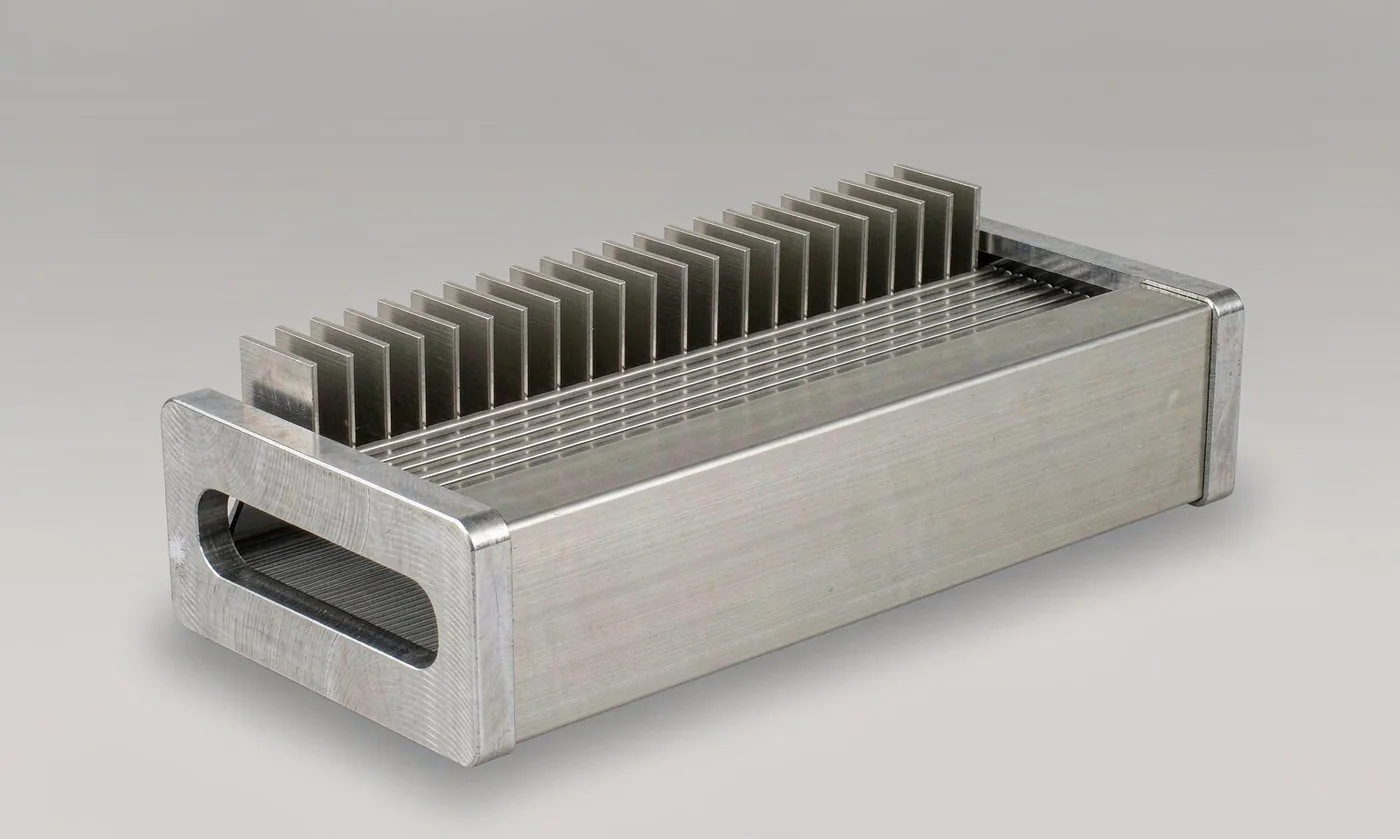
A Closer Look at This Capability
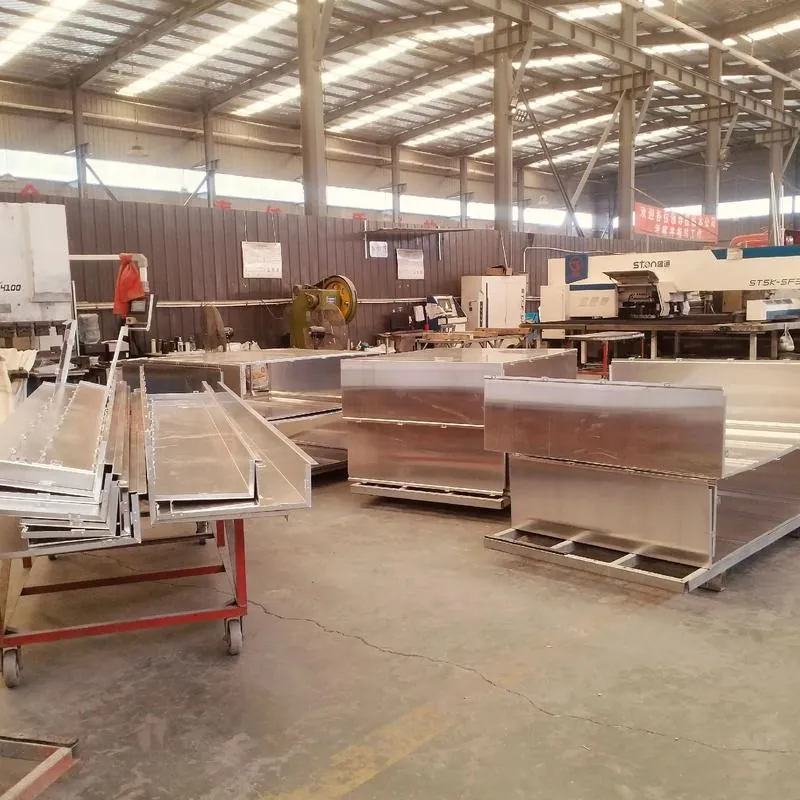
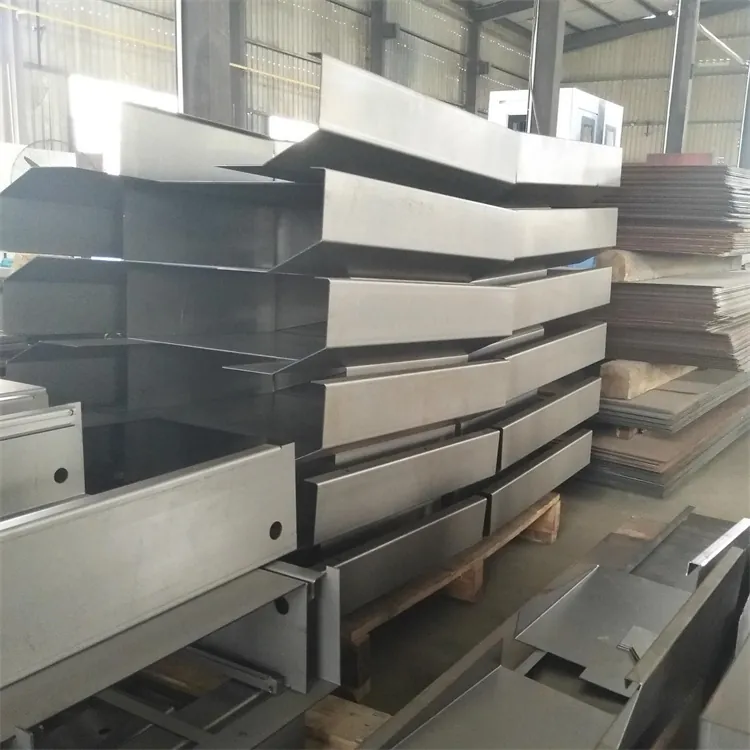
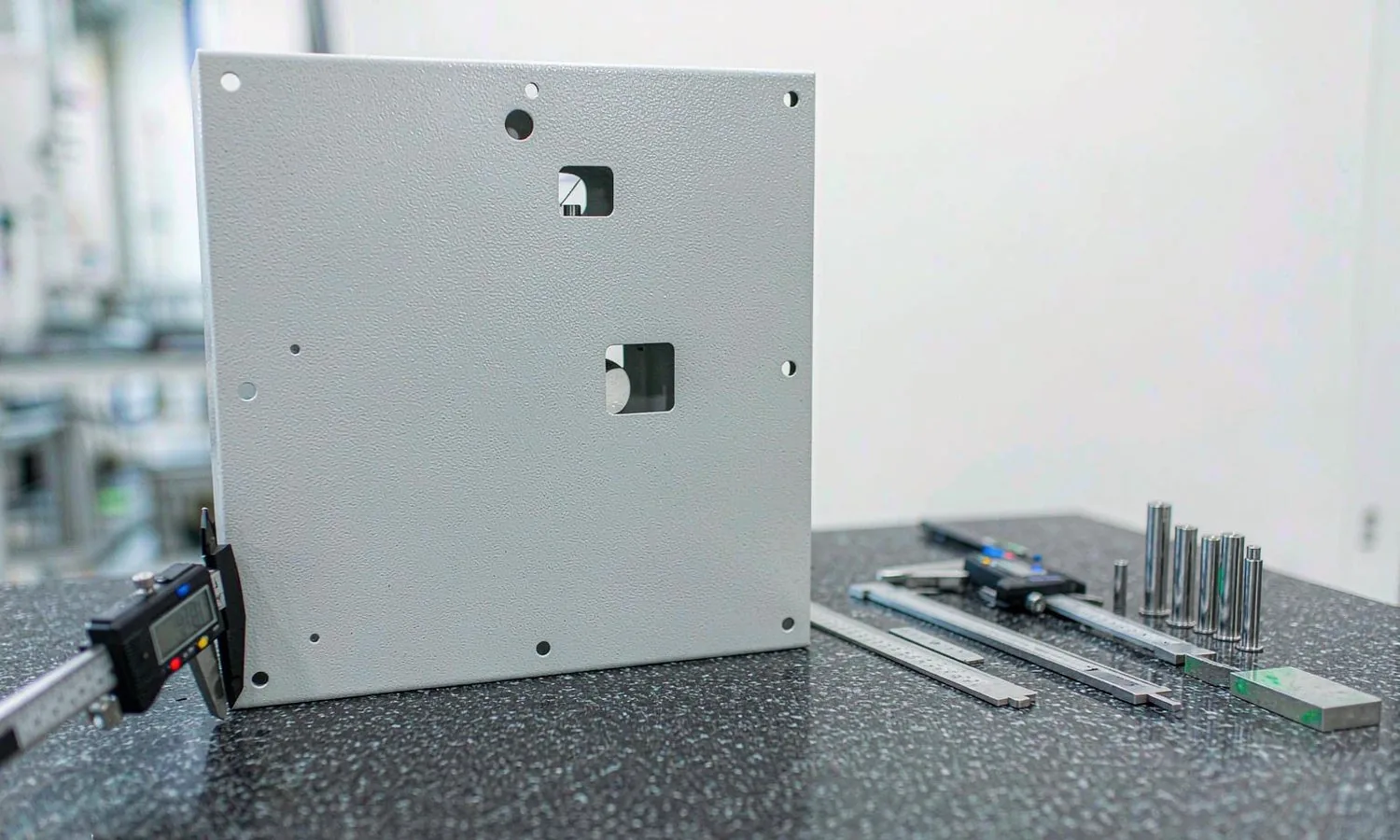
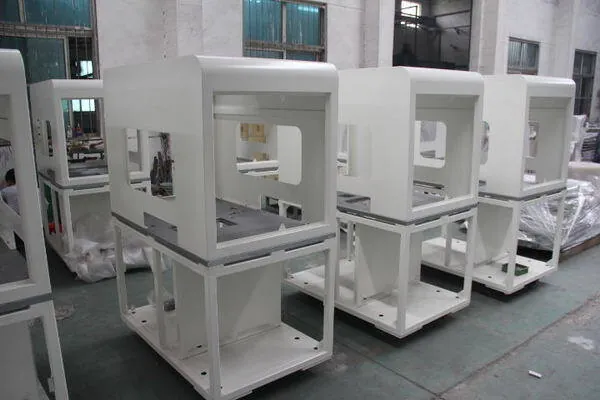
Representative photographs of the equipment, the process and the parts produced.


Specifications at a Glance
| Parameter | Typical Specification |
|---|---|
| Common alloys | 5052 for formed enclosures and corrosion resistance; 6061 for structural and machined parts; 6063 for extrusion profiles and frames |
| Thickness range | 0.5-6.0 mm depending on alloy, temper and application |
| Cutting | Fiber laser cutting with settings matched to aluminium reflectivity and thickness |
| Forming | CNC press brake with tooling and radii suited to aluminium and the specific temper |
| Welding | TIG welding with matched filler and dedicated consumables to avoid contamination |
| Finishes | Anodising (clear or coloured), powder coating, brushed and satin finishing, chromate conversion on request |
| Bend radius | Larger minimum inside radius than steel at the same thickness — confirmed during DFM review |
| Typical tolerance | +/-0.1 mm on critical dimensions; +/0.15 mm general, in line with the drawing |
The parameters above are representative of typical work in this category. Your drawing defines the final specification, and every quotation states the scope it covers.
What We Do in This Area
Every job is customised to your drawing. Use these categories as a starting point for your enquiry.
5052 Sheet Parts and Enclosures
The workhorse forming alloy: bends cleanly, resists corrosion and takes a finish well, ideal for chassis and housings.
| Forming | Good at moderate radii |
| Corrosion | Resistant |
| Typical use | Enclosures and chassis |
6061 Structural and Machined Parts
Stronger and machinable, with welding and bending behaviour that must be planned rather than assumed.
| Strength | Higher |
| Machining | Good |
| Note | Check bend radius by temper |
6063 Extrusion Profiles and Frames
Profile material for frames, rails and edges, combined with formed sheet panels to build enclosure structures.
| Form | Extrusion |
| Typical use | Frames and rails |
| Finish | Anodised |
Capability, Tolerances & Documentation
Alloys and thickness
| 5052 | Forming, corrosion |
| 6061 | Structural, machined |
| 6063 | Extrusion, frames |
| Thickness | 0.5-6.0 mm |
Process notes
| Bend radius | Larger than steel |
| Tooling | Non-galling |
| Welding | Dedicated consumables |
| Anodising | Clear or coloured |
Quality
| Critical tolerance | +/-0.1 mm |
| Surface | Protected during handling |
| Inspection | Per drawing |
| Report | On request |
Where This Fits in the Production Route
Aluminum jobs are planned around two facts: the alloy decides how far you can bend it, and the finish decides how carefully it has to be handled. We confirm the alloy and the minimum radius before cutting, cut on fiber laser with aluminium-specific settings, form on tooling that will not gall the surface, and join with dedicated consumables. Parts destined for anodising are handled so the surface is not scratched in transit, because an anodised finish reveals handling damage that powder coating would cover.
- Drawing review with DFM feedback before production release
- Fiber laser cutting of the complete flat pattern in one set-up
- CNC press-brake forming, welding and grinding
- Coating applied before gaskets, hardware and glass are fitted
- First-article and sample inspection recorded for each batch
Common Questions
5052 is the usual choice for formed enclosures because it bends well and resists corrosion. 6061 is stronger and machinable but must be checked against bend radius for the temper being used.
Aluminum needs a larger minimum inside bend radius than steel at the same thickness, and harder tempers crack if the radius is too tight. We confirm the radius at DFM review rather than at the press brake.
Yes — clear and coloured anodising, as well as powder coating and brushed finishes. Anodising shows handling scratches, so parts are protected through the process.
Yes, TIG welding with matched filler and dedicated consumables. Aluminum welds need clean preparation because oxides and contamination affect the result more than they do in steel.
0.5 mm to 6.0 mm, with the practical range depending on the alloy, temper and the operations involved.
Yes, and 5052 in particular resists corrosion well. For coastal or highly corrosive environments, we confirm the alloy and finish combination at quotation stage.
Send Us Your Drawing
Tell us what you need made, the environment it works in and the quantity — we will return engineering feedback and a quotation, typically within 24 hours on working days.