Outdoor Battery & Power Equipment Cabinet Enclosures
Weatherproof sheet metal cabinets that house batteries, power supplies, UPS units, telecom power systems and field equipment: sealed doors, filtered ventilation, rain protection and corrosion-resistant finishes for continuous outdoor service.
Enclosures Built for Weather, Not Just Dimensions
Outdoor power cabinets are judged on what happens after two rainy seasons: whether the door still seals, whether the plinth has started to corrode, whether the filter frame is serviceable without dismantling the cabinet. Every design decision we make is aimed at that service life.
We fabricate to your drawing and help you close the details that are usually overlooked — drip edges above the gasket line, a bottom plate that drains instead of holding water, a hinge set that carries the weight of an insulated door over years of use.
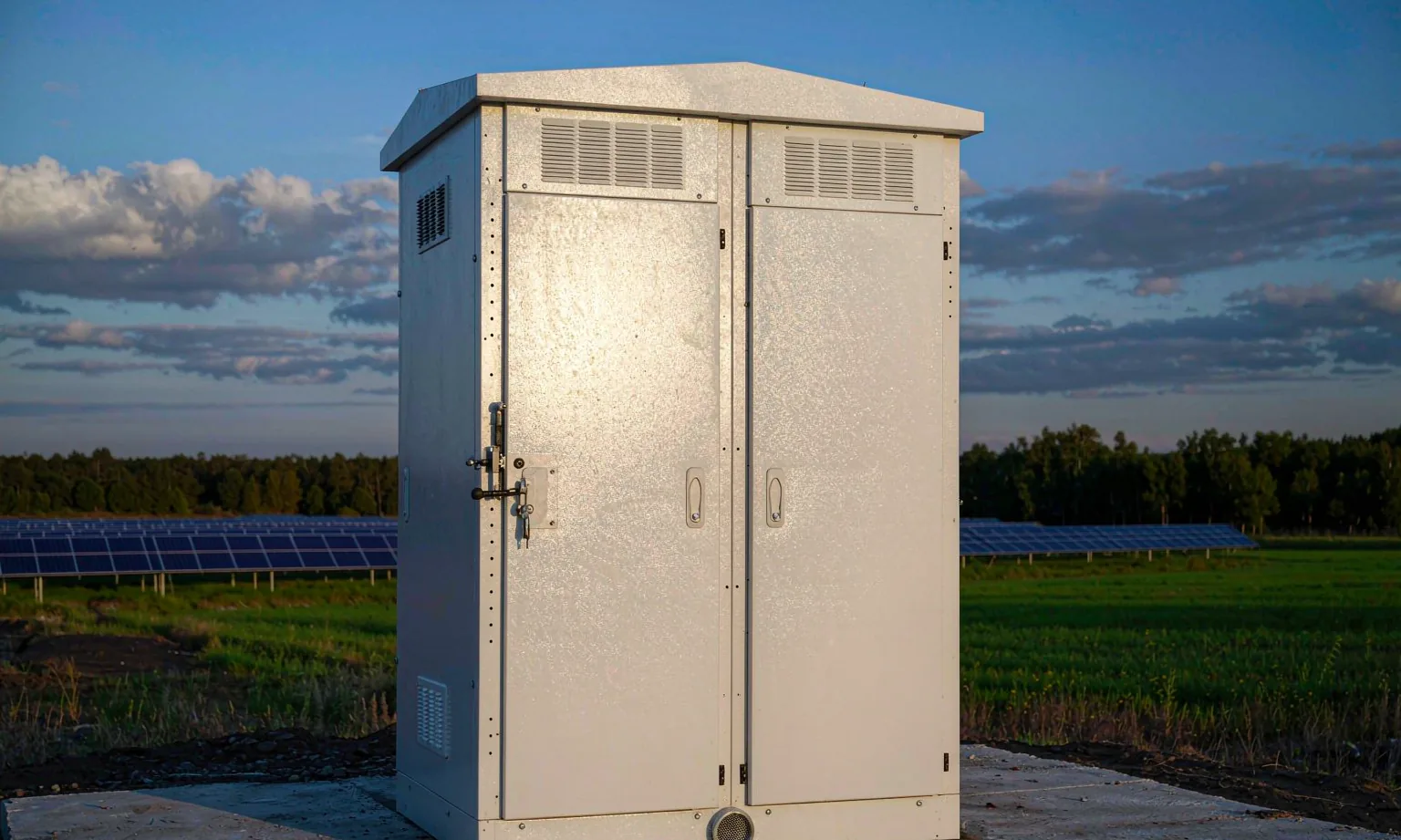
Closer Look at This Enclosure Type
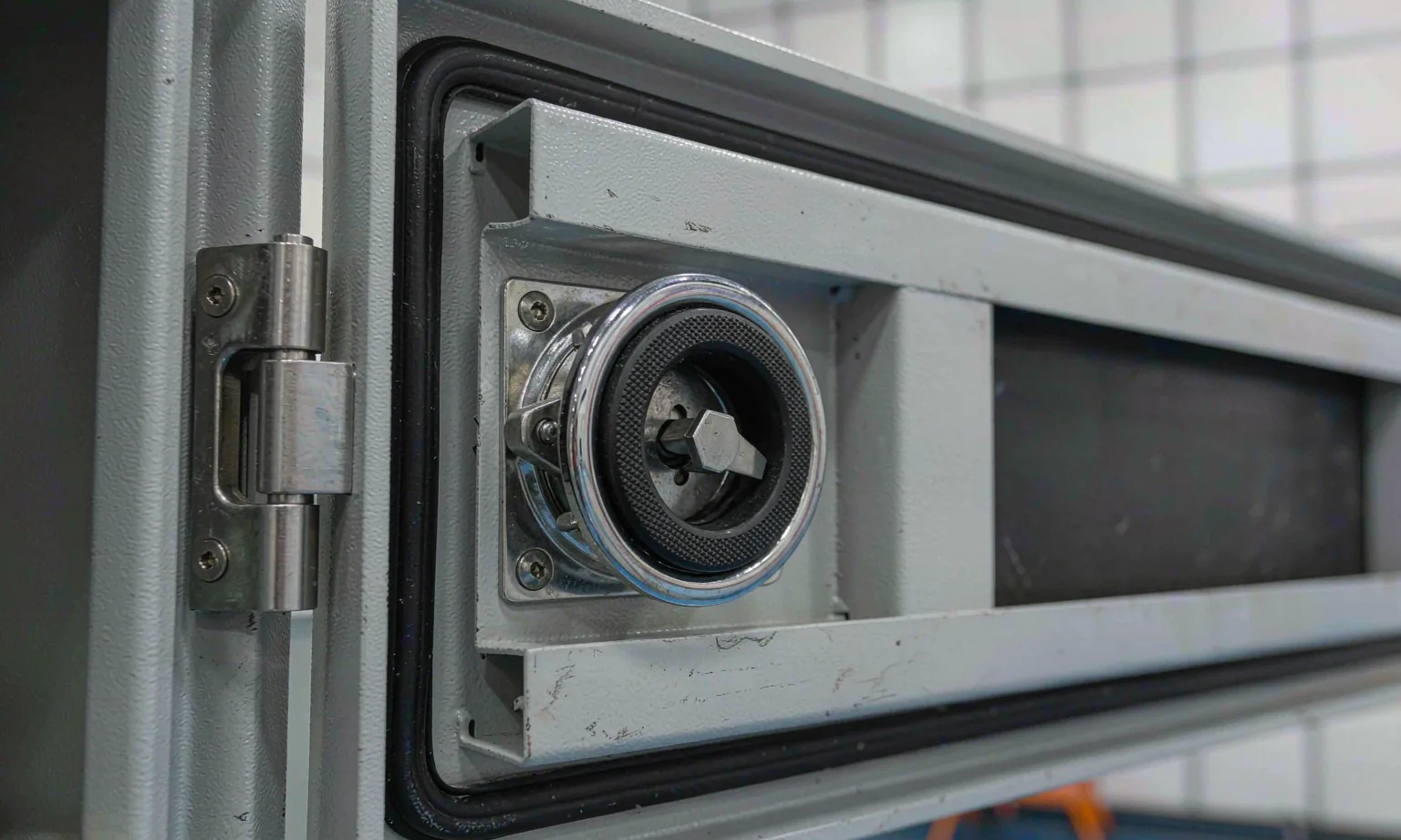
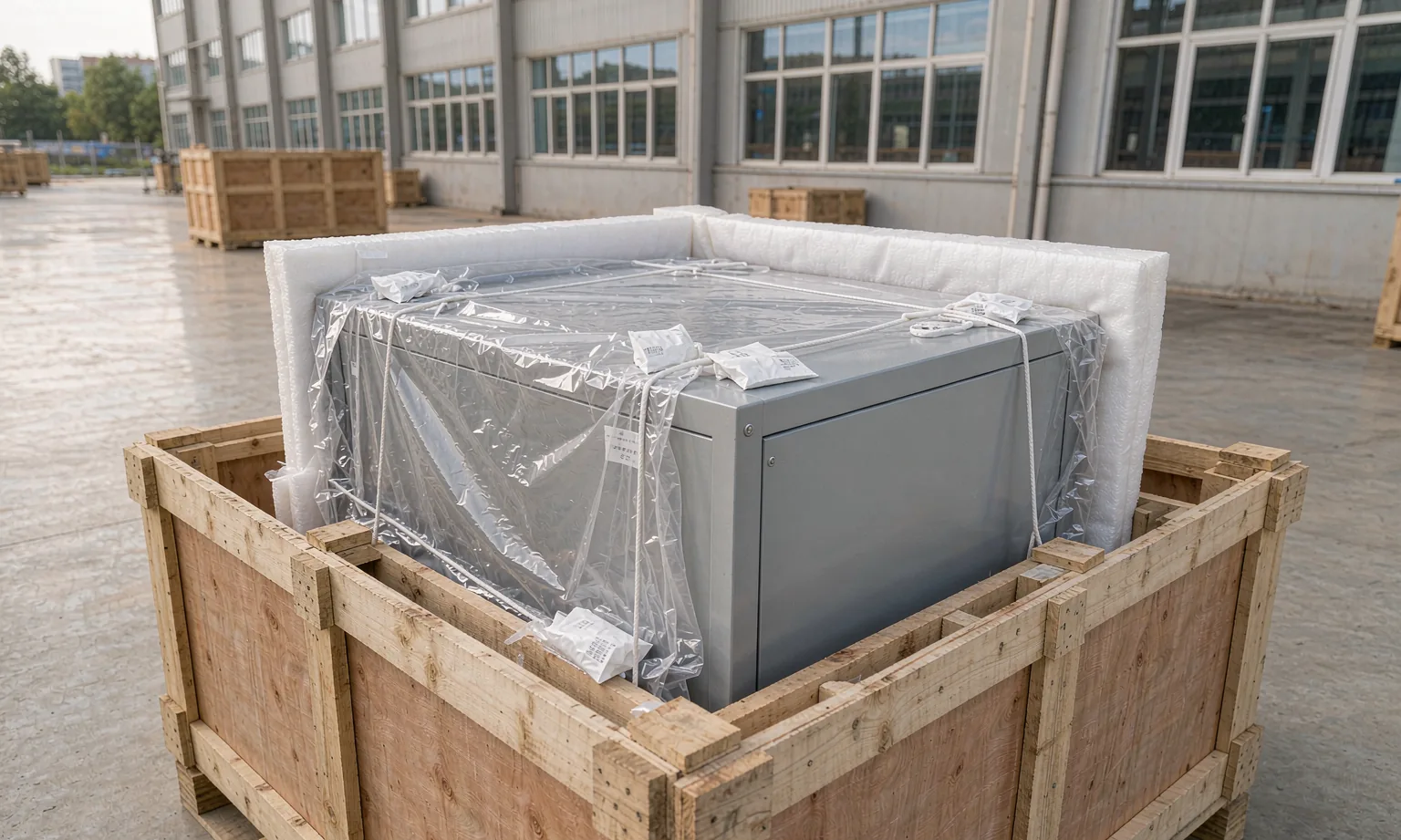
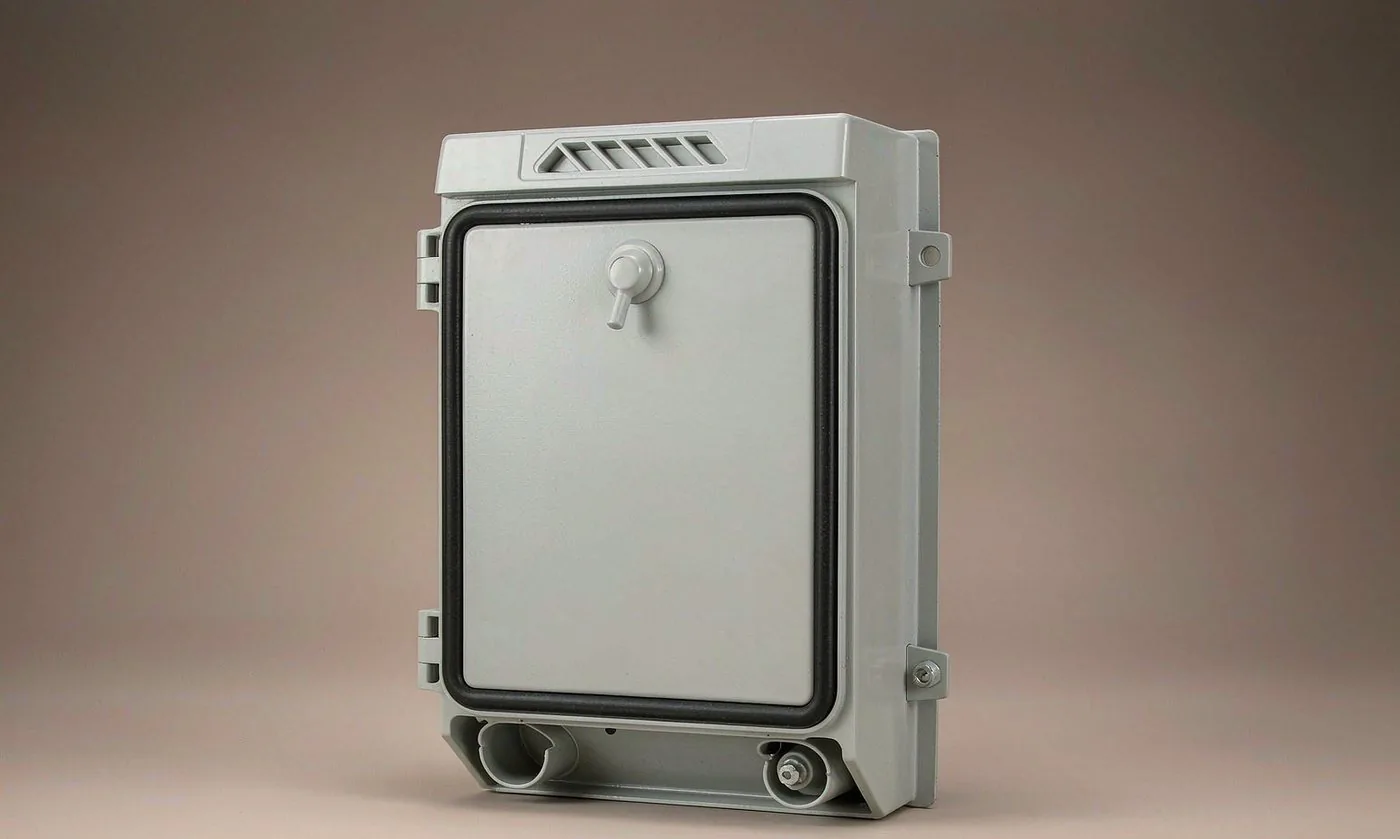
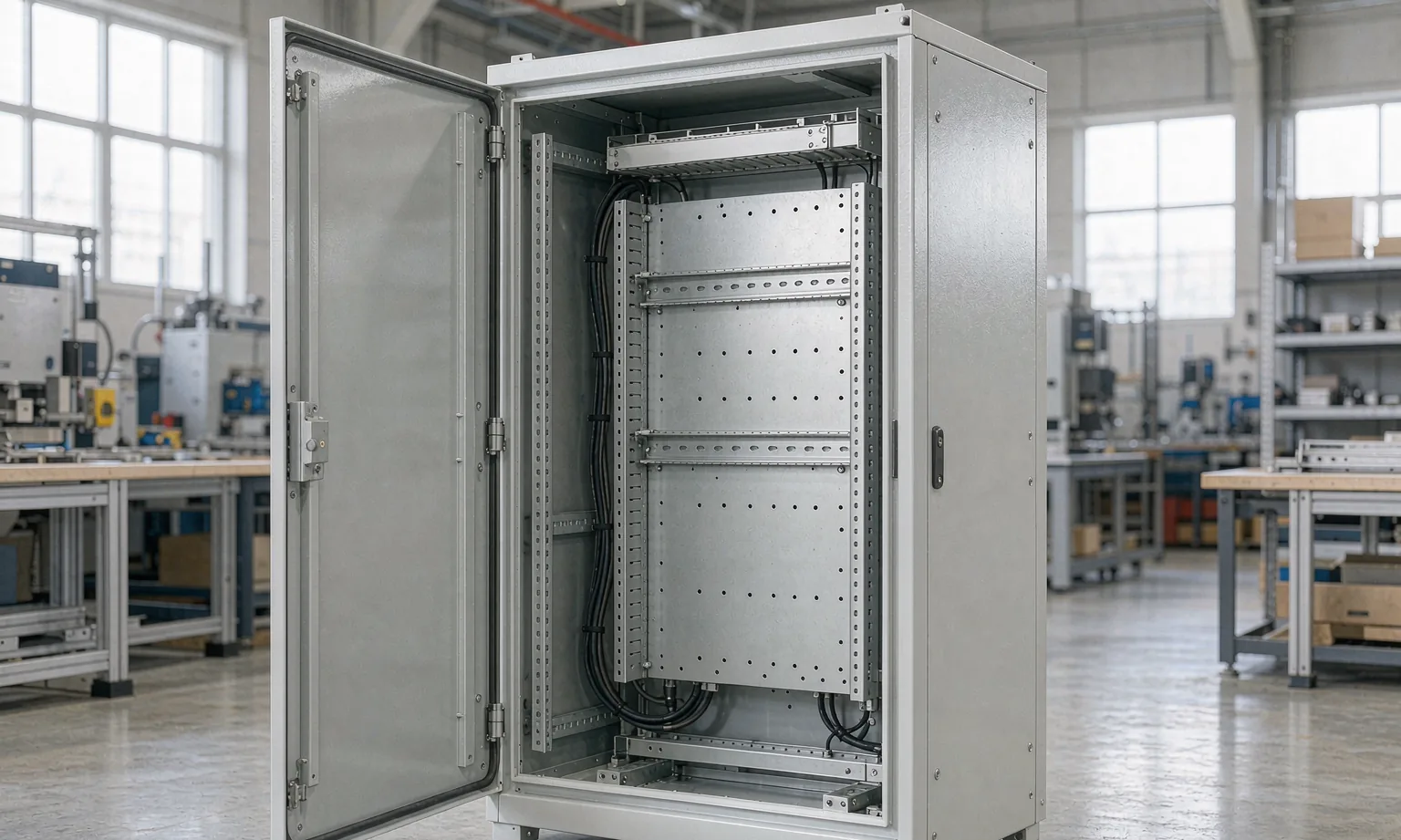
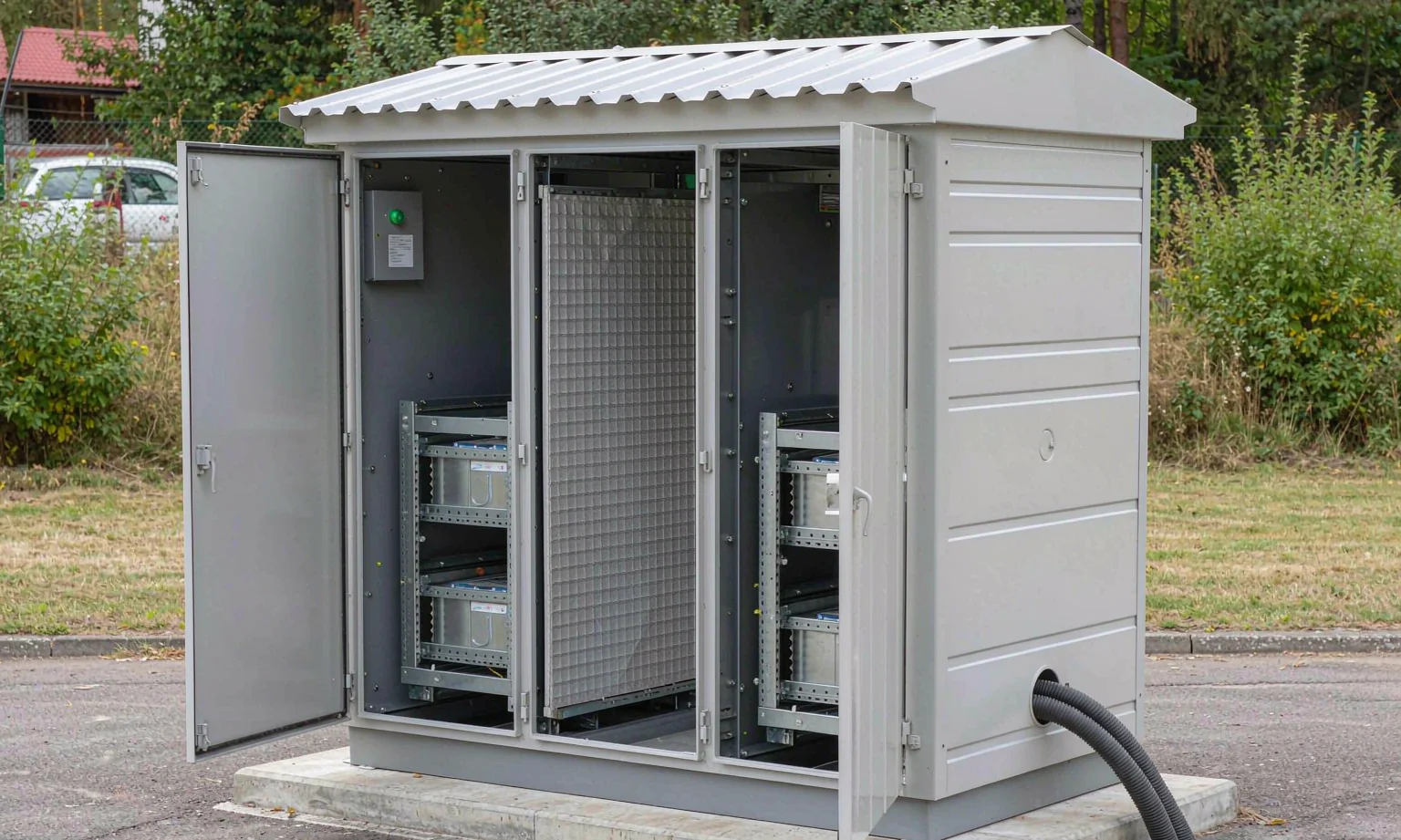
Representative photographs of the construction, interfaces and installation context for this product family.
Specifications at a Glance
| Parameter | Typical Specification |
|---|---|
| Typical unit | Battery cabinet, power supply cabinet, UPS cabinet, rectifier cabinet, field equipment housing |
| Mounting | Pad-mounted, plinth, pole-mounted bracket, wall-mounted, skid for portable sets |
| Materials | SPCC, SGCC/SECC galvanized, SUS304 / 316L for coastal and chemical environments |
| Size envelope | Wall units from 400 × 500 × 250 mm; freestanding units up to 2000 × 1000 × 700 mm |
| Weather features | Sloped rain hood, drip edge, louvre with insect mesh, filtered fan panel, condensation drain |
| Sealing design | Continuous gasket channel, compression-limited door stop, sealed gland plate, IP54-IP65 by design |
| Security | Three-point latch, cam lock or padlockable handle, tamper-resistant hinge pins, internal door stop |
| Finish | Powder coat 80-100 µm in RAL7035 / RAL7032 / custom, zinc-plated internal parts |
| Representative lead time | Prototype 10-14 days; serial production 22-35 days depending on scope |
The parameters above are representative of typical projects in this category. Your drawing defines the final specification, and every quotation states the scope it covers.
Popular Configurations We Manufacture
Every size and option is customised to your drawing. Use a configuration below as a starting point for your enquiry.
Pad-Mounted Power Cabinet
Freestanding cabinet for batteries, rectifiers and UPS equipment at outdoor field installations.
| Typical size | 1200-2000 H × 600-1000 W × 450-700 D mm |
| Protection by design | IP54 / IP55 |
| Features | Rain hood, filtered vents, removable gland plate |
Pole and Wall-Mounted Power Boxes
Smaller weatherproof boxes for remote power, monitoring and communication equipment.
| Typical size | 300 × 400 × 200 to 600 × 800 × 350 mm |
| Mounting | Pole bracket or wall with stand-off rails |
| Protection by design | IP55 / IP65 |
Drop-In Replacement Cabinet Shells
Replacement bodies for existing field cabinets where the original shell has corroded.
| Input | Sample panel, photos, or dimensional sketch |
| Output | Drawing for confirmation before production |
| Material | Upgraded material options available |
Materials, Finishes & Customisation
Structure
| Cold-rolled steel SPCC | 1.5-2.5 mm — sheltered and inland sites |
| Galvanized steel SECC / SGCC | 1.2-2.0 mm — general outdoor use with cut-edge protection |
| Stainless steel SUS304 / 316L | 1.0-2.0 mm — coastal, marine and chemical environments |
Weather detailing
| Rain hood & drip edge | Formed from the same sheet, sloped away from the gasket line |
| Louvre banks | Pressed or welded louvres with removable insect mesh |
| Drainage | Bottom plate with drain points so water never pools inside the base |
Customisation
| Insulation | Internal liner panels and mounting points for thermal insulation when specified |
| Equipment rails | 19-inch or custom rails, DIN rail brackets, mounting plate with adjustable pitch |
| Cable entry | Bottom, side or rear entry, gland plates, brush seals, spare knockouts |
How This Product Moves Through the Workshop
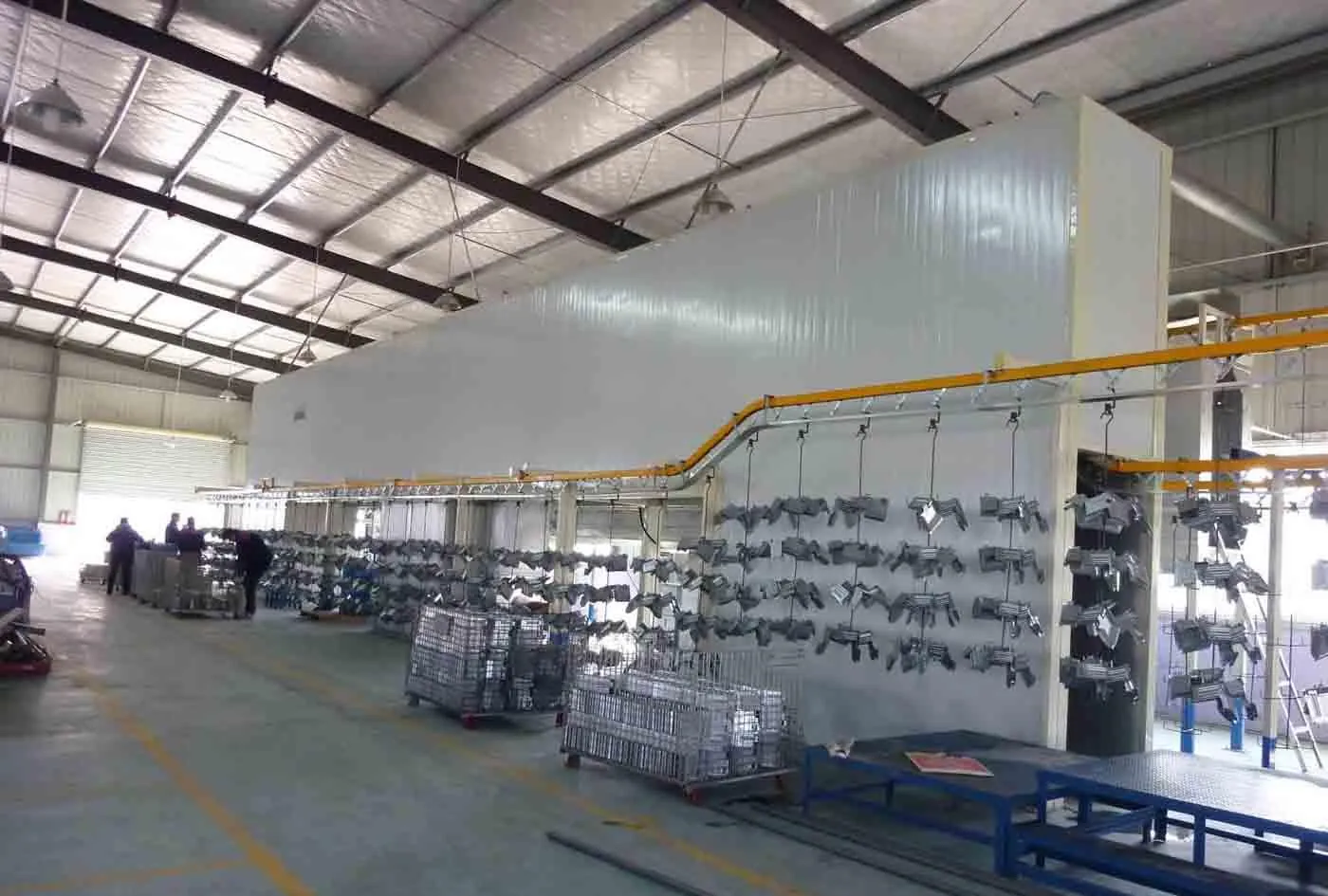
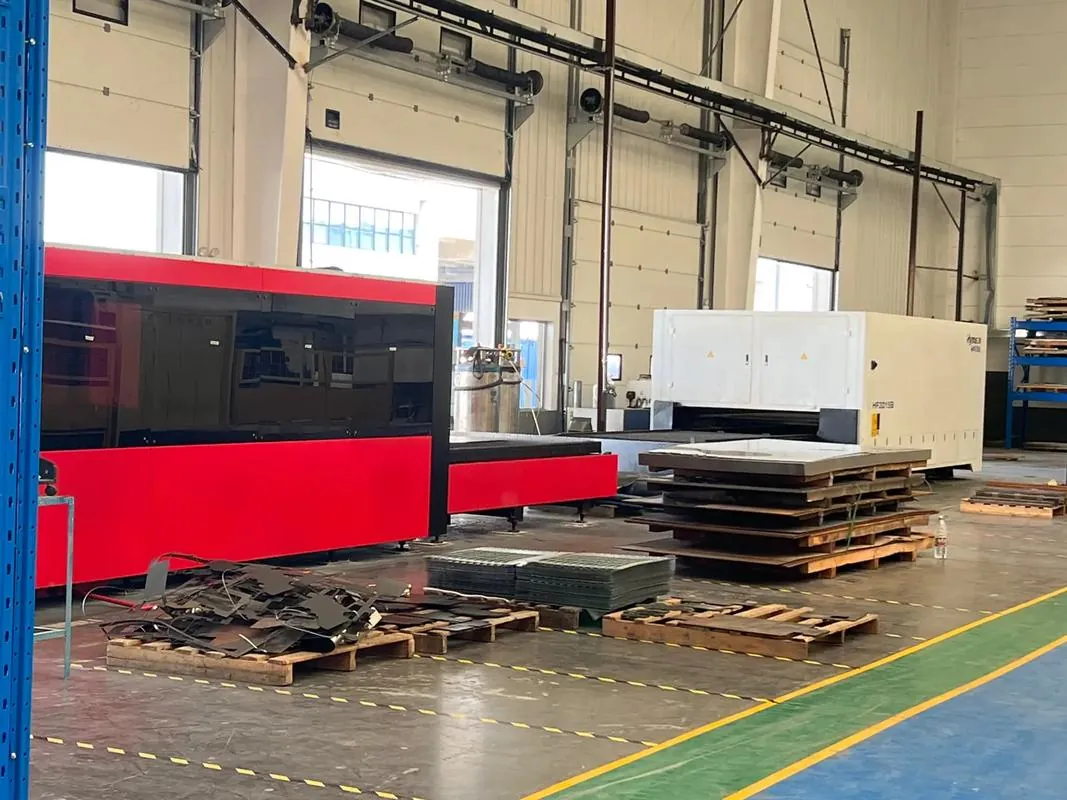
The panel set is laser cut first, with every louvre, gasket channel relief and cable opening produced in the flat pattern. CNC bending forms the drip edges and door returns, welding and grinding build the frame before powder coating. Sealing, hinge, latch and ventilation assemblies follow, then a fit check with door alignment and gasket compression recorded before export packing.
- Drawing review with DFM feedback before production release
- Fiber laser cutting of the complete flat pattern in one set-up
- CNC press-brake forming, welding and grinding
- Coating applied before gaskets, hardware and glass are fitted
- First-article and sample inspection recorded for each batch
Common Questions About This Product
The construction approach is the same; the difference is scope. Energy storage pages describe cabinets sized around battery modules and BESS architecture. This page covers the wider family of outdoor power cabinets — rectifiers, UPS, telecom power, monitoring and general field equipment — where access, mounting and equipment rails drive the design.
We design the gasket system, ventilation and cable entry to achieve the protection level your specification requires, typically IP54 to IP55 for outdoor cabinets with ventilation, and up to IP65 where a sealed envelope is acceptable. Any formal IP verification testing is arranged by you with your chosen laboratory.
Yes. Ventilation and weather protection are reconciled with louvre geometry, insect mesh, filtered fan panels and internal baffles that force air to change direction so driven rain cannot reach the equipment zone. The ventilation rate is calculated by your thermal engineer; we build the openings and filter interfaces.
Three measures: cut edges are deburred and coated, the bottom plate is designed with drain points so water cannot stand in the base, and the cabinet sits on a plinth or stand-off feet that keep the sheet above standing water. For aggressive ground conditions we recommend stainless or a galvanized base frame.
Yes. Send photographs and key dimensions, or ship us the original panel as a sample if convenient. We reconstruct the geometry in CAD, propose a material upgrade if corrosion is the failure mode, and return drawings for confirmation before producing the replacement.
Guides for This Application
Outdoor Battery Cabinet Fabrication and Weatherproofing
Roofs, drainage, venting and coatings that last outdoors
Read guideCorrosion Protection for Outdoor Power Cabinets
Corrosion categories, pre-treatment and coating systems
Read guideOutdoor Battery Cabinet Installation: Siting, Bases and Access
Bases, loads, clearances and cable entry on site
Read guideSend Us Your Drawing
Tell us the enclosure you need, the environment it works in and the quantity — we will return engineering feedback and a quotation, typically within 24 hours on working days.