Sheet Metal Material Selection Guide
Material choice is the decision that determines cost, corrosion behaviour, weight and how the part behaves in the workshop. It is worth ten minutes before the drawing is finalised.
Comparing the Four Materials We Fabricate Most
Nearly every enclosure and fabricated part we produce comes from one of four material families: cold-rolled steel, galvanized steel, stainless steel or aluminum. Each has a natural application. Cold-rolled steel is the default when the part will be coated and the environment is controlled. Galvanized steel adds zinc protection where the coating may be breached. Stainless steel answers corrosion and hygiene requirements. Aluminum answers weight and thermal requirements.
The comparison below is about trade-offs, not absolutes. Stainless is not simply better than steel — it costs more, forms differently, and is unnecessary where a coated cold-rolled part would perform for the life of the product. The useful question is which material meets the requirement at the lowest total cost, including processing.
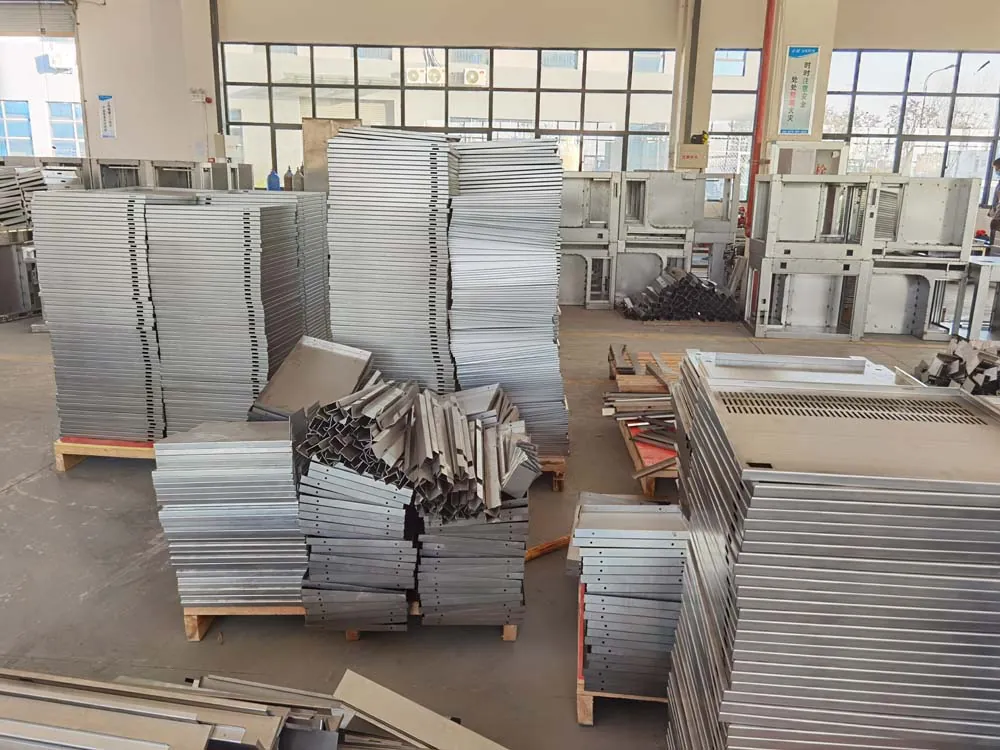
A Closer Look at This Capability
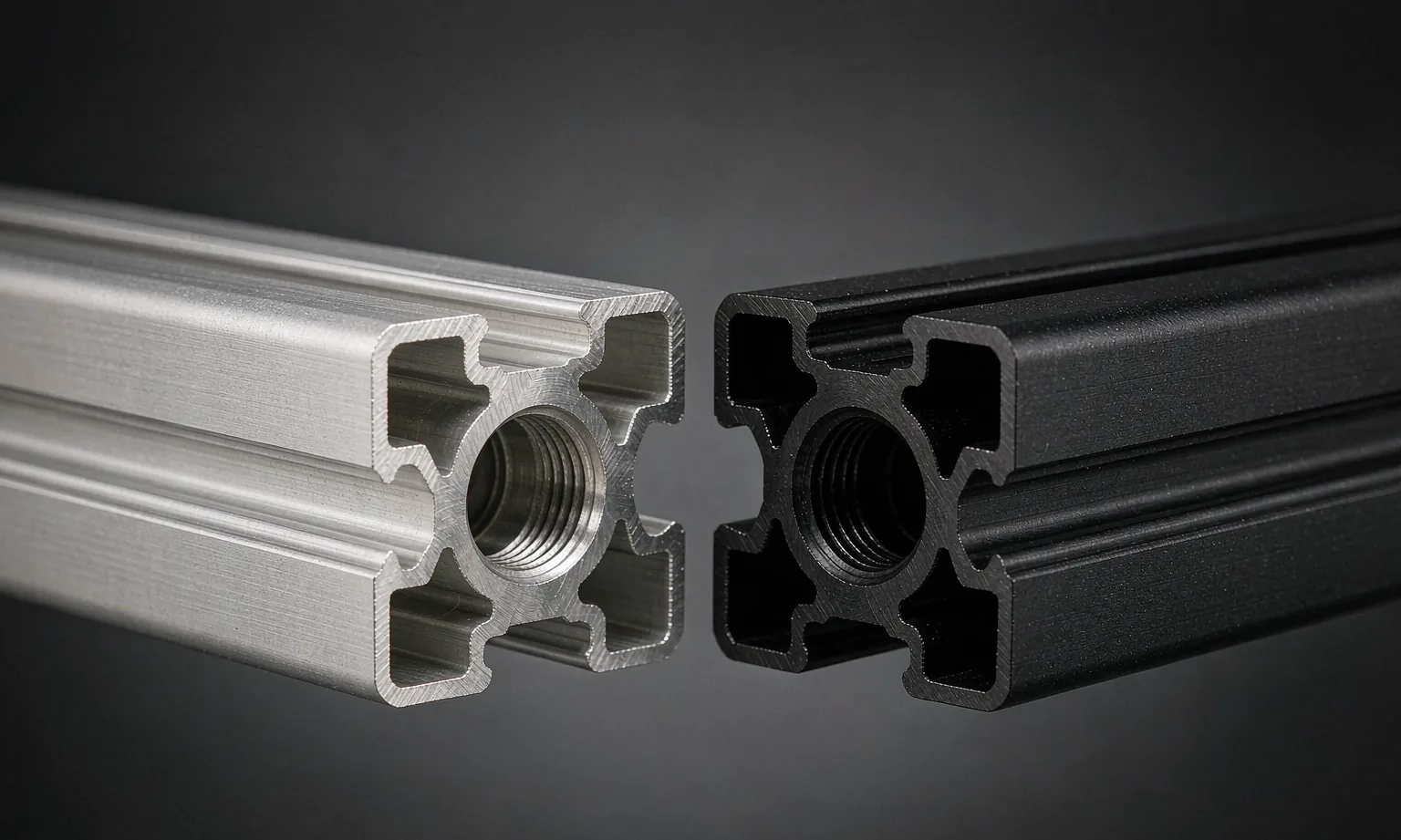
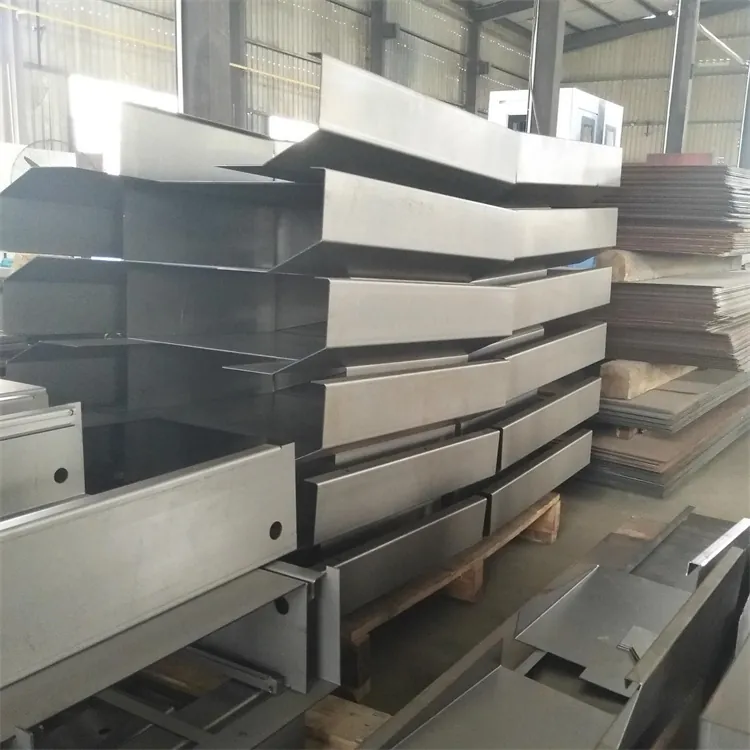
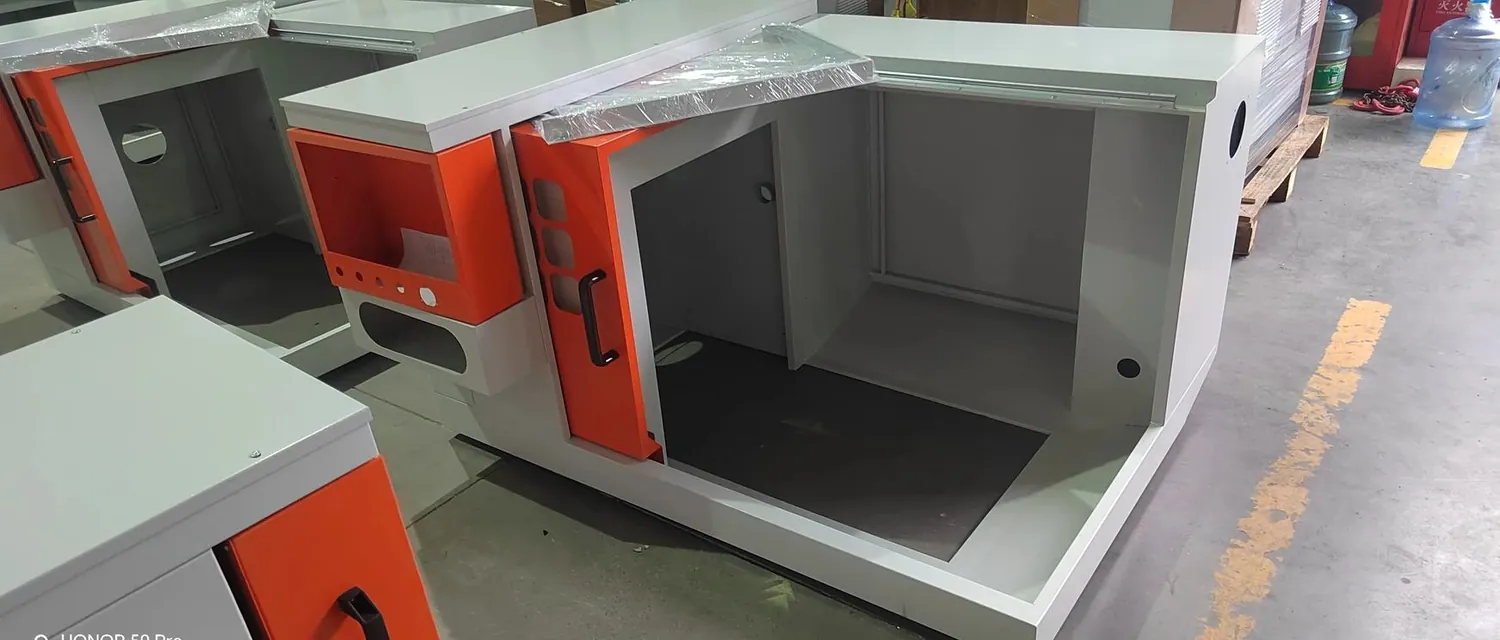
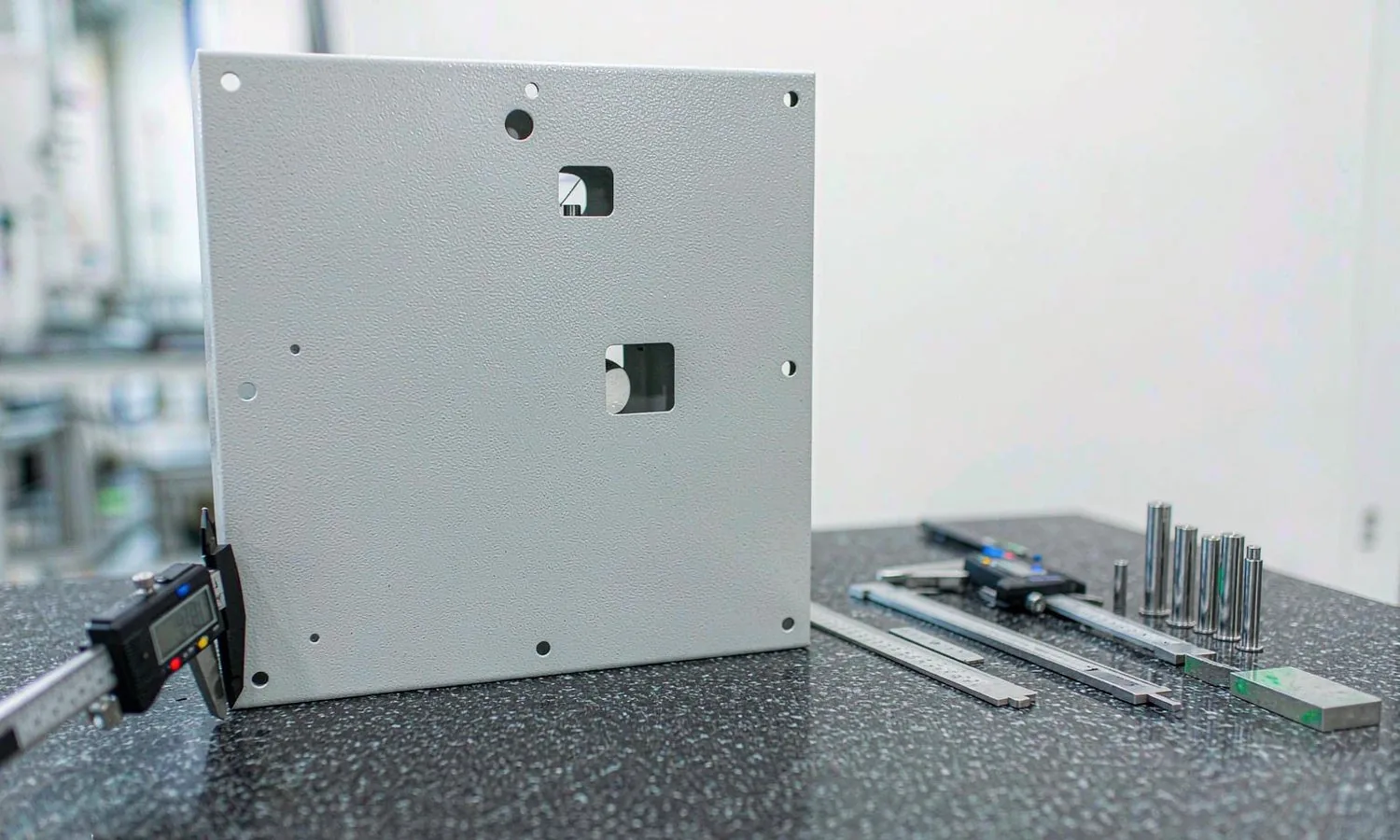
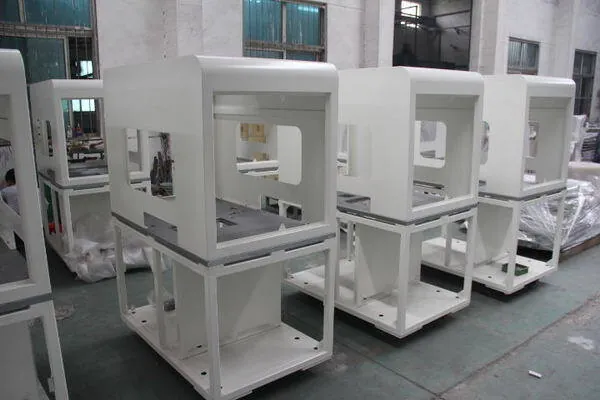
Representative photographs of the equipment, the process and the parts produced.

Specifications at a Glance
| Parameter | Typical Specification |
|---|---|
| Cold-rolled steel (SPCC) | Best coating adhesion and lowest material cost; requires coating for corrosion resistance; ideal for indoor enclosures and panels |
| Galvanized steel (SGCC / SECC) | Zinc protection including at cut edges; suitable for sheltered outdoor and humid use; welding requires process control |
| Stainless steel (304 / 316L) | Inherent corrosion resistance and cleanable surfaces; 316L for chloride and marine exposure; higher material and processing cost |
| Aluminum (5052 / 6061) | Lightweight with good corrosion resistance and thermal behaviour; needs larger bend radii than steel; anodising available |
| Strength and weight | Steel offers the highest stiffness per unit cost; aluminum gives the lowest weight for a given stiffness requirement |
| Forming behaviour | Cold-rolled steel forms predictably; galvanized needs coating care at bends; stainless work-hardens and needs matched tooling; aluminum needs larger radii |
| Joining | Carbon steel MIG and spot welding; stainless TIG with low heat input; galvanized requires fume control and weld restoration; aluminum TIG with dedicated consumables |
| Finishing cost | Powder coating is the standard route for steel; stainless can be supplied finished with little or no coating; aluminum can be anodised or coated |
The parameters above are representative of typical work in this category. Your drawing defines the final specification, and every quotation states the scope it covers.
What We Do in This Area
Every job is customised to your drawing. Use these categories as a starting point for your enquiry.
Cold-Rolled Steel with Powder Coating
When the environment is controlled and the part will be coated, cold-rolled steel gives the lowest total cost with reliable performance.
| Corrosion | From coating |
| Weight | Moderate to high |
| Finishing | Powder coat |
Galvanized or Stainless Steel
Galvanized steel protects itself at damaged edges; stainless steel removes the dependence on coating entirely for aggressive environments.
| Galvanized | Zinc protection |
| Stainless | Inherent resistance |
| Choice by | Environment |
Aluminum
For weight-critical equipment, aluminum cuts mass substantially, with finish and radius constraints planned into the design.
| Weight | Lowest |
| Corrosion | Good |
| Finish | Anodise or coat |
Capability, Tolerances & Documentation
Compared on corrosion
| SPCC | Needs coating |
| SGCC / SECC | Zinc protection |
| 304 | Good, general |
| 316L | Chloride and marine |
Compared on processing
| SPCC | Predictable forming |
| Galvanized | Weld process control |
| Stainless | TIG, low heat input |
| Aluminum | Larger bend radii |
Compared on finishing
| Steel | Powder coat any RAL |
| Galvanized | Pre-treatment differs |
| Stainless | Brushed or sanitary |
| Aluminum | Anodise or coat |
Where This Fits in the Production Route
Selection starts with four questions: what is the service environment, what loads does the part carry, what does it weigh, and what does the finish have to achieve. Those answers point to one or two candidate materials. We then confirm the practical points — bend radius, welding process, coating system and edge protection — before the drawing is released for cutting. Where a design has already chosen a material that does not match the stated environment, we raise it at DFM review, because changing material before cutting costs nothing and changing it after costs a batch.
- Drawing review with DFM feedback before production release
- Fiber laser cutting of the complete flat pattern in one set-up
- CNC press-brake forming, welding and grinding
- Coating applied before gaskets, hardware and glass are fitted
- First-article and sample inspection recorded for each batch
Common Questions
Galvanized steel where the coating may be damaged, or stainless steel where corrosion resistance has to be inherent. The right answer depends on exposure, expected service life and budget, so the environment is confirmed at quotation stage.
No. Stainless costs more and forms differently. Where a coated cold-rolled part will perform for the life of the product, stainless adds cost without adding benefit.
Aluminum gives the lowest weight, with the trade-off of larger bend radii, different welding practice and a finish that shows handling marks more readily than coated steel.
Cold-rolled steel is the fastest and most predictable route. Galvanized steel adds weld process control, stainless adds finishing steps such as pickling and passivation, and aluminum adds handling requirements. All are quoted with the material in mind.
Yes. Send the model with the service environment and the loads, and we will return a material recommendation with the process implications for each option.
We hold the common grades and thicknesses and buy mill stock for specific specifications. Availability is confirmed at quotation stage for your chosen material and gauge.
Send Us Your Drawing
Tell us what you need made, the environment it works in and the quantity — we will return engineering feedback and a quotation, typically within 24 hours on working days.