Solar Mounting Brackets, Rails & Racking Components
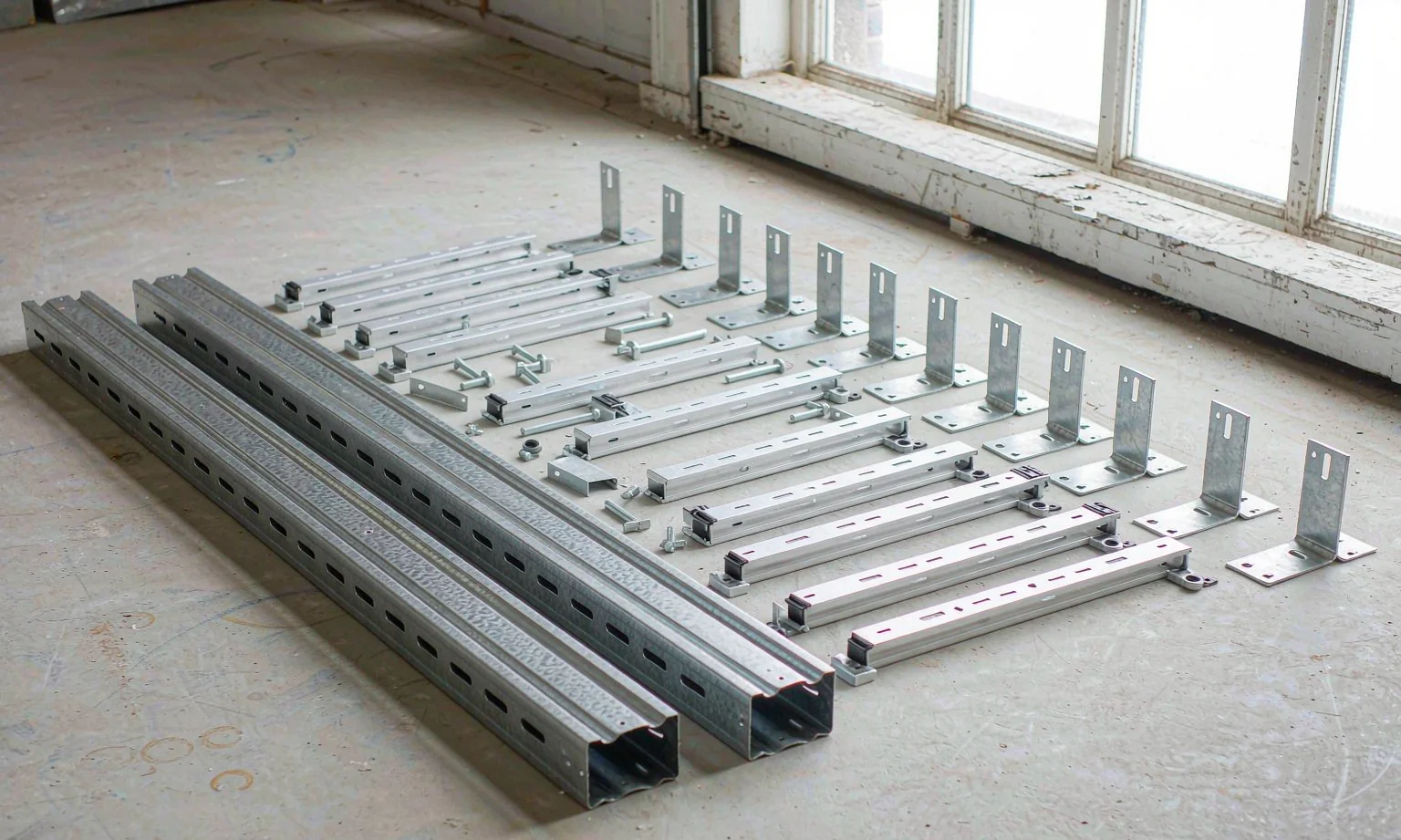
The fabricated steel and aluminium that carries a PV array — rails, purlins, base plates, mid and end clamps, roof hooks and frame connectors — produced to your drawing so hole patterns repeat across every row and the array goes up without re-drilling on site.
What Actually Holds a PV Array Together
A photovoltaic array is judged on the modules, but it stands on the mounting structure. The parts that decide whether an install goes smoothly are the ones with the least margin for error: a rail whose slot spacing does not match the clamp, a base plate whose hole pattern drifts by a millimetre across a row, or a hook that arrives without the coating the corrosion class requires.
We fabricate those components to your drawing — rails, purlins, brackets, clamps, base plates and connectors — in the material and coating your site demands. Holes are produced from one nested program so a pallet of rails is interchangeable, and we state the scope exactly: we make the metal to your specification, while the structural design, load calculation and wind or snow verification remain with you or your engineer.
Closer Look at This Enclosure Type
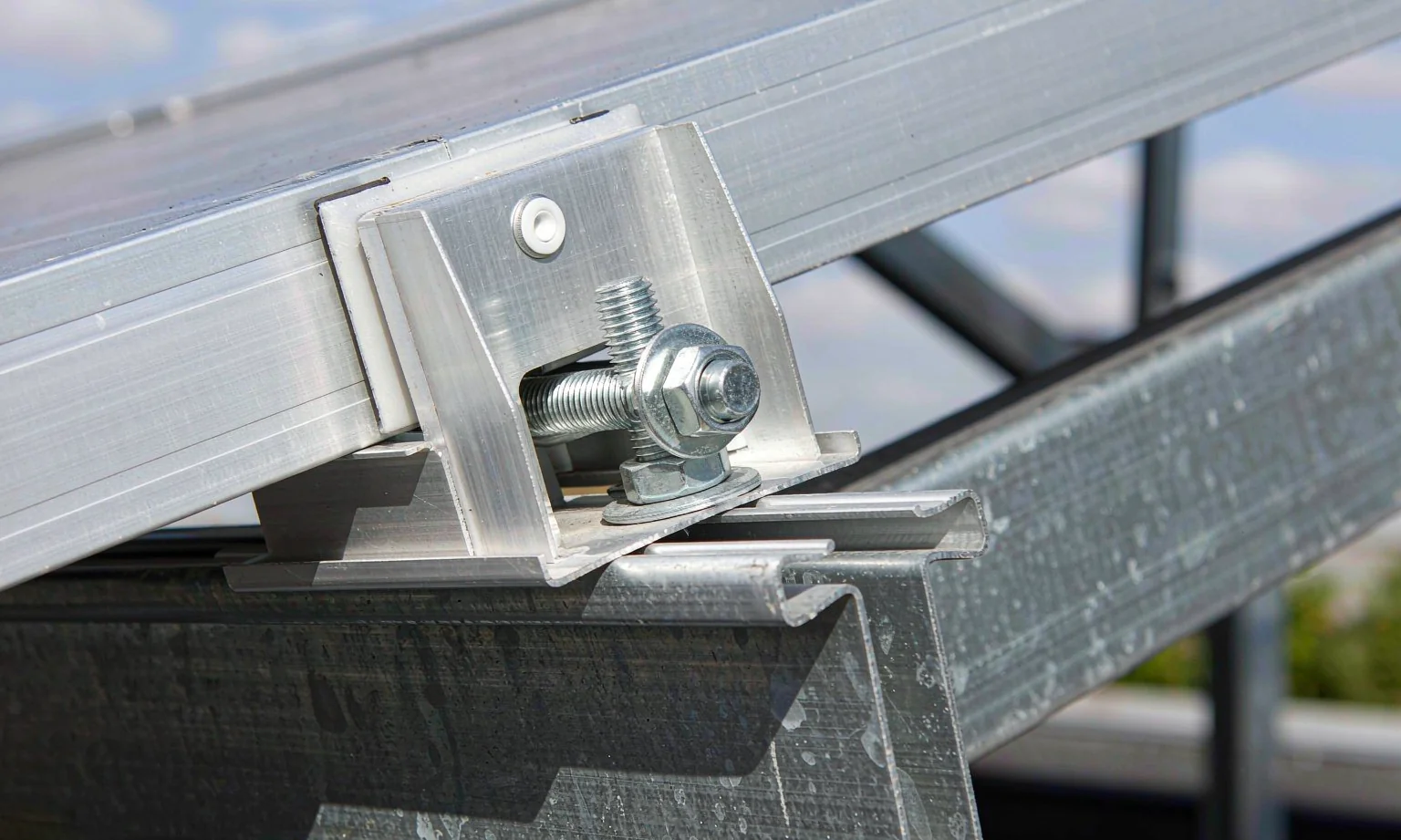
Representative photographs of the construction, interfaces and installation context for this product family.
Specifications at a Glance
| Parameter | Typical Specification |
|---|---|
| Typical parts | Mounting rails and purlins, base plates, mid clamps, end clamps, roof hooks, tile brackets, frame connectors, carport and ground-mount brackets |
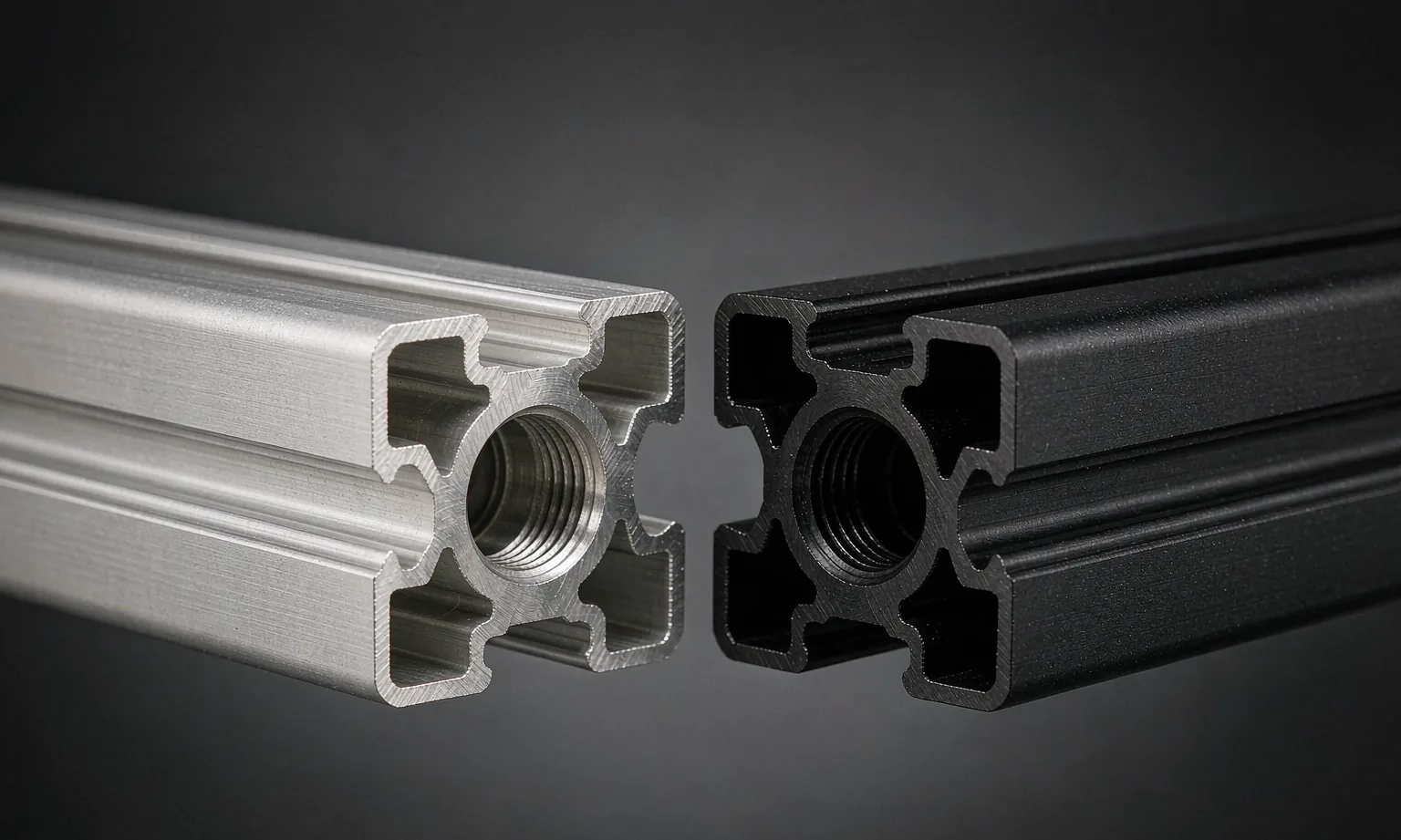
| Materials | Hot-dip galvanized mild steel, ZAM (zinc-aluminium-magnesium) coated steel, pre-galvanized SGCC, aluminium 6005-T5 and 6063-T5 |
| Thickness range | Steel 1.0–4.0 mm typical; base plates and pedestals up to 8.0 mm; aluminium profiles 1.2–3.0 mm |
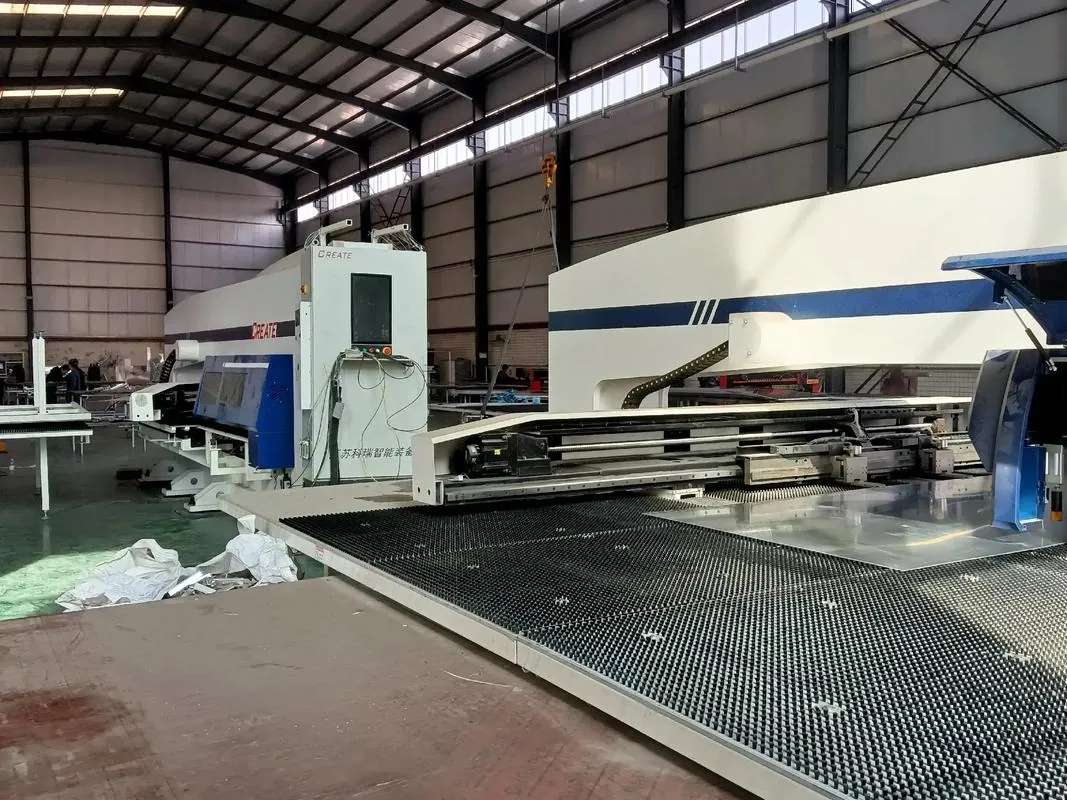
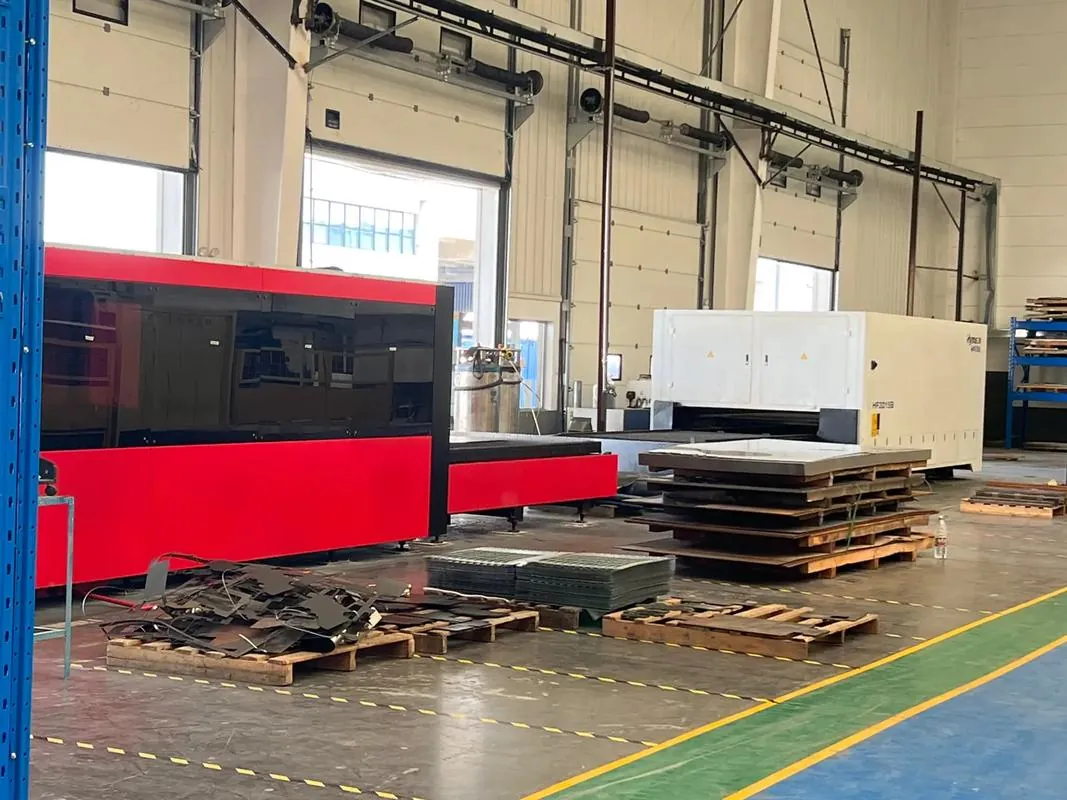
| Cutting & forming | Fiber laser cutting up to 3000 × 1500 mm sheets, press-brake forming, punching of slot and hole patterns |
| Tolerance | ±0.15 mm hole-to-hole across a rail run; tighter on request for clamped interfaces |
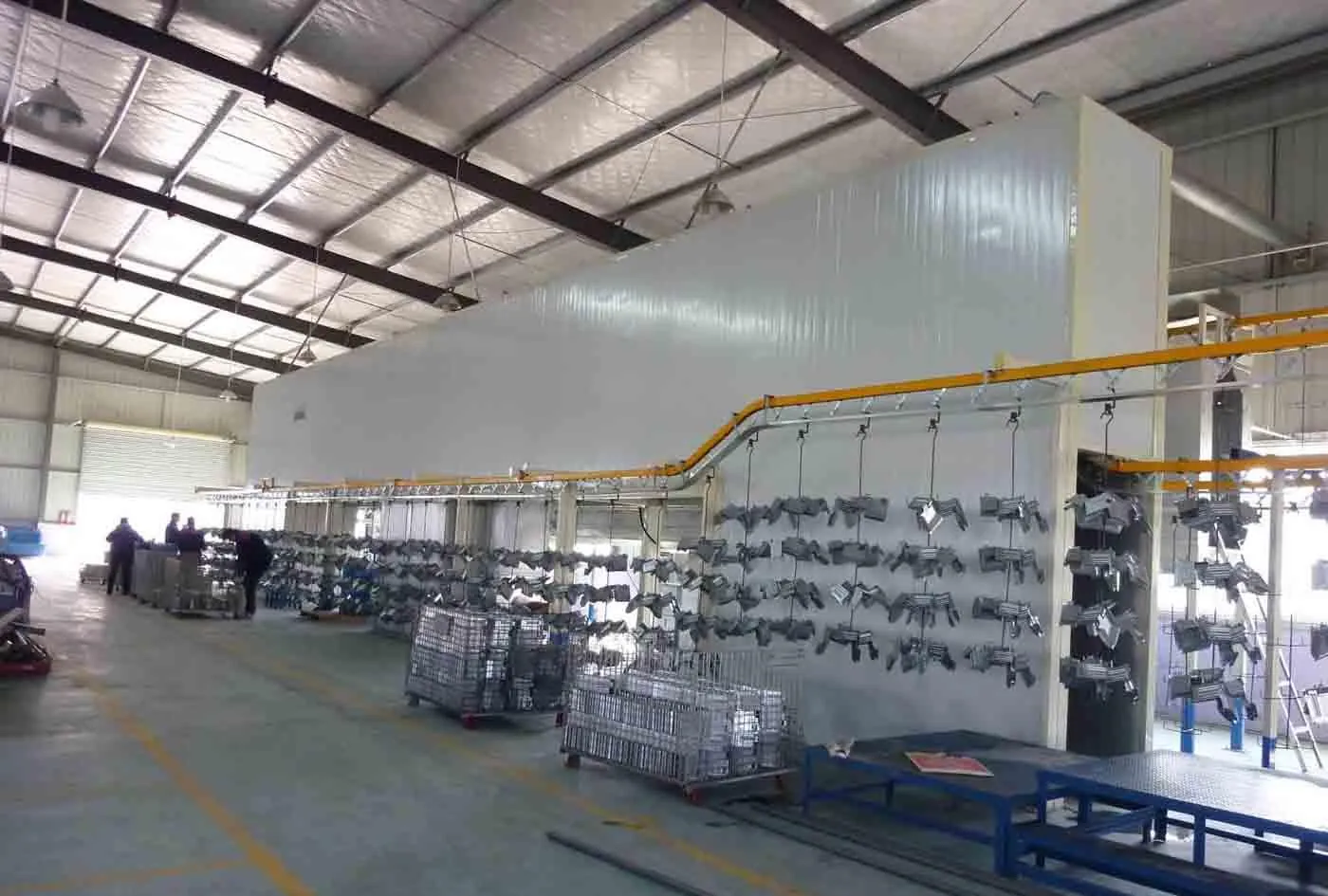
| Coatings | Hot-dip galvanizing to the thickness your class requires, ZAM pre-coat retained on cut edges, powder coating over pre-treatment, anodizing through a qualified partner |
| Fixings | Pressed studs and nuts, or drilled and tapped holes; loose fasteners can be included and kitted by position |
| Corrosion classes | Parts produced for C3 to C5 / coastal and high-humidity classes when specified on the drawing |
| Marking | Part numbers etched or labelled per position; rails bundled by drawing reference |
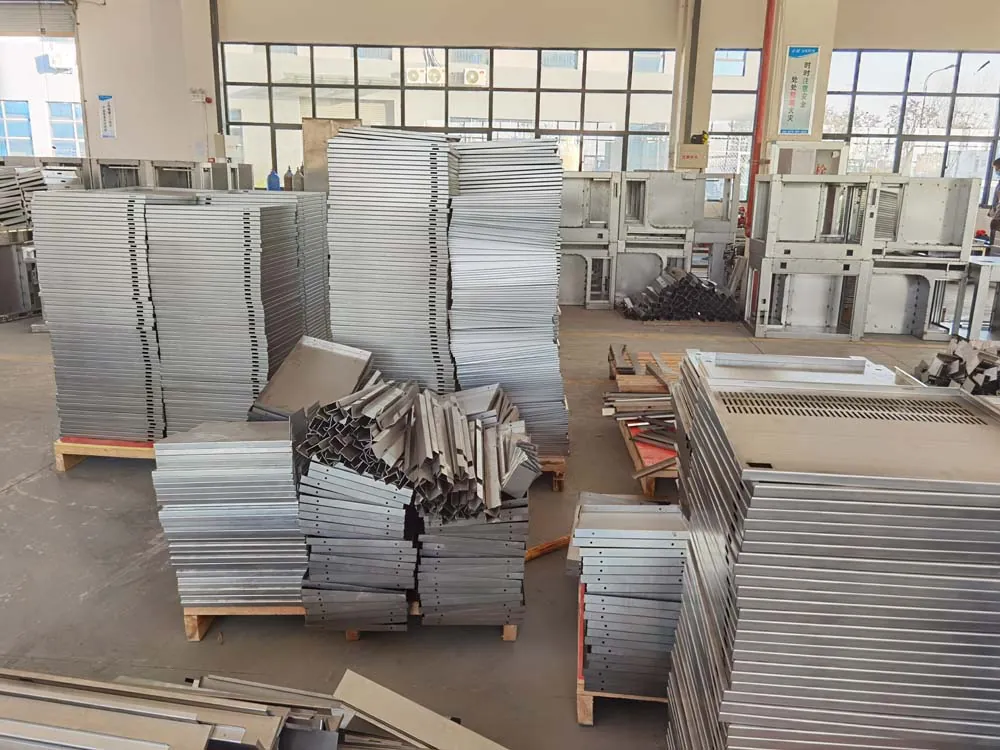
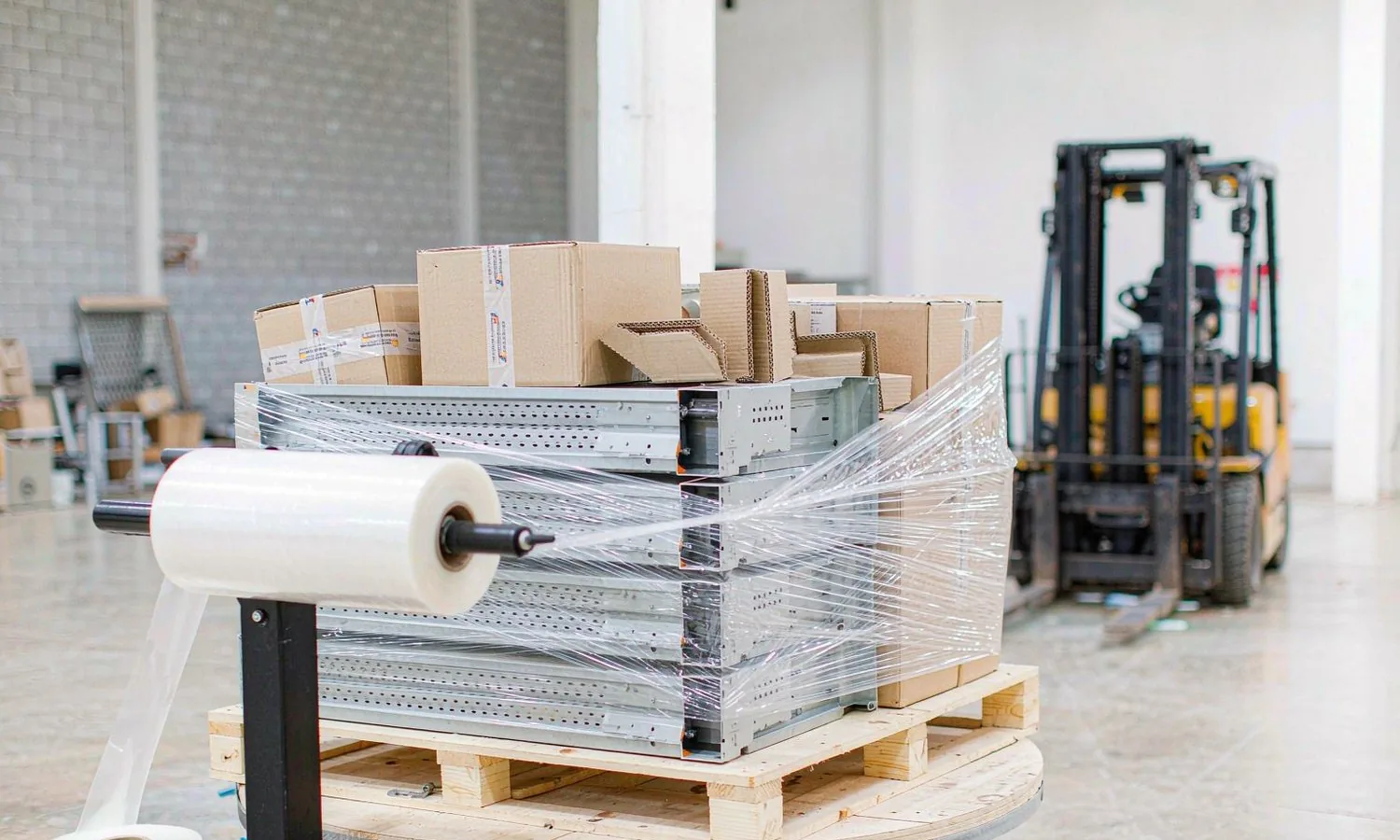
| Packing | Bundled and palletised by position with edge protection, sized for container loading |
The parameters above are representative of typical projects in this category. Your drawing defines the final specification, and every quotation states the scope it covers.
Popular Configurations We Manufacture
Every size and option is customised to your drawing. Use a configuration below as a starting point for your enquiry.
Mounting Rails, Purlins & Base Plates
The straight, hole-patterned members that carry the module rows.
| Material | Hot-dip galvanized steel, ZAM, aluminium |
| Hole pattern | Slots and holes cut to your clamp drawing |
| Forming | Return flanges and stiffening where spans require |
Mid Clamps, End Clamps & Hooks
The small parts that grip the module frame and tie it to the rail.
| Material | Aluminium 6005-T5 / 6063-T5, stainless where specified |
| Tolerance | Clamping faces kept square to the rail |
| Coating | Anodized or mill finish per drawing |
Brackets, Connectors & Support Structures
Brackets and connectors for ground-mount, carport and elevated arrays.
| Material | Hot-dip galvanized steel to your corrosion class |
| Thickness | Up to 8.0 mm on pedestals and base plates |
| Design | Structural calculation by your engineer; we make to drawing |
Materials, Finishes & Customisation
Material choice
| Hot-dip galvanized steel | 1.0–4.0 mm — the default for long-life outdoor structures |
| ZAM coated steel | 1.0–3.0 mm — self-healing cut edges for coastal or high-humidity sites |
| Aluminium 6005/6063 | 1.2–3.0 mm — light rails and clamps where weight matters |
Coatings & cut-edge protection
| Hot-dip galvanizing | Applied to the coating thickness class your project specifies |
| ZAM pre-coat | Retained on the formed part; cut edges stay protected without re-coating |
| Powder coating | Applied over pre-treatment where colour or a specific finish is required |
Assembly & kitting
| Components | Rails, brackets and clamps supplied as separate parts |
| Pre-assembly | Brackets supplied welded or bolted as sub-assemblies where that saves site time |
| Palletising | Bundled and labelled by row or drawing reference for fast installation |
How This Product Moves Through the Workshop
Your rail and bracket drawings are reviewed for hole spacing, slot direction and coating class before cutting, so interface dimensions are confirmed first. Flat patterns are nested and laser cut, rails and brackets are formed, slots and holes are punched or cut in the same program that produced the pattern, then parts move to the coating stage that matches the site. Bundles are checked against the drawing for hole-to-hole position before packing, and parts are banded and labelled by position for installation.
- Drawing review with DFM feedback before production release
- Fiber laser cutting of the complete flat pattern in one set-up
- CNC press-brake forming, welding and grinding
- Coating applied before gaskets, hardware and glass are fitted
- First-article and sample inspection recorded for each batch
Common Questions About This Product
No. We are the fabricator: we produce the metal to your drawing and can give DFM feedback on manufacturability, but the structural design, load calculation and wind or snow verification stay with you or your structural engineer. That boundary is stated on every quotation.
For aggressive sites we usually see ZAM coated steel or hot-dip galvanized parts to a higher coating class, with stainless fasteners. Tell us the corrosion category or the site environment and we will fabricate to the corresponding specification on your drawing.
If the interface is defined on the drawing, yes — we cut each rail's slot and hole pattern from the same nested program, so a pallet of rails is interchangeable and matches the clamp drawing. Send the rail and clamp drawings together so we can check the interfaces before cutting.
Fiber laser cutting covers sheets up to 3000 × 1500 mm, with steel from 0.5 mm to 8.0 mm. Base plates and pedestals typically use the thicker end of that range, while rails and clamps use 1.0–3.0 mm.
Yes. We can press studs, tap holes and supply bolts, nuts and washers, kitted and labelled by position so installers open one bag per row. Where a fastener is a bought-in item on your specification, we can source it or leave it to you — your choice is recorded on the quotation.
Guides for This Application
Solar Inverter and Combiner Box Enclosure Fabrication
How PV inverter and combiner box enclosures are fabricated: wall-mount and floor-standing builds, heat paths,
Read guideCorrosion Protection for Outdoor Power Cabinets
Materials and coating systems for outdoor power cabinets: corrosion categories, pre-treatment, galvanising, po
Read guideAluminium or Steel for Inverter Enclosures?
Comparing aluminium and steel for PV inverter and combiner enclosures: weight, heat rejection, stiffness, corr
Read guideSend Us Your Drawing
Tell us the enclosure you need, the environment it works in and the quantity — we will return engineering feedback and a quotation, typically within 24 hours on working days.