CNC Machining and Secondary Operations
Fabrication gets a part to shape. Secondary operations make it usable — threads that take a screw, countersinks that sit flush, inserts that hold a panel, edges that do not cut the person assembling it.
Operations That Turn a Part into a Component
A fabricated panel is rarely the finished component. It needs tapped holes, countersunk holes for flush fasteners, milled slots, pressed-in studs or nuts, riveted sub-assemblies and deburred edges. Doing these as separate outsourced steps adds days and handoffs; doing them in-house keeps the part under one dimensional reference.
Secondary operations are planned with the fabrication route, not after it. Where a pressed insert needs a hole that is slightly different from a tapped hole, the laser program reflects that from the start. Where a milled slot has to line up with a formed flange, the reference is set before cutting.
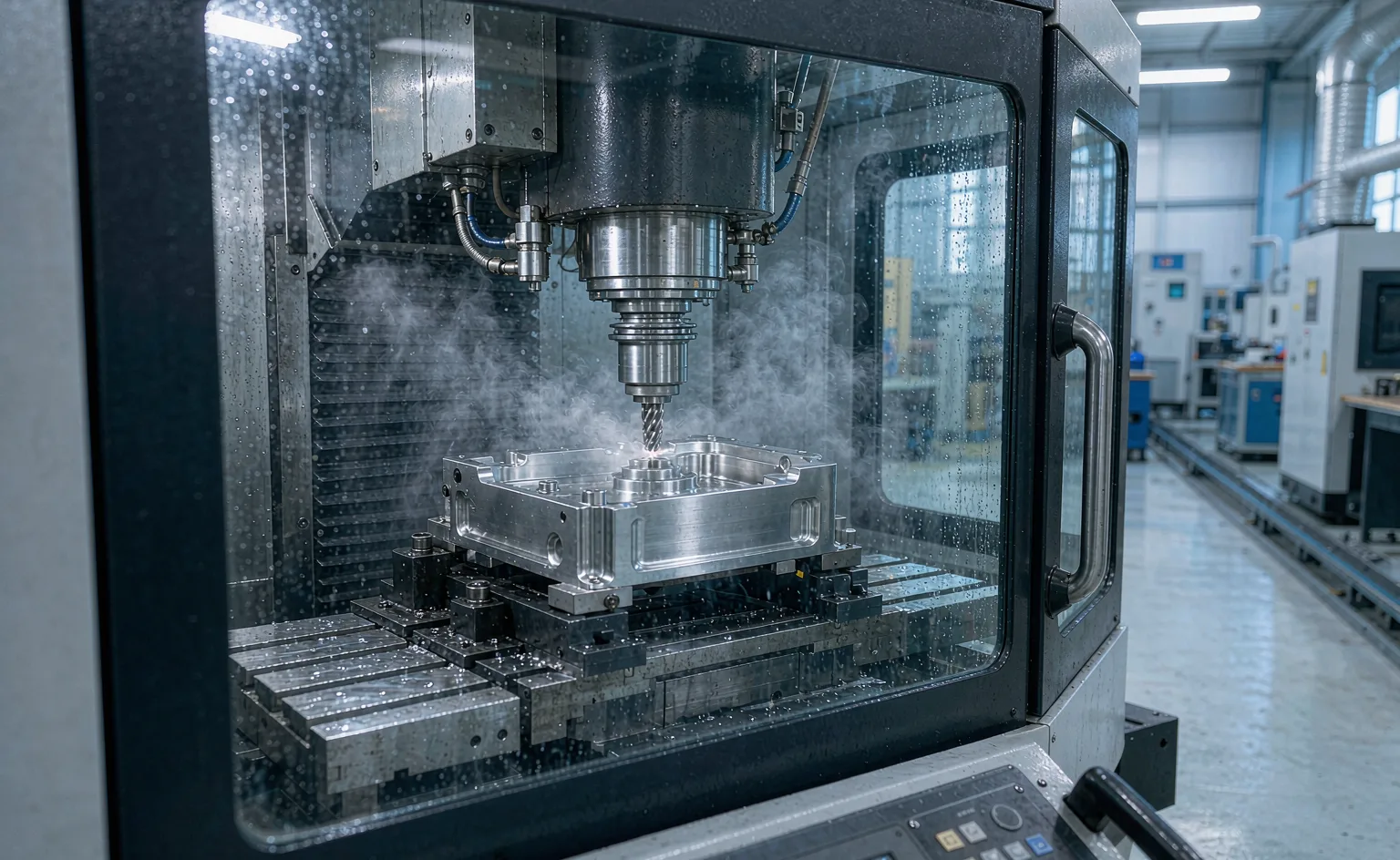
A Closer Look at This Capability
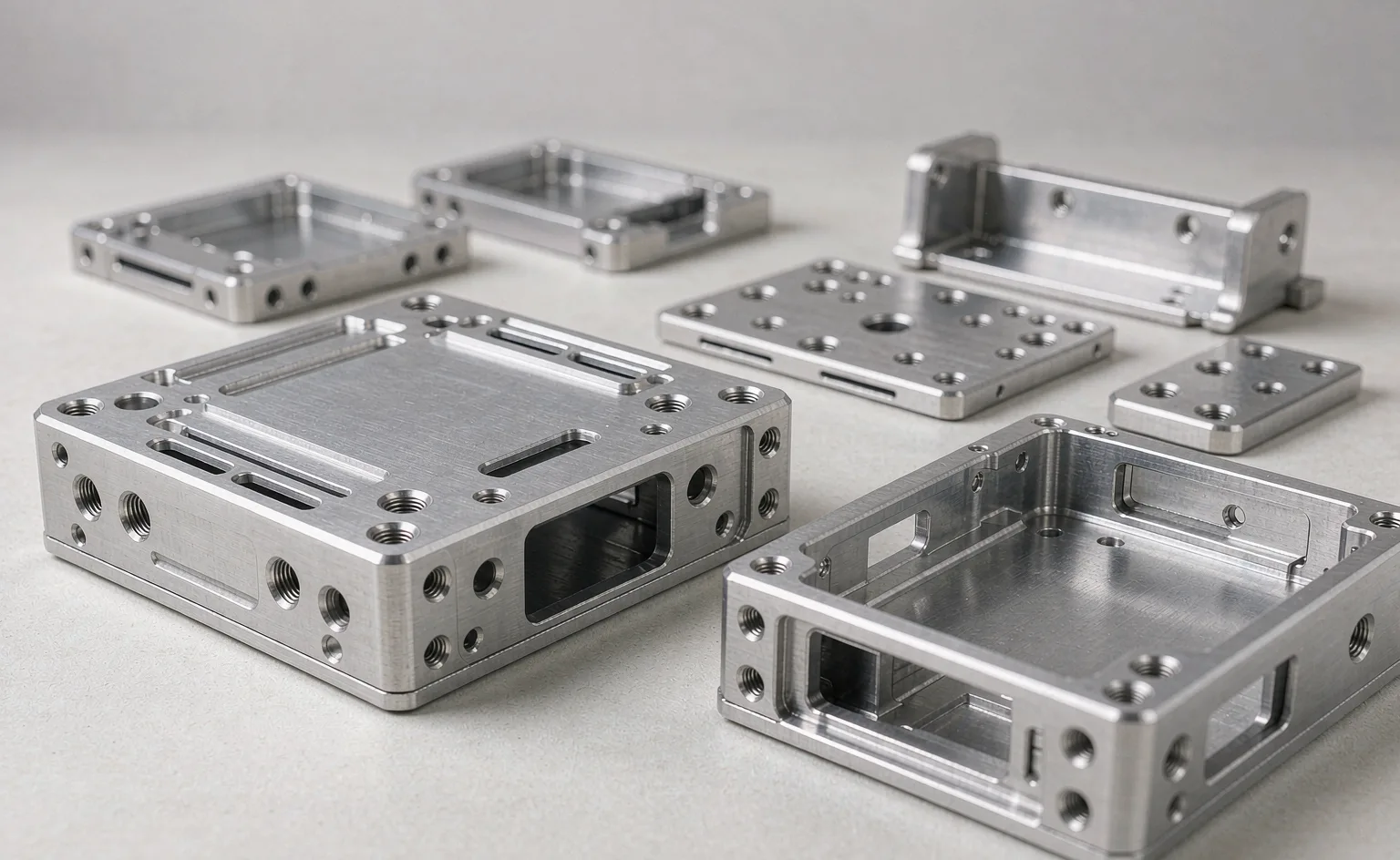
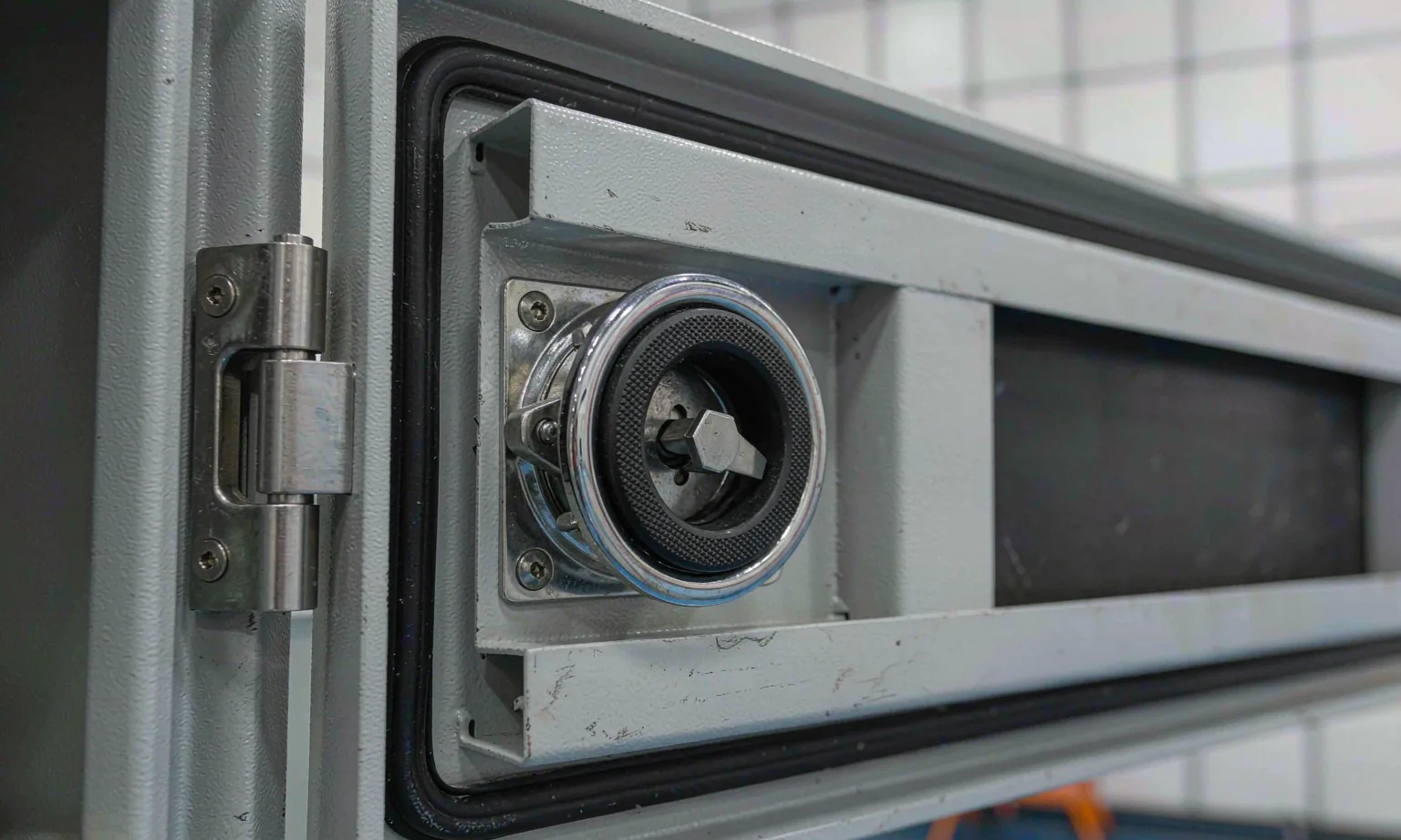
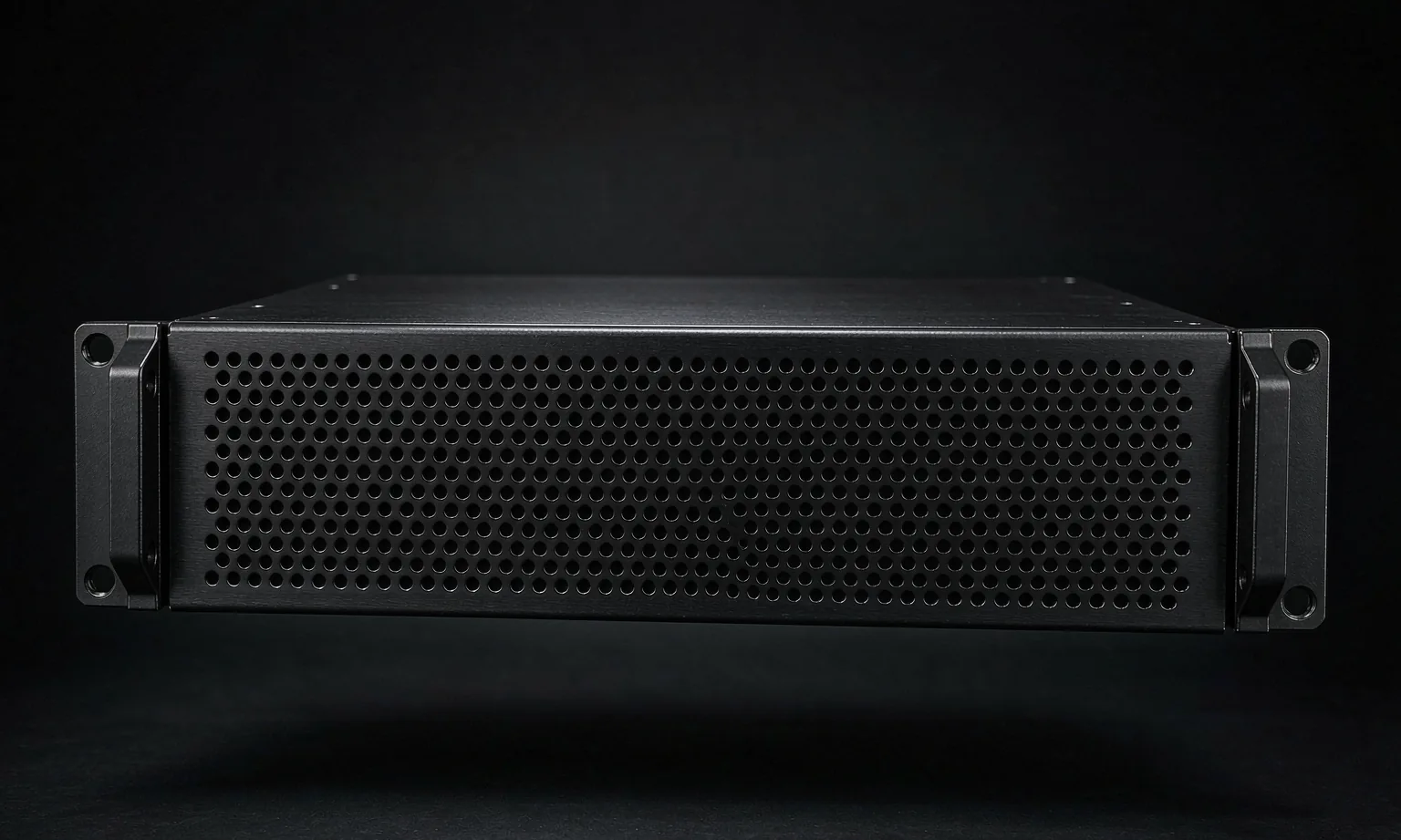
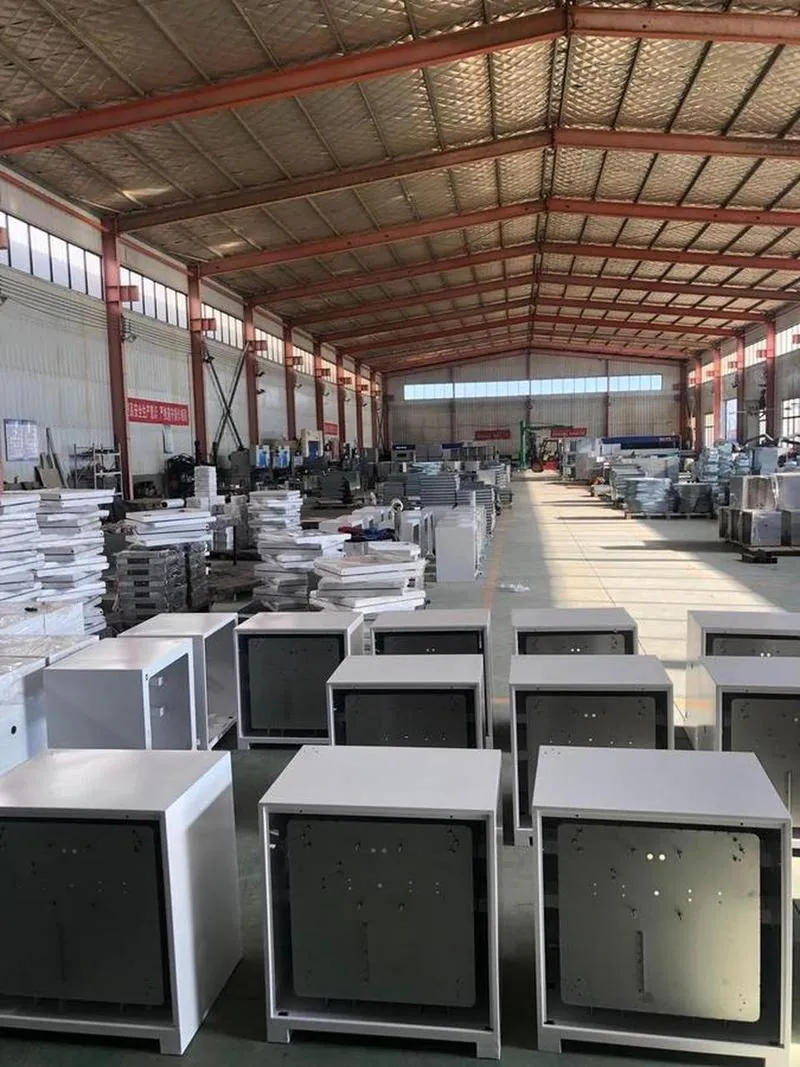
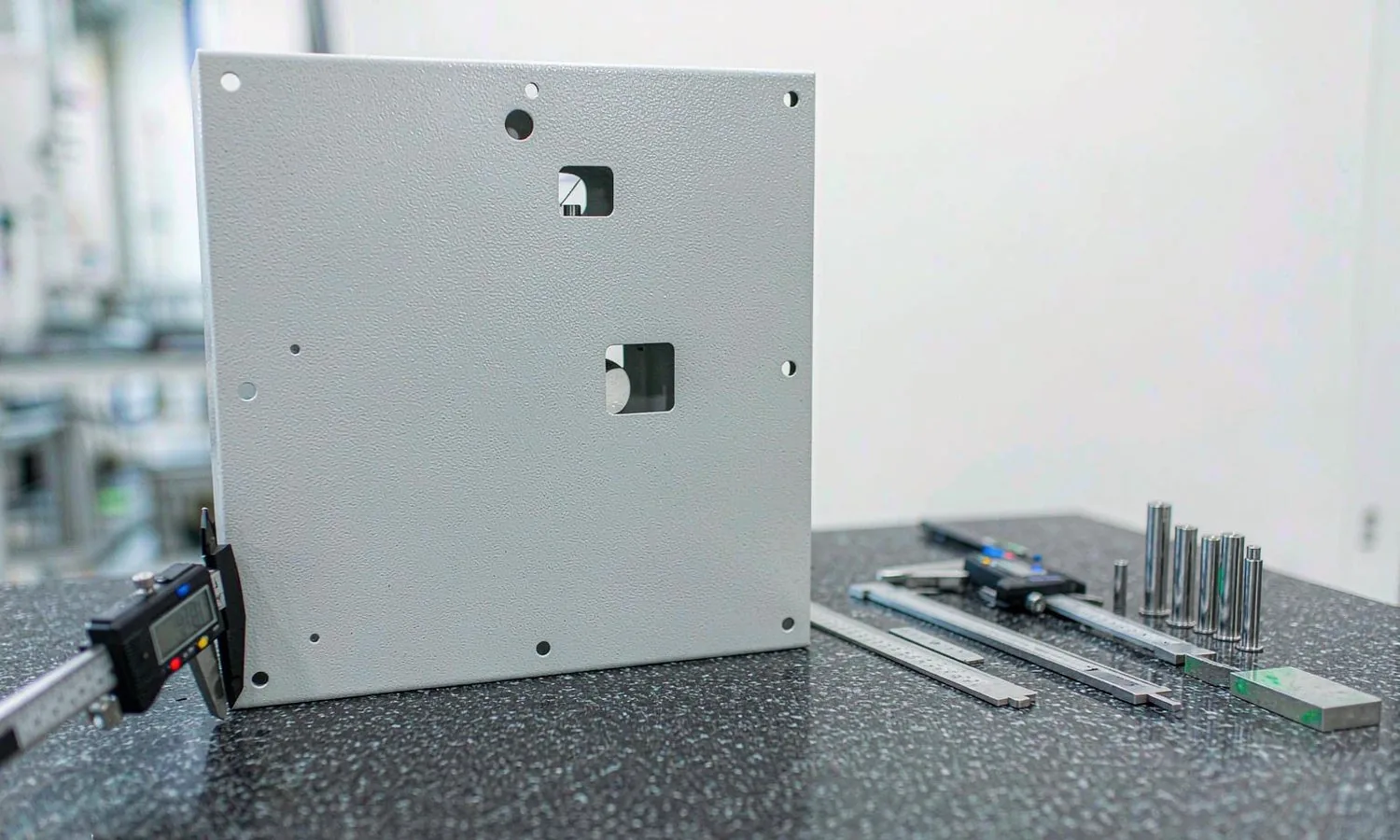
Representative photographs of the equipment, the process and the parts produced.
Specifications at a Glance
| Parameter | Typical Specification |
|---|---|
| Tapping | Metric and imperial threads in sheet metal and plate, with thread size matched to gauge |
| Countersinking | For flush and semi-flush fasteners, including flat-head screws and rivets |
| Pressed hardware | Self-clinching nuts, studs and standoffs pressed to the manufacturer specification |
| Riveting | Blind, solid and self-clinching rivets for permanent sub-assemblies |
| Milling and slotting | Slots, cut-outs and stepped features on fabricated parts, referenced to the formed part |
| Deburring | Hand and mechanical deburring so edges are safe to handle and take a coating |
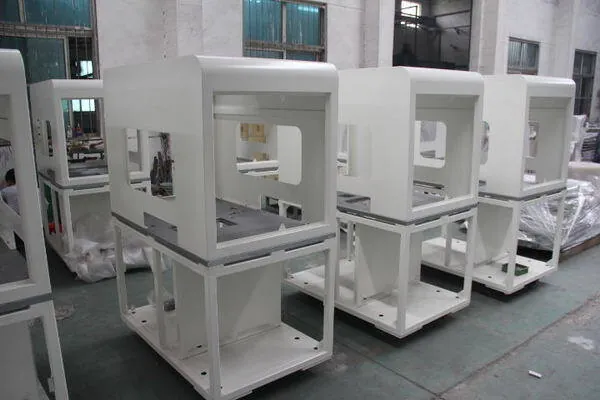
| Hardware assembly | Fitting hinges, locks, rails, gaskets and studs so the unit ships as one part |
| Inspection | Dimensional checks against the drawing, with a report on request |
The parameters above are representative of typical work in this category. Your drawing defines the final specification, and every quotation states the scope it covers.
What We Do in This Area
Every job is customised to your drawing. Use these categories as a starting point for your enquiry.
Tapped Holes and Threads
Tapped holes in panels and plates with the thread depth and pitch matched to the application.
| Threads | Metric and imperial |
| Material | Steel, stainless, aluminium |
| Key control | Thread size and depth |
Inserts, Studs and Standoffs
Self-clinching hardware pressed into the correct hole so a panel can be assembled and re-opened repeatedly.
| Types | Nuts, studs, standoffs |
| Key control | Hole size and press depth |
| Finish | Plated or plain |
Slots, Cut-outs and Milled Detail
Machined features referenced to the formed part so cut-outs align with flanges and mating panels.
| Operations | Mill, slot, counterbore |
| Key control | Position to datum |
| Typical use | Connector and seal openings |
Capability, Tolerances & Documentation
Secondary capability
| Tapping | Metric and imperial |
| Countersink | Flush fasteners |
| Pressed hardware | Nuts and studs |
| Riveting | Blind and solid |
Machining
| Milling | Slots and cut-outs |
| Counterbore | Stepped features |
| Reference | To formed part |
| Deburring | Hand and mechanical |
Assembly
| Hinges | Fitted |
| Locks | Fitted |
| Rails | Rack and DIN |
| Gaskets | Fitted |
Where This Fits in the Production Route
Secondary operations are planned with the fabrication route so the holes and features match from the beginning. Threaded and pressed features are placed in the laser or punch program, formed parts are machined against a datum that survives bending, and hardware is pressed or riveted after finishing where the finish would otherwise be damaged. The result is a part that arrives at your assembly line ready to be bolted on, rather than one that needs another supplier before it can be used.
- Drawing review with DFM feedback before production release
- Fiber laser cutting of the complete flat pattern in one set-up
- CNC press-brake forming, welding and grinding
- Coating applied before gaskets, hardware and glass are fitted
- First-article and sample inspection recorded for each batch
Common Questions
Yes. Self-clinching nuts, studs and standoffs are pressed into the correct hole sizing so the panel can be assembled and opened repeatedly without stripping.
Yes, metric and imperial, with the thread size and depth matched to the material gauge. Where the gauge is too thin for a reliable thread, we recommend a pressed insert instead.
Yes. Edges are deburred so they are safe to handle and take a coating properly. Sharp laser edges left undressed are the most common cause of coating pull-back at the edge.
Yes. Slots, cut-outs and stepped features are machined referenced to the formed part, so they line up with flanges and mating components.
Yes. We can fit hinges, locks, rails, gaskets and studs so the enclosure ships as a single assembled unit.
They are planned into the route, so they do not add a separate outsourcing cycle. Where an operation is unusual or needs a new fixture, it is flagged at quotation stage.
Send Us Your Drawing
Tell us what you need made, the environment it works in and the quantity — we will return engineering feedback and a quotation, typically within 24 hours on working days.