V-Grooving & Sharp-Corner Bending
When a folded edge has to read as a corner rather than a curve, the sheet is grooved before it is bent. V-grooving removes material along the bend line so the outside face closes to a sharp edge instead of a visible radius.
A Sharp Edge Is a Groove, Not a Bigger Machine
A press brake can only bend the material it is given. If the outside of a fold has to look like a crisp corner — on a stainless cabinet door, a reception panel, a fascia or a frame — the radius has to be removed before the bend, not argued with during it.
V-grooving cuts a V-shaped channel along the fold line, leaving a thin web of material that closes cleanly when the part is bent. The result is a sharp outside corner with no open gap, no visible radius, and no need to weld and polish the edge afterwards.

A Closer Look at This Capability
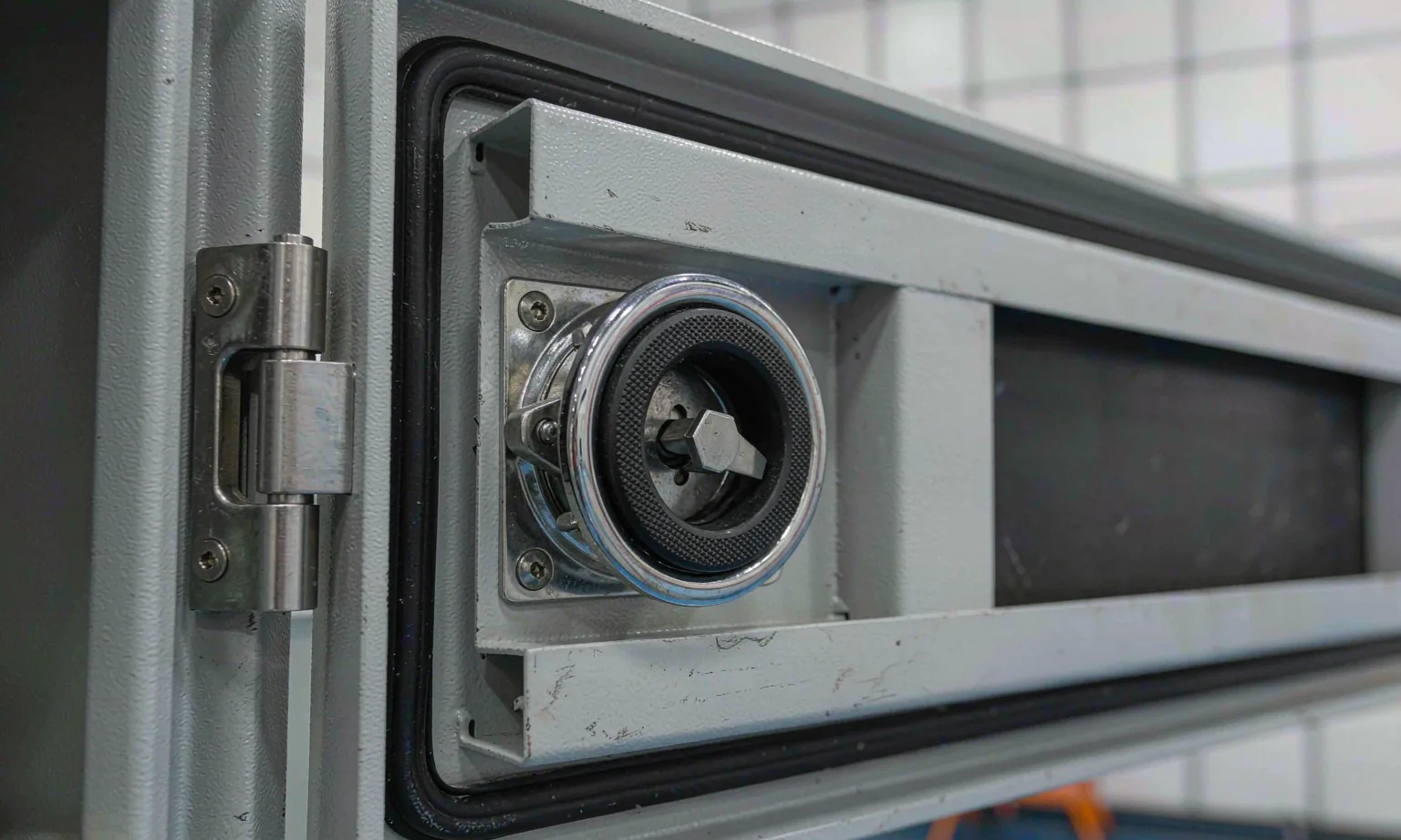
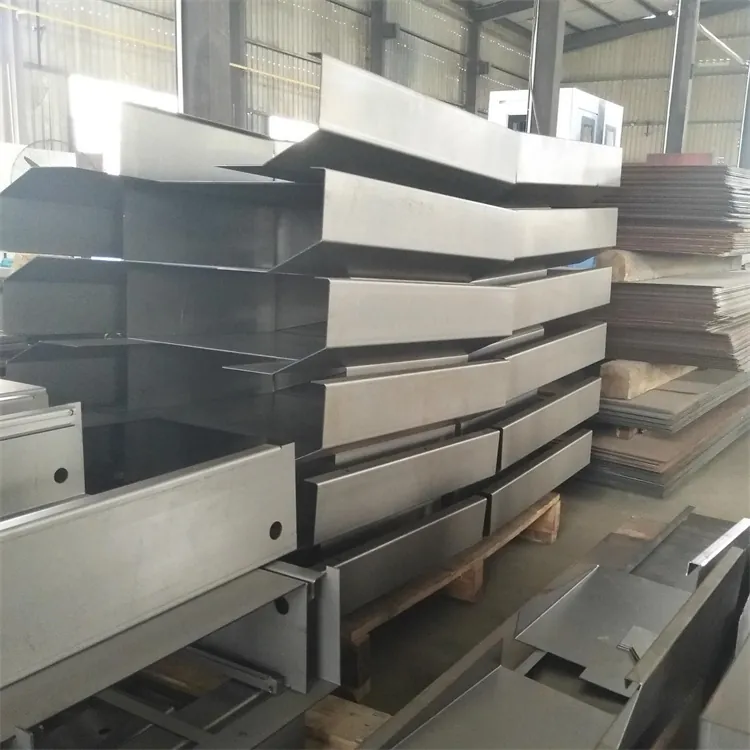
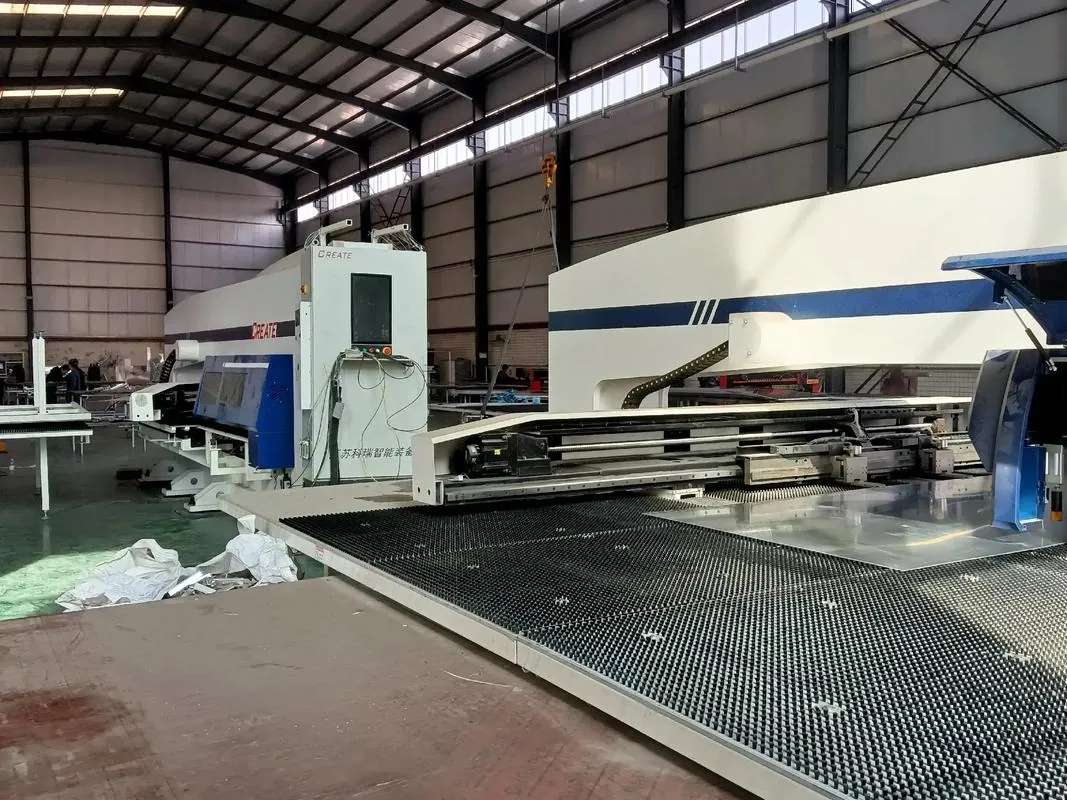
Representative photographs of the equipment, the process and the parts produced.
Specifications at a Glance
| Parameter | Typical Specification |
|---|---|
| Process | CNC V-grooving of the fold line before press-brake bending |
| Materials | Stainless SUS304 and 316L, aluminum, cold-rolled and galvanized steel |
| Thickness range | Typically 0.8-3.0 mm, driven by the remaining web rather than the sheet thickness |
| Groove profile | Groove depth and web thickness set so the outside face closes with no gap |
| Achievable radius | Outside corner reduced to a sharp or minimum-radius edge, depending on material |
| Typical parts | Cabinet doors, fascia and trim panels, frames, casings, architectural panels |
| Finishes | Brushed and mirror stainless, powder coating, anodizing after forming |
| Precision | Groove position typically ±0.1 mm so the fold line lands where the drawing shows it |
| Risk control | Web thickness and grain direction reviewed per part to prevent cracking on the bend |
| Production | Prototypes and repeat batches run from the same grooving program |
The parameters above are representative of typical projects in this category. Your drawing defines the final specification, and every quotation states the scope it covers.
What We Do in This Area
Every job is customised to your drawing. Use these categories as a starting point for your enquiry.
Doors and Front Panels
Fold lines grooved so the door edge closes to a sharp line.
| Material | Stainless, aluminum, coated steel |
| Thickness | Usually 0.8-2.0 mm |
| Result | Sharp outside corner, no weld, no polishing |
Fascia, Trim and Casing
Appearance-critical covers and claddings with crisp folded edges.
| Material | Stainless and aluminum |
| Thickness | 0.8-2.0 mm |
| Finish | Brushed, mirror, anodized or coated |
Frames and Structural Trims
Visible frames where a rounded corner would break the design intent.
| Material | Stainless, aluminum, steel |
| Thickness | 1.0-3.0 mm |
| Result | Corner geometry matched to the drawing |
Materials, Finishes & Customisation
Grooving suitability
| Stainless 304 / 316L | 0.8-2.0 mm — the most common grooving material for visible edges |
| Aluminum 5052 | 1.0-3.0 mm — grooves cleanly and anodizes well after forming |
| Cold-rolled SPCC | 0.8-2.0 mm — grooved before coating for painted sharp edges |
| Galvanized SGCC | 1.0-2.0 mm — care needed at the cut edge of the groove |
What grooving changes
| Bend radius | Reduced to a sharp or near-zero outside corner |
| Edge finish | No weld and no polishing needed along the fold |
| Appearance | A tighter, more deliberate edge line on visible faces |
| Structure | The remaining web carries the fold, so web thickness is set conservatively |
Quality control
| Groove position | Checked against the fold line on the drawing |
| Web thickness | Measured before bending to protect the fold |
| Crack check | Edges inspected after forming on tight-web parts |
| First article | Approved against the drawing before the batch runs |
How This Moves Through the Workshop
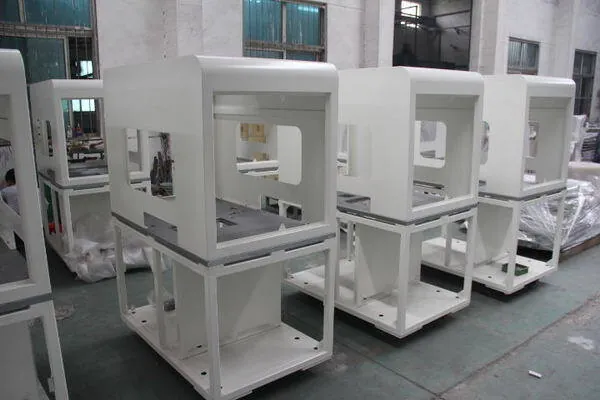
The drawing is reviewed for material, thickness, grain direction and the radius the outside face has to close to. Groove position and web thickness are then set conservatively for the material, the fold lines are grooved, and the parts are bent on the press brake. The closed edge is inspected for gap and cracking before the part goes to finishing, and any part with an appearance-critical face is checked again after coating or brushing.
- Drawing review with DFM feedback before production release
- Fiber laser cutting of the complete flat pattern in one set-up
- CNC press-brake forming, welding and grinding
- Coating applied before gaskets, hardware and glass are fitted
- First-article and sample inspection recorded for each batch
Common Questions
No. Grooving is a thin-sheet process and it only makes sense where the outside face has to close to a sharp edge. Very thick material, grades that crack on a tight fold, and parts where the fold is never seen are normally better made with a conventional radius.
That is the main risk, and it is controlled by leaving enough web thickness and choosing the groove orientation relative to the grain. Where a material is known to be crack-sensitive we say so at review and adjust the web or recommend a different grade, rather than discovering it at the press brake.
For visible edges it usually is, because it removes a weld, a dressing operation and a polishing step from every edge. On parts where the edge was never going to be seen, a conventional radius remains the cheaper route.
Yes. Grooved fold lines and conventional bends are produced in the same batch from the same program, so one part can have a sharp visible edge along the front and normal radii everywhere else.
Send Us Your Drawing
Tell us what you need made, the environment it works in and the quantity — we will return engineering feedback and a quotation, typically within 24 hours on working days.