Sheet Metal Welding and Assembly Services
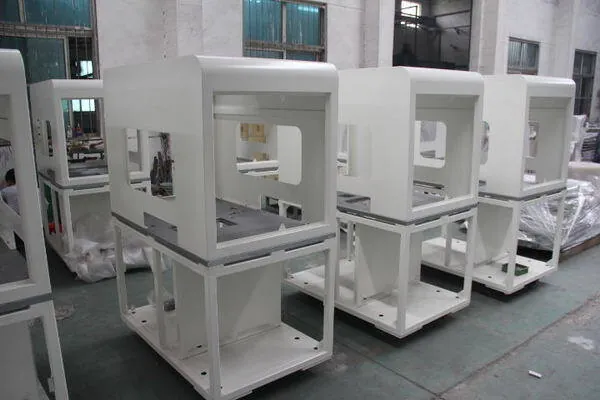
Welding holds a fabricated enclosure together and decides how much rework the finishing line has to absorb. We choose the process per joint and control distortion before it becomes a straightening job.
Welding Matched to the Joint and the Finish
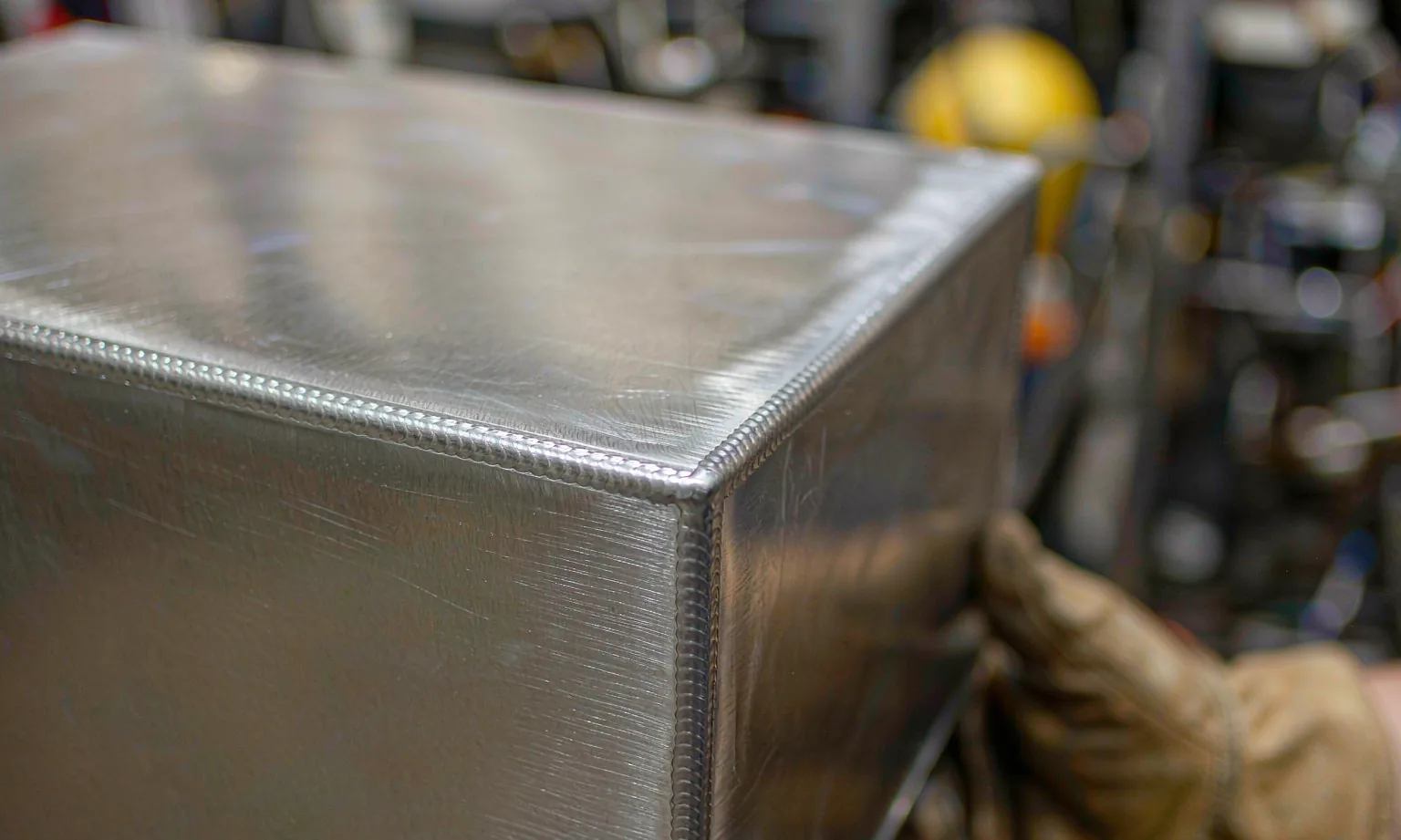
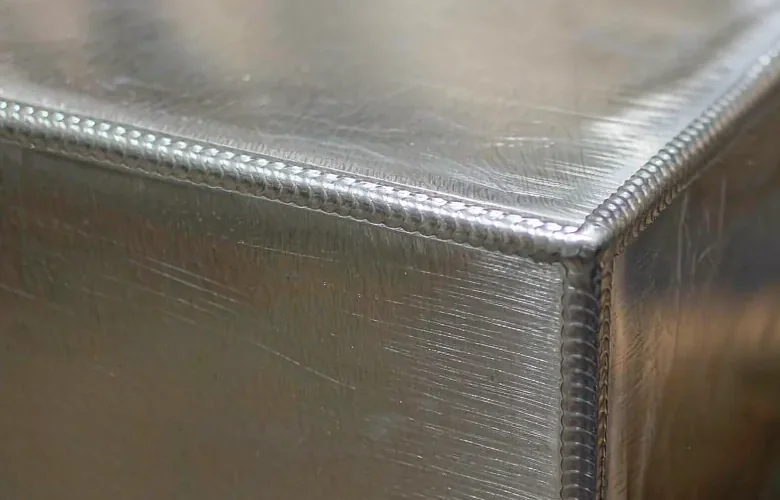
Not every joint deserves the same process. A cosmetic stainless panel needs TIG at low heat input so the surface stays clean; a structural carbon steel frame is faster and stronger in MIG; a thin-gauge enclosure body is best spot welded so heat stays local and the panel does not oil-can. Choosing the wrong process is the most common cause of warped doors and visible heat marks after coating.
Distortion is managed by design and sequence as much as by technique: balanced weld order, tacking before seam welding, heat sinks and jigs on thin panels, and letting parts cool in fixture rather than free. Where a joint will be visible after powder coating, we dress and blend it before the part leaves the welding bay.
A Closer Look at This Capability
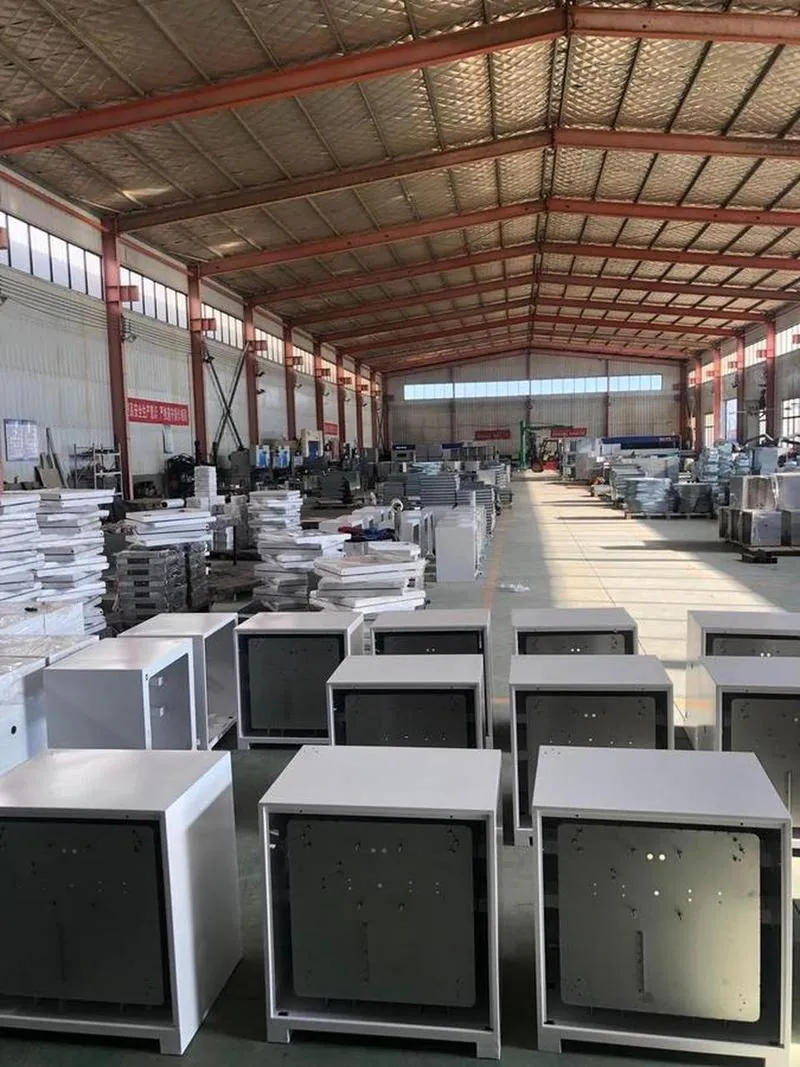
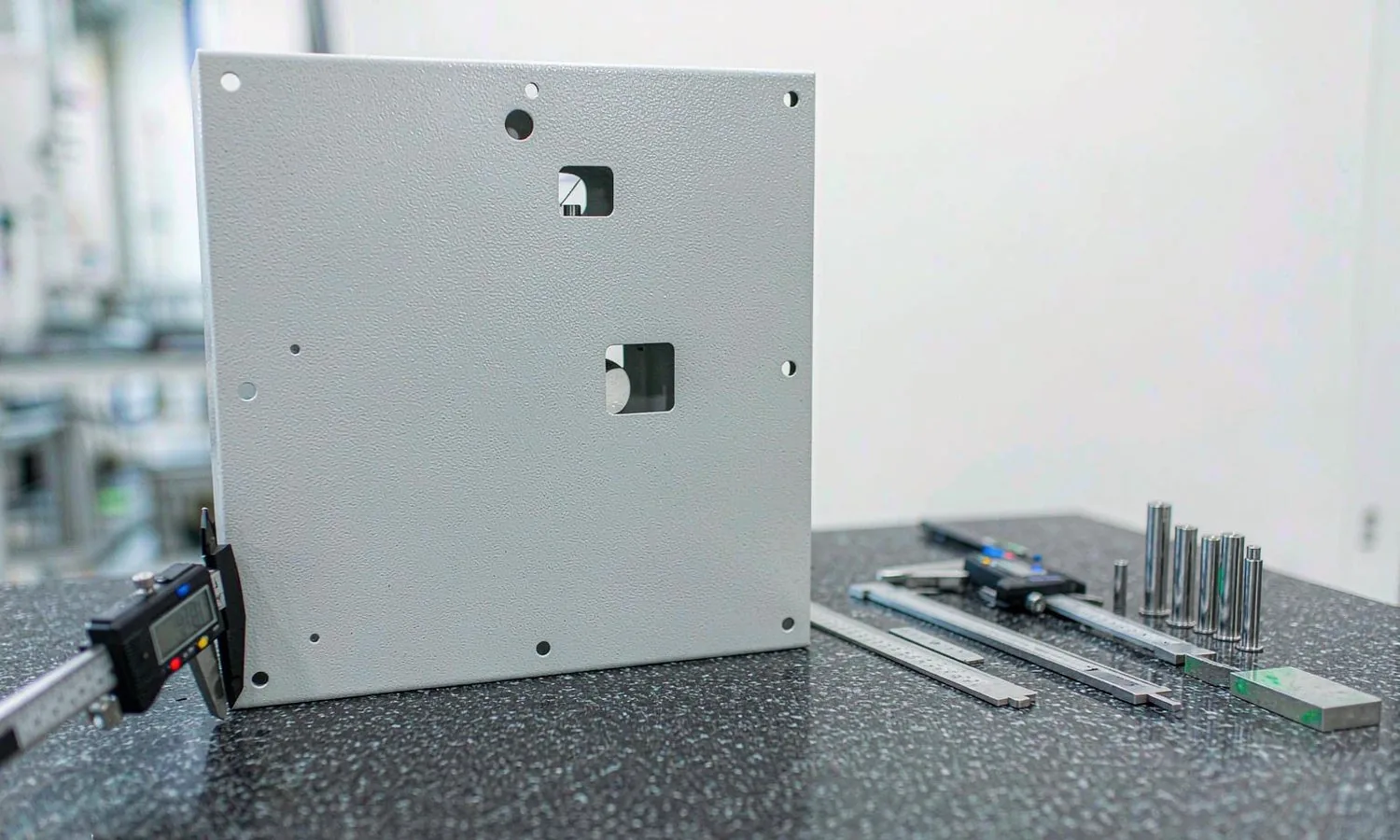
Representative photographs of the equipment, the process and the parts produced.
Specifications at a Glance
| Parameter | Typical Specification |
|---|---|
| Processes | TIG welding for stainless and cosmetic steel joints; MIG welding for structural carbon steel; spot welding for thin-gauge enclosure bodies |
| Materials welded | Cold-rolled steel, galvanized steel, stainless steel 304 / 316L, aluminum |
| Thickness range | From 0.5 mm sheet (spot welding) to 8.0 mm plate (MIG / TIG as applicable) |
| Distortion control | Balanced weld sequence, tacking, jigs and heat sinks on thin panels; cooling in fixture |
| Weld dressing | Ground, sanded or blended flush where the joint will be visible after coating |
| Leak-tight joints | Continuous welds on liquid-retaining or weatherproof seams, checked before finishing |
| Assembly scope | Sub-assembly of hinges, locks, gaskets, rails, inserts and hardware up to a shipped unit |
| Inspection | Visual, dimensional and, where specified, leak or fit-up checks with a report |
The parameters above are representative of typical work in this category. Your drawing defines the final specification, and every quotation states the scope it covers.
What We Do in This Area
Every job is customised to your drawing. Use these categories as a starting point for your enquiry.
Welded Enclosure Bodies
Bodies, frames and bases welded square and stable so doors, panels and gaskets fit without rework.
| Typical thickness | 1.0-3.0 mm |
| Key control | Squareness, door fit |
| Dressing | As required by finish |
Structural Frames and Bases
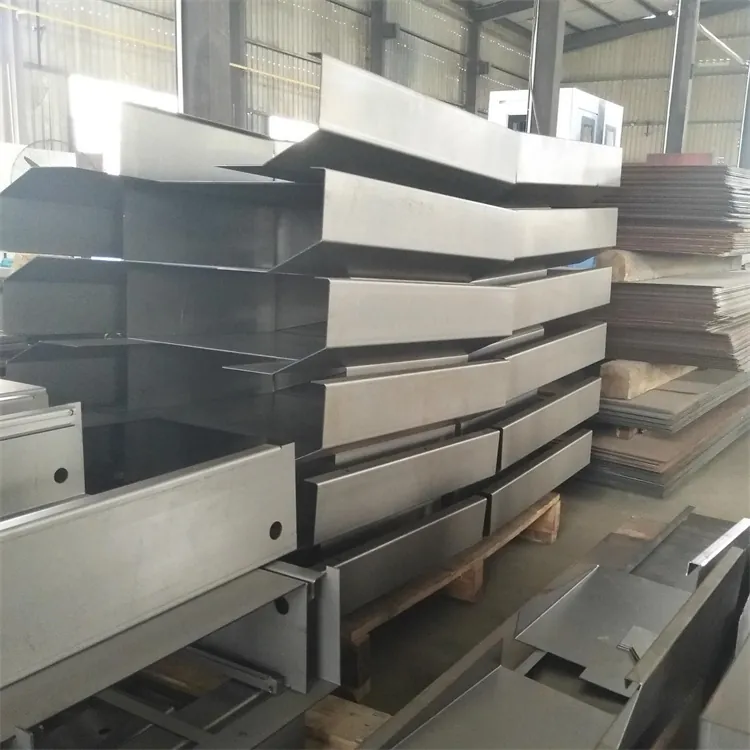
Angle, tube and plate frames where strength and straightness matter more than appearance.
| Process | MIG / TIG |
| Typical thickness | 2.0-8.0 mm |
| Key control | Straightness, weld penetration |
Sub-Assembly and Hardware Fitting
Hinges, locks, gaskets, rails, studs and inserts fitted so the unit ships as one part.
| Scope | Per BOM |
| Hardware | Customer or sourced |
| Key control | Fit and function |
Capability, Tolerances & Documentation
Welding capability
| TIG | Stainless, cosmetic joints |
| MIG | Structural carbon steel |
| Spot | Thin-gauge bodies |
| Thickness | 0.5-8.0 mm |
Distortion control
| Sequence | Balanced weld order |
| Jigs | Used on thin panels |
| Cooling | In fixture |
| Dressing | Ground and blended |
Assembly scope
| Hardware | Hinges, locks, gaskets |
| Inserts | Pressed or welded |
| Rails | Rack and DIN |
| Inspection | Fit-up and function |
Where This Fits in the Production Route
Welded work is planned before it is tacked. The joint type decides the process, the sequence is set to balance heat, and thin panels are held in fixture while they cool. After welding, the assembly is checked for squareness and door fit, visible joints are dressed, and only then does it move to powder coating. If a welded assembly has to be leak-tight or weatherproof, the seam is tested before finishing rather than after, because a failed seam found after coating means stripping and starting again.
- Drawing review with DFM feedback before production release
- Fiber laser cutting of the complete flat pattern in one set-up
- CNC press-brake forming, welding and grinding
- Coating applied before gaskets, hardware and glass are fitted
- First-article and sample inspection recorded for each batch
Common Questions
TIG for stainless steel and cosmetic joints, MIG for structural carbon steel, and spot welding for thin-gauge enclosure bodies. The joint and the required finish decide the process.
By controlling heat input and sequence: balanced weld order, tacking before seam welding, jigs and heat sinks on thin panels, and letting parts cool in fixture rather than free.
Yes. Low heat input TIG with the correct shielding and post-weld cleaning keeps the heat-affected zone clean enough to blend, which matters for visible stainless parts.
Both. We weld to your drawing and can carry on into sub-assembly, fitting hinges, locks, gaskets, rails and inserts so the unit ships as a single part.
Yes, and it is the normal route. Visible joints are dressed before coating. Where a joint must remain electrically conductive or is a sealing surface, that area is masked during coating.
Where a seam has to be leak-tight, we test before finishing. A leak found after coating means stripping the part, so the check happens at the right stage.
Send Us Your Drawing
Tell us what you need made, the environment it works in and the quantity — we will return engineering feedback and a quotation, typically within 24 hours on working days.