Medical & Laboratory Equipment Enclosures
Instrument housings, control consoles, analyzer enclosures and hygienic stainless cabinets for medical device and laboratory equipment manufacturers — built to your drawing, with the surface and cleanability standards the application demands.
Where the Enclosure Has to Disappear
In medical and laboratory equipment the enclosure is rarely the product. It holds the product, it gets cleaned every day, and it must not shed particles, trap contamination or develop a corner that cannot be wiped. That makes surface finish, joint design and edge treatment the specification rather than the decoration.
We manufacture to your drawing and your surface specification. Regulatory approval, biocompatibility of contact materials, electrical safety testing and certification of the finished device stay with you as the device manufacturer. Our scope is the fabricated metal, its finish and its dimensional record.
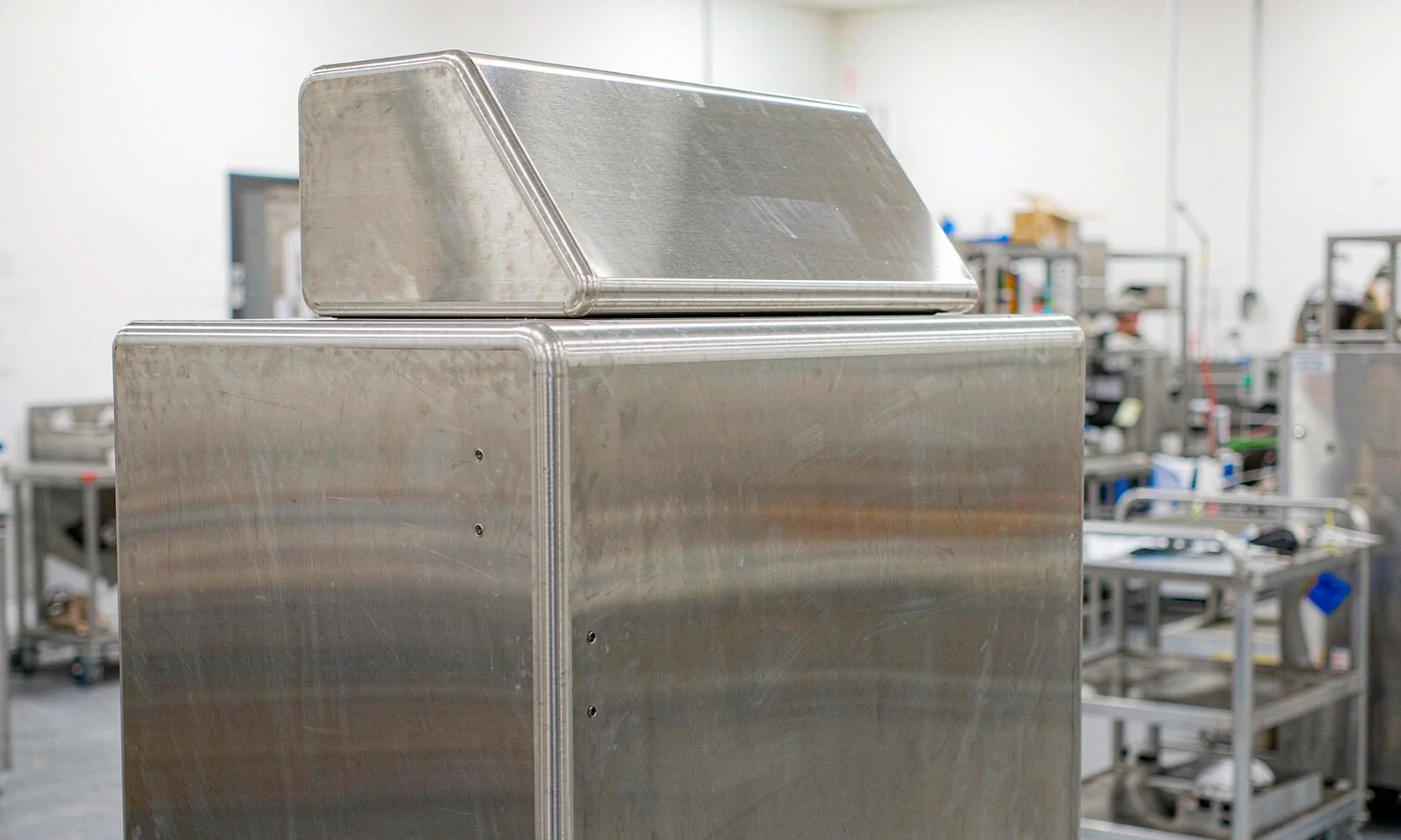
Closer Look at This Enclosure Type
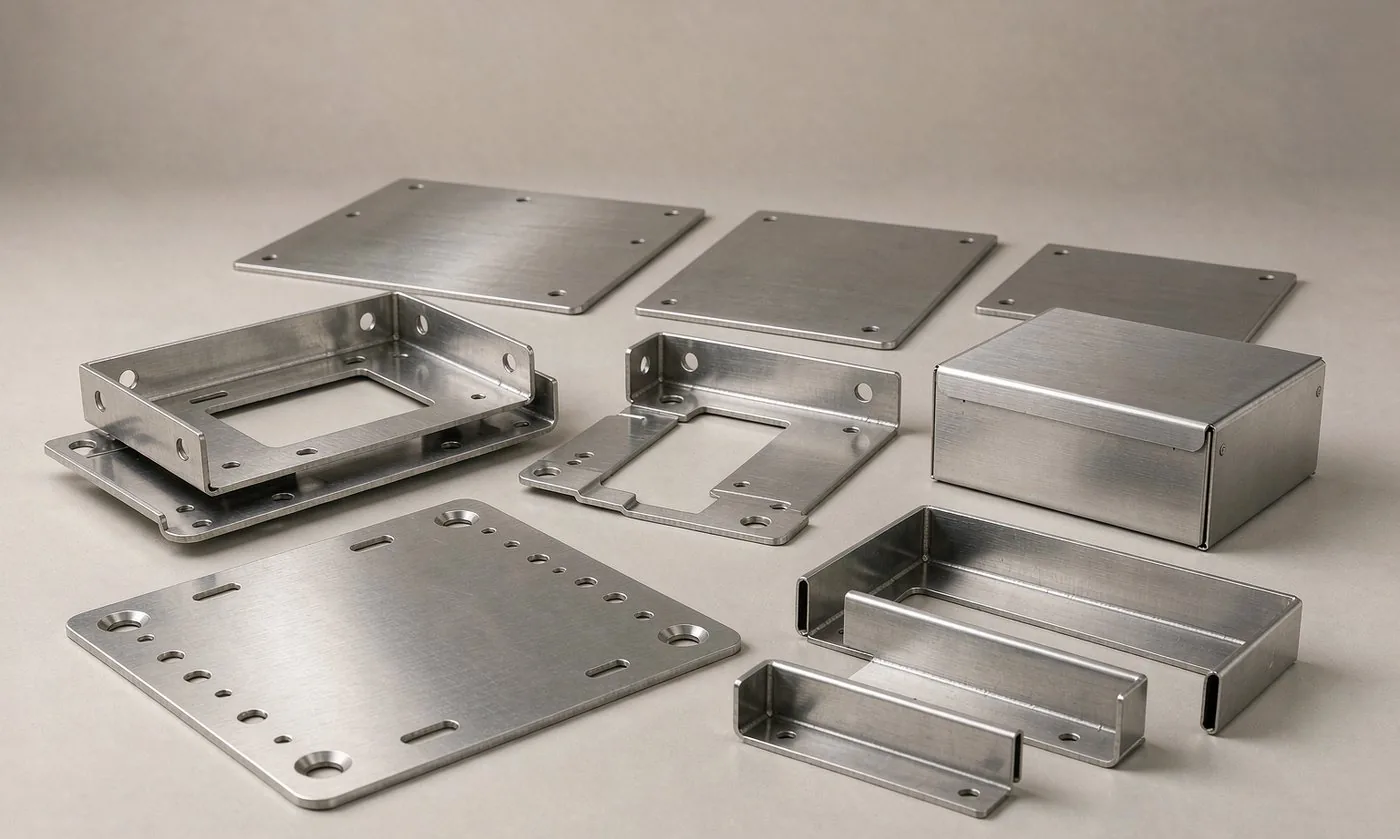
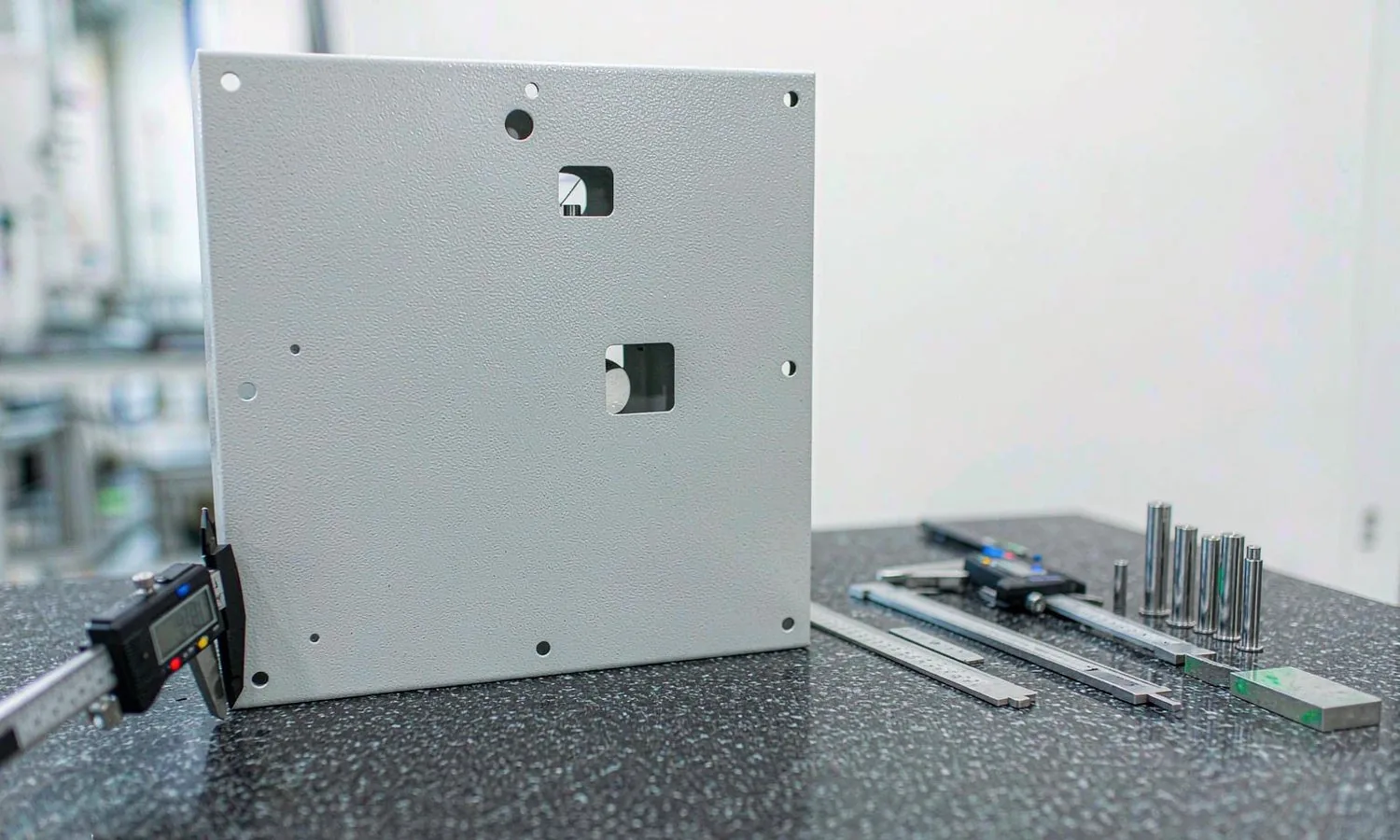
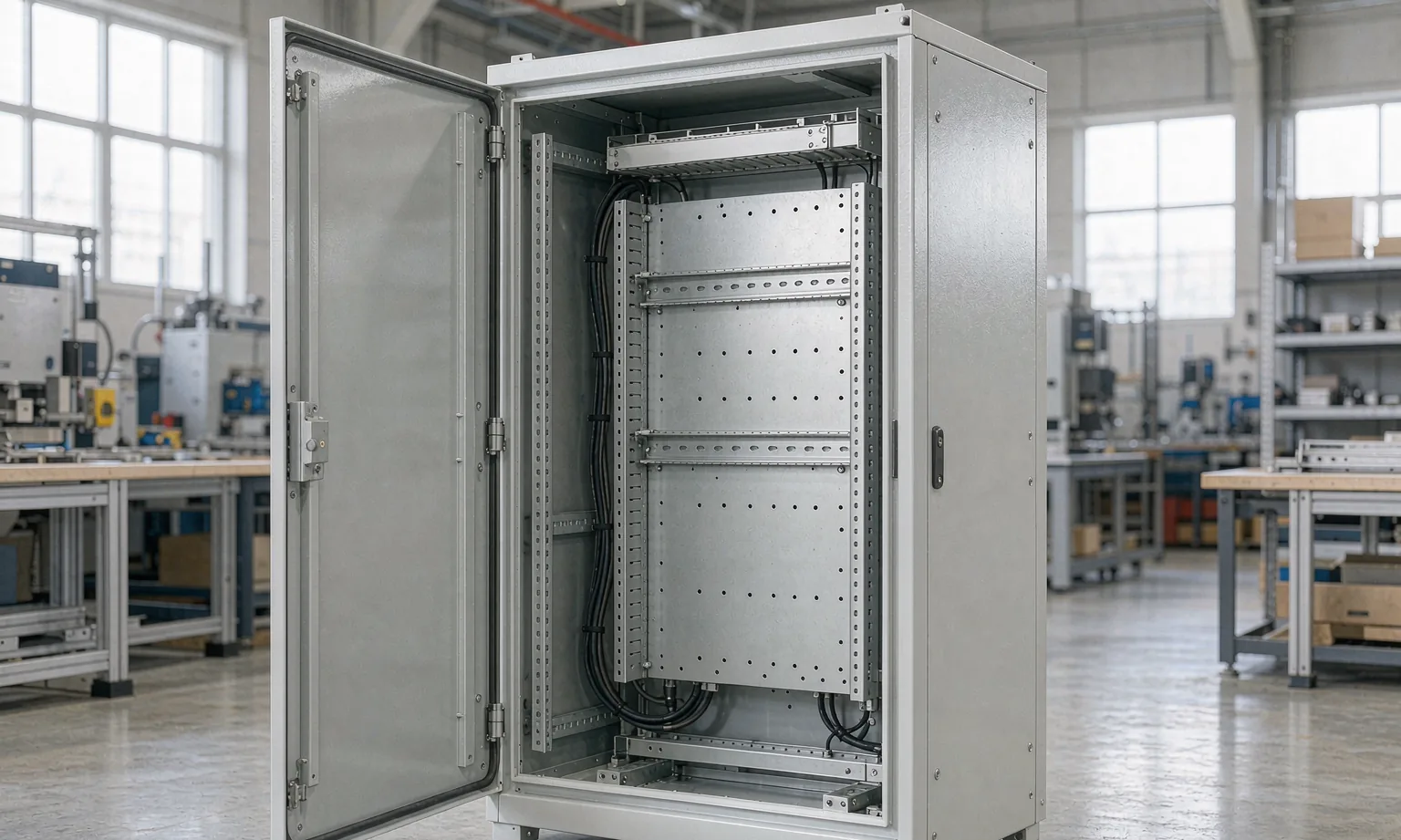
Representative photographs of the construction, interfaces and installation context for this product family.
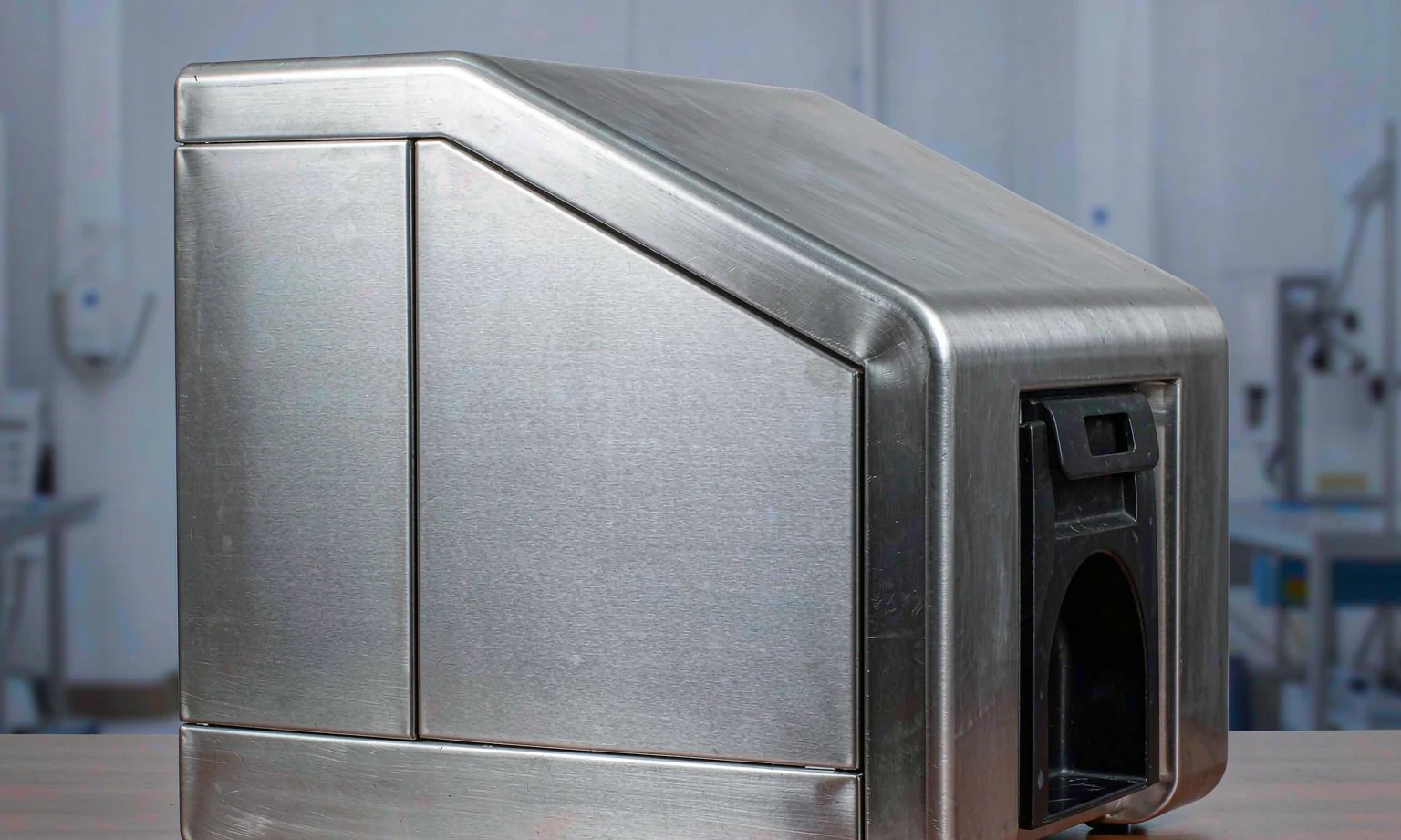
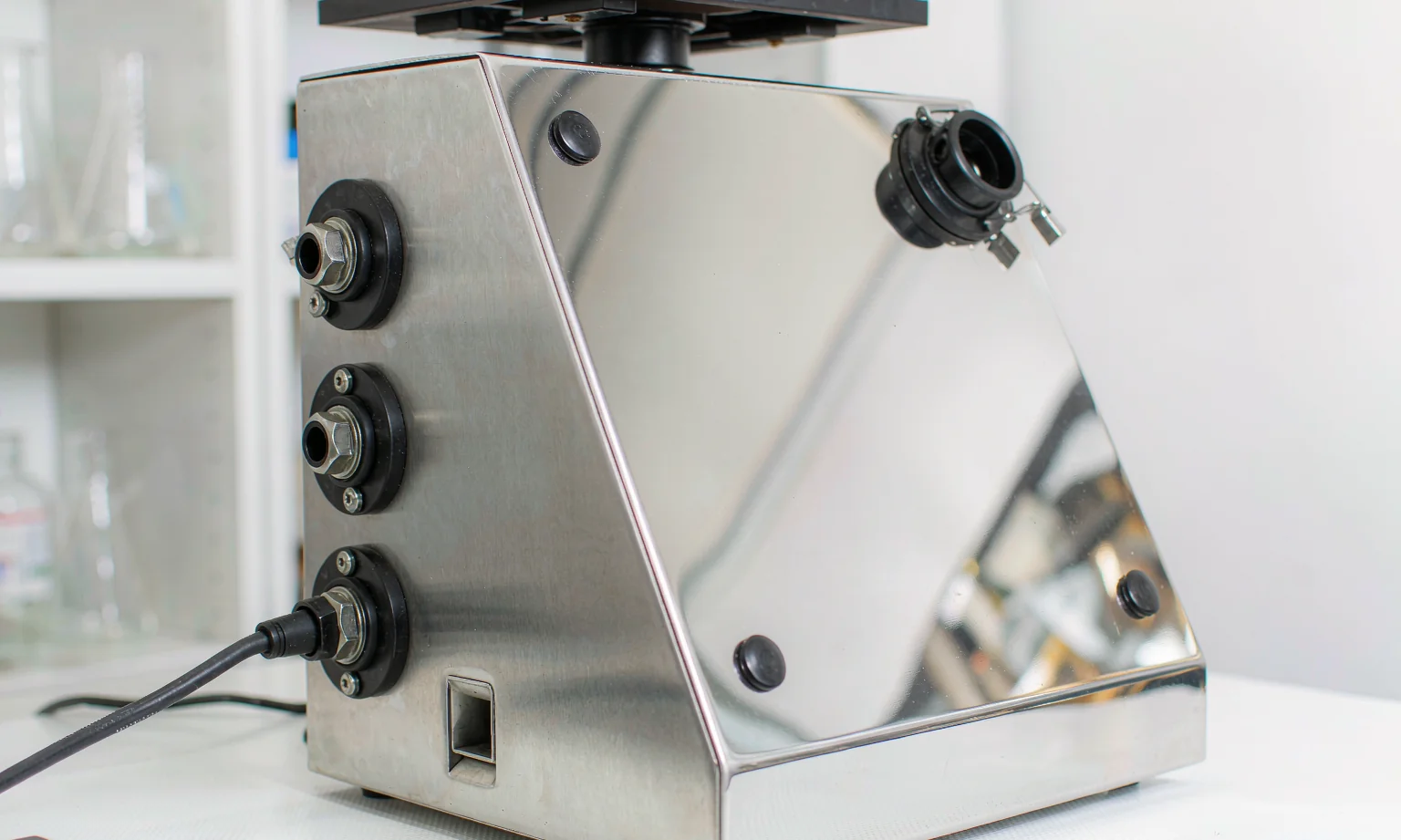
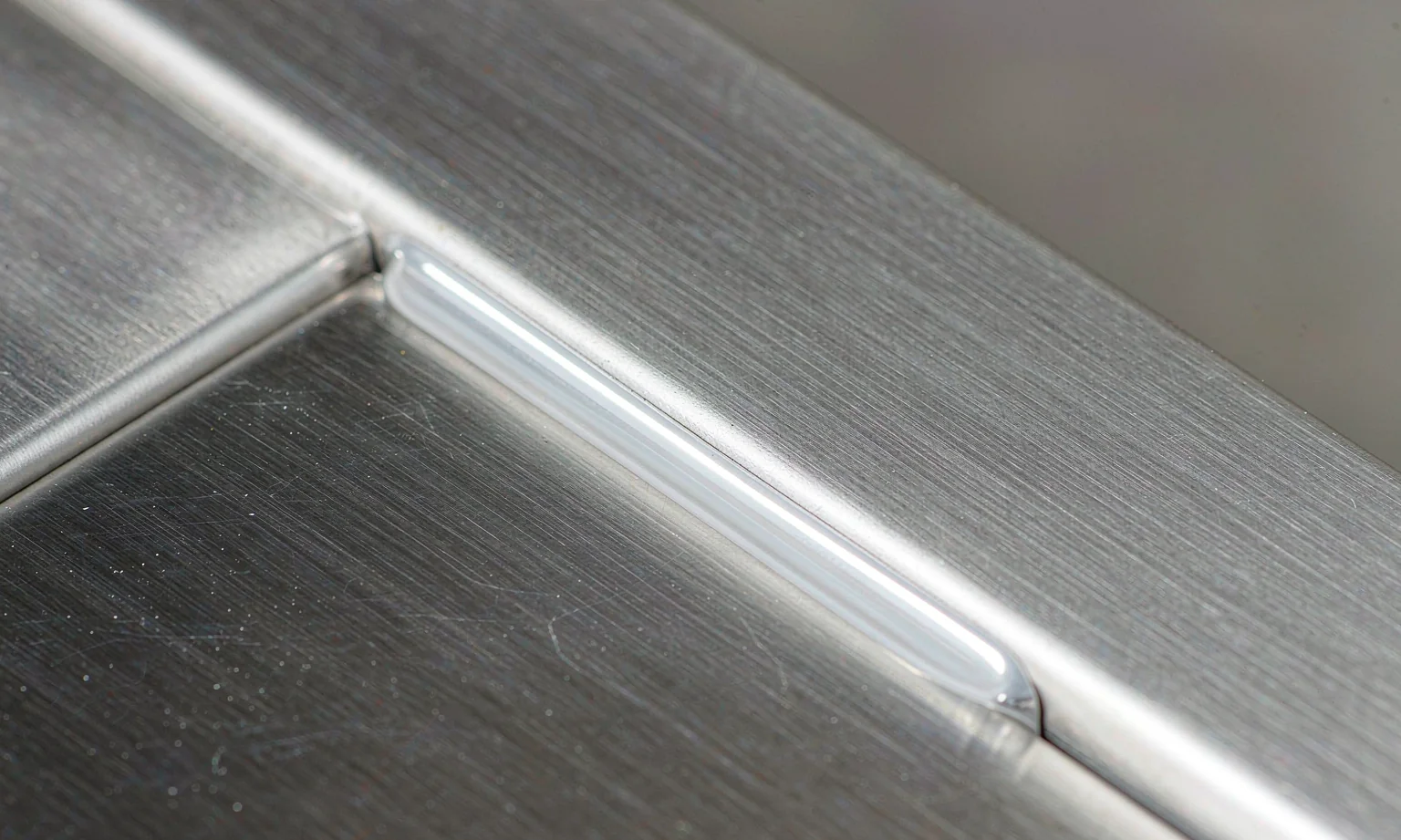
Specifications at a Glance
| Parameter | Typical Specification |
|---|---|
| Typical parts | Instrument housings, control consoles, analyzer cabinets, sample and reagent drawers, equipment carts, fume hood panels |
| Materials | SUS304 and 316L 1.0-2.0 mm, aluminum 5052/6061, SPCC 0.8-2.0 mm where coated |
| Surface finish | Number 4 brushed, bead-blasted, mirror polished, or powder coated to a specified gloss |
| Joint design | Continuous TIG welds dressed flush where hygiene requires, gasketed panels elsewhere |
| Edges | Deburred, hemmed or radiused so no sharp edge sits inside a cleaned area |
| Tolerance | ±0.1 mm on interface and cut-out positions, ±0.2 mm typical on formed angles |
| Cleanability | Crevice-free internal corners where specified, radiused inside corners |
| Hardware | Stainless hinges, quarter-turn and cam locks, captive fasteners, sealed glands |
| Documentation | Material certificates, finish records and dimensional reports on request |
| Traceability | Batch and position marking by laser etching or labels |
The parameters above are representative of typical projects in this category. Your drawing defines the final specification, and every quotation states the scope it covers.
Popular Configurations We Manufacture
Every size and option is customised to your drawing. Use a configuration below as a starting point for your enquiry.
Instrument and Device Housings
Benchtop and floor-standing housings that wrap a device while keeping it accessible.
| Materials | Stainless 304/316L, aluminum, coated steel |
| Finish | Brushed, bead-blasted, anodized or coated |
| Features | Vent paths, fan cut-outs, sealed cable entries |
Control Consoles and Operator Stations
Desks, pedestals and consoles built to the operator and control layout.
| Typical build | Pedestal or desk with sloped fascia |
| Interfaces | Panel cut-outs to the control drawing |
| Ergonomics | Reach, view angle and cable routes set with you |
Hygienic and Washdown Cabinets
Cabinets for clean areas where the surface has to be wiped down and hold up.
| Welding | Continuous dressed TIG seams |
| Corners | Radiused internal corners where specified |
| Finish | Brushed or bead-blasted stainless, no crevices |
Materials, Finishes & Customisation
Material choice
| Stainless SUS304 | 1.0-2.0 mm — the default for laboratory and clean-area equipment |
| Stainless SUS316L | 1.0-2.0 mm — chloride, saline and aggressive reagent exposure |
| Aluminum 5052 / 6061 | 1.0-3.0 mm — lighter consoles and instrument bodies |
| Coated steel SPCC | 0.8-2.0 mm — non-contact housings where a coloured finish matters |
Finish and cleanability
| Number 4 brushed | Directional satin finish, the common laboratory standard |
| Bead blasting | Uniform matte finish that hides handling marks |
| Mirror polishing | For hygienic and inspection surfaces |
| Powder coating | Where colour coding or a non-metallic look is required |
Documentation
| Material certificates | Certificates for the sheet used, on request |
| Dimensional report | Measured critical dimensions against your drawing |
| Finish record | Coating thickness or surface finish values where specified |
How This Moves Through the Workshop
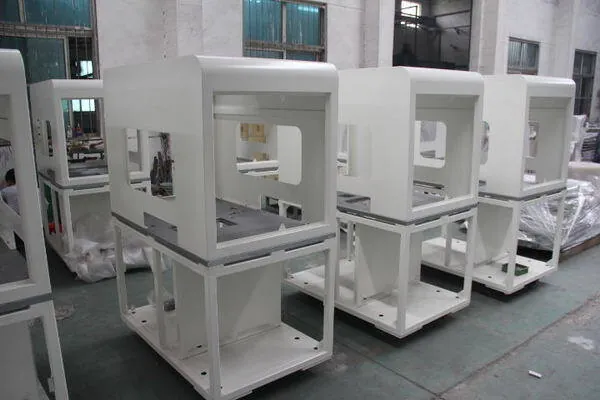
The drawing is reviewed for cleanliness, edge treatment and service access before cutting, and any detail that would create a dirt trap is raised with you. Flat patterns are laser cut with minimal burr, parts are formed, and hygienic assemblies are welded with continuous seams that are dressed flush. Surface finishing follows — brushing, bead blasting or coating — then hardware, gaskets and inserts are fitted and the unit is dimensionally checked and cleaned before packing.
- Drawing review with DFM feedback before production release
- Fiber laser cutting of the complete flat pattern in one set-up
- CNC press-brake forming, welding and grinding
- Coating applied before gaskets, hardware and glass are fitted
- First-article and sample inspection recorded for each batch
Common Questions
No. You are the device manufacturer and hold the regulatory approval. Our scope is the fabricated metal, its surface finish and the dimensional and material records we supply. We are set up to make parts that meet a drawing and a documented finish specification.
Yes. Send the finish callout — typically a Ra value or a defined brushed, bead-blasted or polished standard — and we will confirm feasibility on the material and geometry before quoting. Where a finish cannot be reached on an internal corner, we say so at drawing review rather than after manufacture.
Stainless and non-stainless work is kept separate through cutting, forming and finishing, and clean-area parts are deburred and cleaned before assembly. Where a part is destined for a clean environment, dedicated handling and packing are used at the final stages.
Yes. Sealed cable glands, stainless quarter-turn fasteners and gasketed panels can be fitted in our workshop so the housing ships as one cleanable unit. Hardware grade is matched to the cleaning agents and temperature the equipment sees.
Send Us Your Drawing
Tell us what you need made, the environment it works in and the quantity — we will return engineering feedback and a quotation, typically within 24 hours on working days.