What Drives the Cost of a Sheet Metal Part
A quotation is the sum of material, machine time, labour, finishing and overhead. Knowing which of those your drawing controls is what lets you take cost out of a part before it is ever cut.
Five cost blocks, and which one your drawing controls
Two parts with the same weight can differ by a factor of three in price, and the difference is almost never the material alone. It is how much sheet is consumed, how many times the part is handled and how many operations it needs before it is packed.
So the levers that take cost out of a part sit mostly in the drawing, not in the negotiation. The sections below work through each cost block in the order it is created, then rank the practical changes worth making.
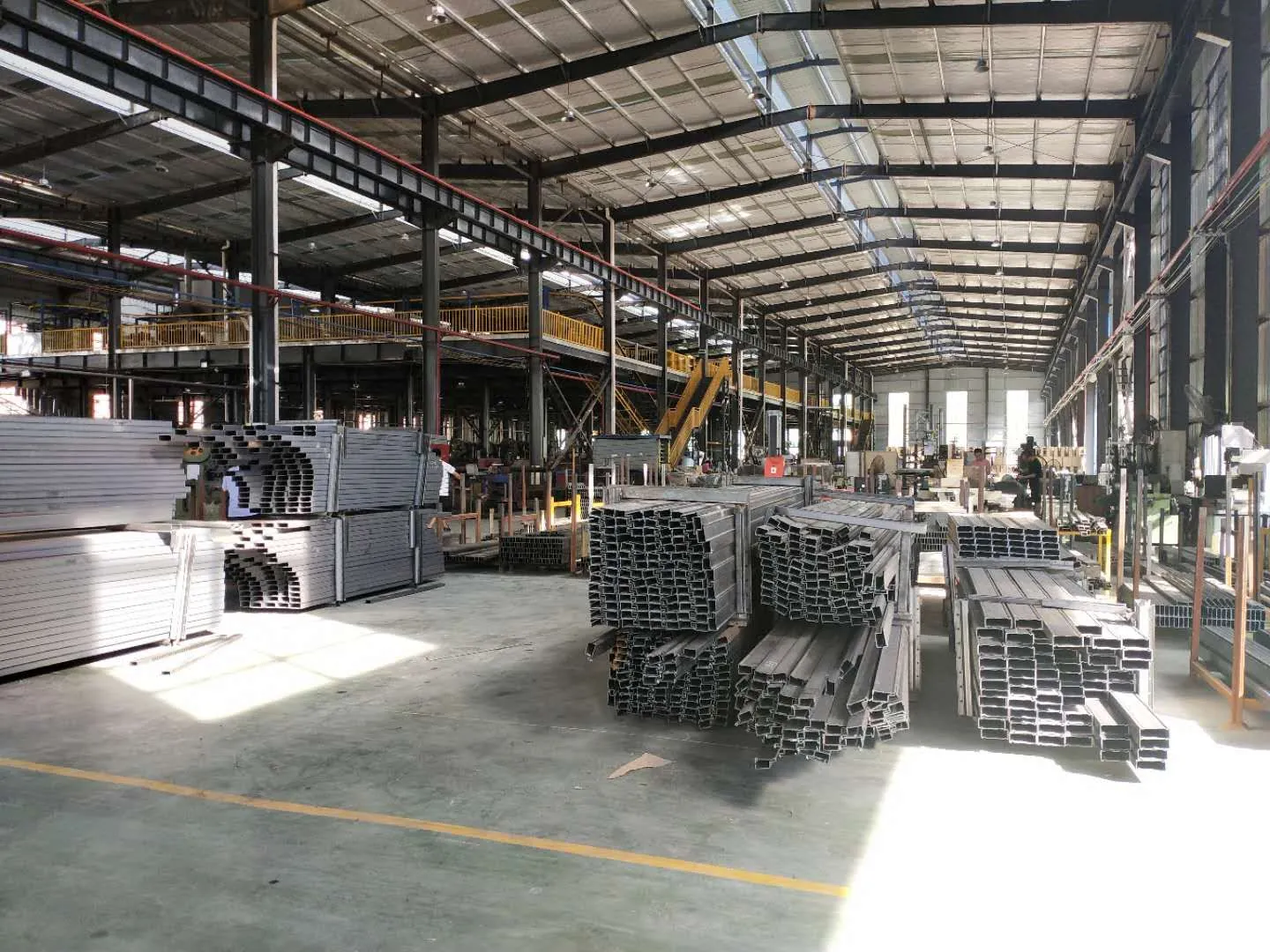
Cost is a chain, not a number
Two parts with the same weight can differ by a factor of three in price. The difference is almost never the material alone — it is how many times the part is handled, how much scrap comes off the sheet, and how many operations the finished part needs before it is packed. A quotation is built from the outside in, but cost is created from the inside out: in the flat pattern.
The five cost blocks, in the order they are created
| Cost block | What it covers | What your drawing controls |
|---|---|---|
| Material | Sheet, bought by weight or by sheet, at the grade and thickness specified | Grade, thickness and blank size |
| Nesting & cutting | How much of the sheet is used and how long the laser is on the part | Part outline, blank size and how many parts share a sheet |
| Forming | Press-brake set-ups and strokes, and any special tooling | Number of bends, bend direction, bend radius and access for the tooling |
| Welding & assembly | Fit-up, welding time, jigs and dressing | Joint design, whether welds are visible, and how many parts make one assembly |
| Finishing & packing | Surface preparation, coating, hardware, protection and palletising | Finish specification, masked areas, hardware content and packing requirement |
Material: the obvious block, and rarely the biggest one
Material is usually the largest single line on a simple flat part, and the smallest on a complex fabricated assembly. Two levers matter here.
- Thickness. Going from 2.0 mm to 1.5 mm cuts material weight by a quarter for the same outline, but it can force more bends for stiffness, which adds machine time. Thickness is a design decision, not just a price decision.
- Grade. Cold-rolled steel is the cheapest common option, galvanized adds corrosion protection without a coating step, stainless costs several times more than steel. Specifying stainless where a coated mild-steel part would survive is one of the most common ways to overpay.
- Blank size and standard sheet. Parts sized so that a whole number fit across a 1220 × 2440 mm or 1250 × 2500 mm sheet nest far better than parts that leave an awkward strip. A 20 mm change in one dimension can turn a 15% scrap figure into 6%.
Nesting: the block most drawings never think about
The laser does not care how complicated a single part is; it cares how much travel it needs and how much sheet is left over. Cost is driven by the area of sheet consumed per part, not the area of the part.
- Parts cut in high quantity are nested together, so the leftover area is shared — cost per part falls sharply with quantity.
- Odd outlines that cannot share a sheet with anything else carry all of their own scrap.
- Hole-heavy parts add laser travel time but barely change material use; a simple part with a huge outline is the opposite.
- Where a part has a large internal cut-out, the cut-out can often become another part in the same nest rather than scrap.
Forming: bends cost more than they look
Each bend is a handling step, an alignment step and a machine stroke. A part with four bends is not twice the forming cost of a part with two — it is usually closer to three times, because set-up is amortised and each additional bend adds a new opportunity for the part to be reworked.
- Bend radius. A radius below the material's natural minimum requires more force, a special tool or a groove, and raises the risk of cracking.
- Flange height. A flange shorter than about four times the material thickness will not form reliably in a standard V-die and needs a different tool or a different design.
- Bend sequencing. Bends that interfere with each other force the part to be turned on the machine more than once, which adds set-up and handling time per part.
- Access for the tooling. A bend close to a tall flange can make the punch collide with the part; if the design can move that bend, the cost usually moves with it.
Welding and assembly: where quotes diverge most
Welding is the block with the widest spread between suppliers, because it is labour-led. Two factories can quote the same welded assembly three times apart without either being wrong — one is fitting parts by hand, the other is fitting parts that were cut to fit.
- Parts designed with locating tabs, self-aligning edges and folded joints weld faster and need less jig work.
- Visible welds need dressing and polishing; hidden welds do not. Deciding where a weld has to look good is a cost decision.
- Fewer parts in one assembly is almost always cheaper than more parts, even if the single part is larger and uses more material.
- Hardware such as pressed inserts, hinges and gaskets can be fitted during manufacture instead of at your plant, which moves the labour out of your operation.
Quantity: the divisor that changes everything
Fixed cost — programming, nesting, press-brake set-up, jigs, first-article inspection, packing design — is spread across the batch. This is why the price per part drops steeply between 1 piece and 100, and only gently between 1,000 and 5,000.
| Quantity band | What dominates the price | Where the money is saved |
|---|---|---|
| 1 to 10 pieces | Programme, set-up and inspection | Very little — this is a prototype band, priced for correctness rather than unit cost |
| 10 to 100 pieces | Set-up plus machine and labour time | Nesting efficiency and fewer handling steps |
| 100 to 1,000 pieces | Material and machine time | Thickness choice, blank size and nest layout; jigs now pay for themselves |
| 1,000+ pieces | Material and process time | Any design change that removes an operation pays back many times over |
Practical levers, ranked by how much they usually save
- Reduce the number of parts in an assembly — consolidate brackets, combine panels, replace a bolted joint with a fold wherever the design allows.
- Resize the blank to nest better — check whether the part fits a standard sheet a whole number of times.
- Loosen tolerance where it is not needed — a general tolerance is far cheaper than a selective tight one, and tight tolerances should sit only on the features that actually interface.
- Remove unnecessary holes and cut-outs — every additional profile adds laser travel and a second chance for a hole to be in the wrong place.
- Choose the finish that the environment needs, not the one that sounds best — galvanized steel with a good coating often outperforms stainless at lower cost.
- Order in the quantity band that suits the design — if the design is not final, prototyping in small numbers and then committing to a larger run usually costs less overall than a mid-size order of an unproven part.
What to send with an enquiry, so the quote is accurate first time
- A 2D drawing or 3D model (STEP, IGES, DXF or DWG) with material, thickness and finish stated.
- Quantity, and whether the number is a one-off or the start of a repeat programme.
- Which dimensions are functional interfaces and which are general — this is what allows a sensibly toleranced quote.
- Whether the part ships flat or assembled, and whether hardware is fitted by us.
- Any inspection or documentation requirement, because this adds an operation to the plan and therefore to the price.
If your drawing leaves any of those open, we will quote the most economic sensible interpretation and state the assumptions on the quotation. That way the price you compare is for a defined part rather than for an idea.
Common Questions
No. Drawing review, manufacturability feedback and quotation are provided free of charge on every enquiry. The review often identifies cost that can be taken out of a part before it is ever cut.
Because programming, nesting, press-brake set-up, first-article inspection and packing design are fixed costs. On a single part all of that is charged to one unit; across a batch of several hundred it is negligible. There is no die cost in laser cutting, so prototypes remain affordable rather than cheap.
Yes, and it is a standard part of our review. Send the drawing and the current quantity band and we will return the specific changes that reduce cost — usually a combination of part consolidation, blank resizing, tolerance relaxation and finish selection.
Not necessarily. A quote that assumes a cheaper material, a looser tolerance or a different operation sequence can be accurate for a different part. Compare quotations against the scope each one states, and ask what is excluded.
Send Us Your Drawing
Tell us what you need made, the environment it works in and the quantity — we will return engineering feedback and a quotation, typically within 24 hours on working days.