Solar Inverter Enclosures, PV Combiner Boxes & String Cabinets
Outdoor-rated metal housings for string inverters, central inverter cabinets, PV combiner boxes, DC isolator enclosures and monitoring equipment — with the ventilation, cable entry and access detailing that rooftop and ground-mount solar installations demand.
Housings Sized Around Heat and Cable Access
Solar electronics live in the worst of both worlds — direct sun on one side, cable bundles on the other. Enclosure design carries much of the thermal load through surface area, vent strategy and mounting position, all of which are decided in sheet metal.
We fabricate the shell, the mounting frame and the ventilation features to your thermal and layout drawings. Your team keeps the electronics, the string design and the compliance of the finished product.
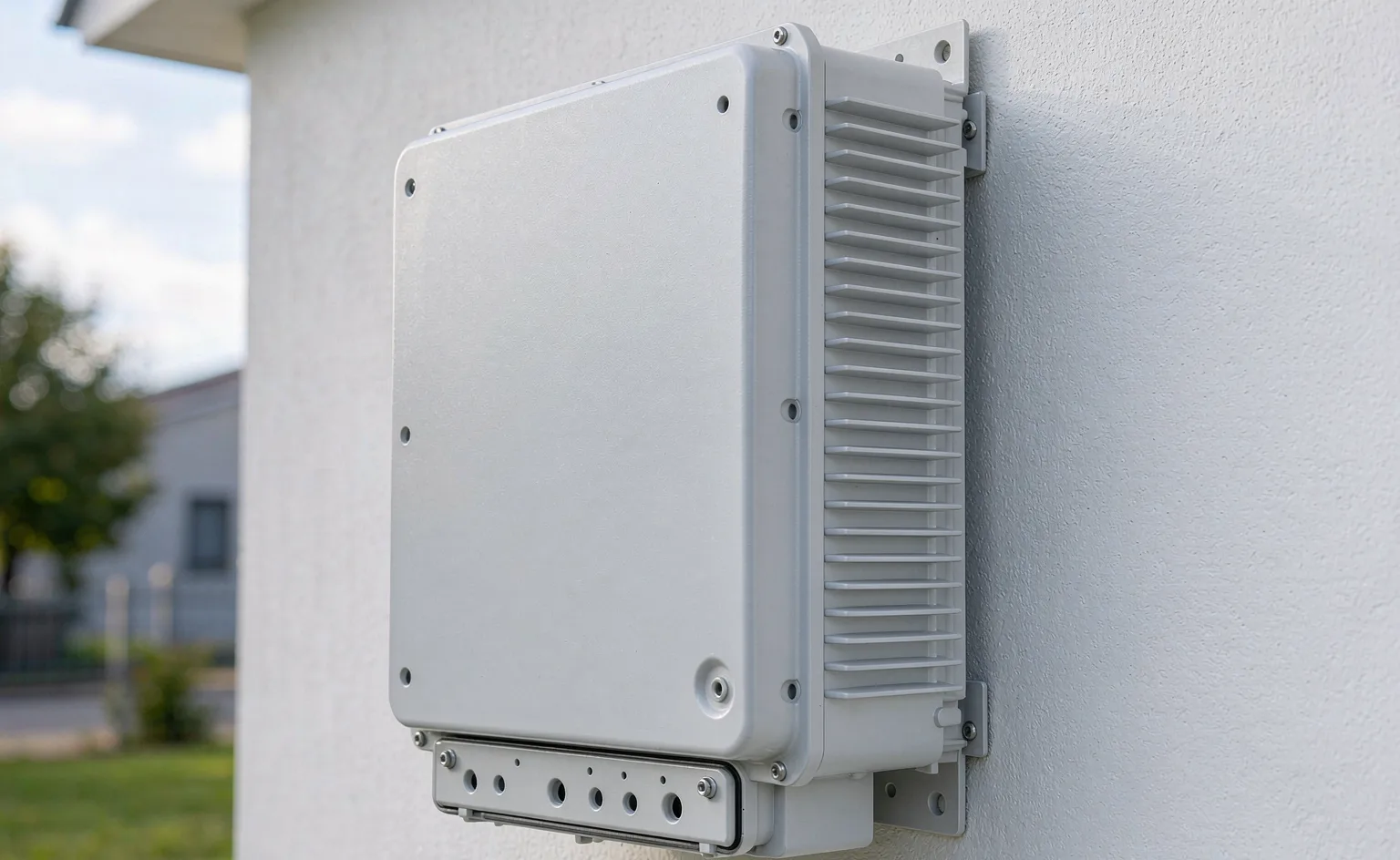
Closer Look at This Enclosure Type
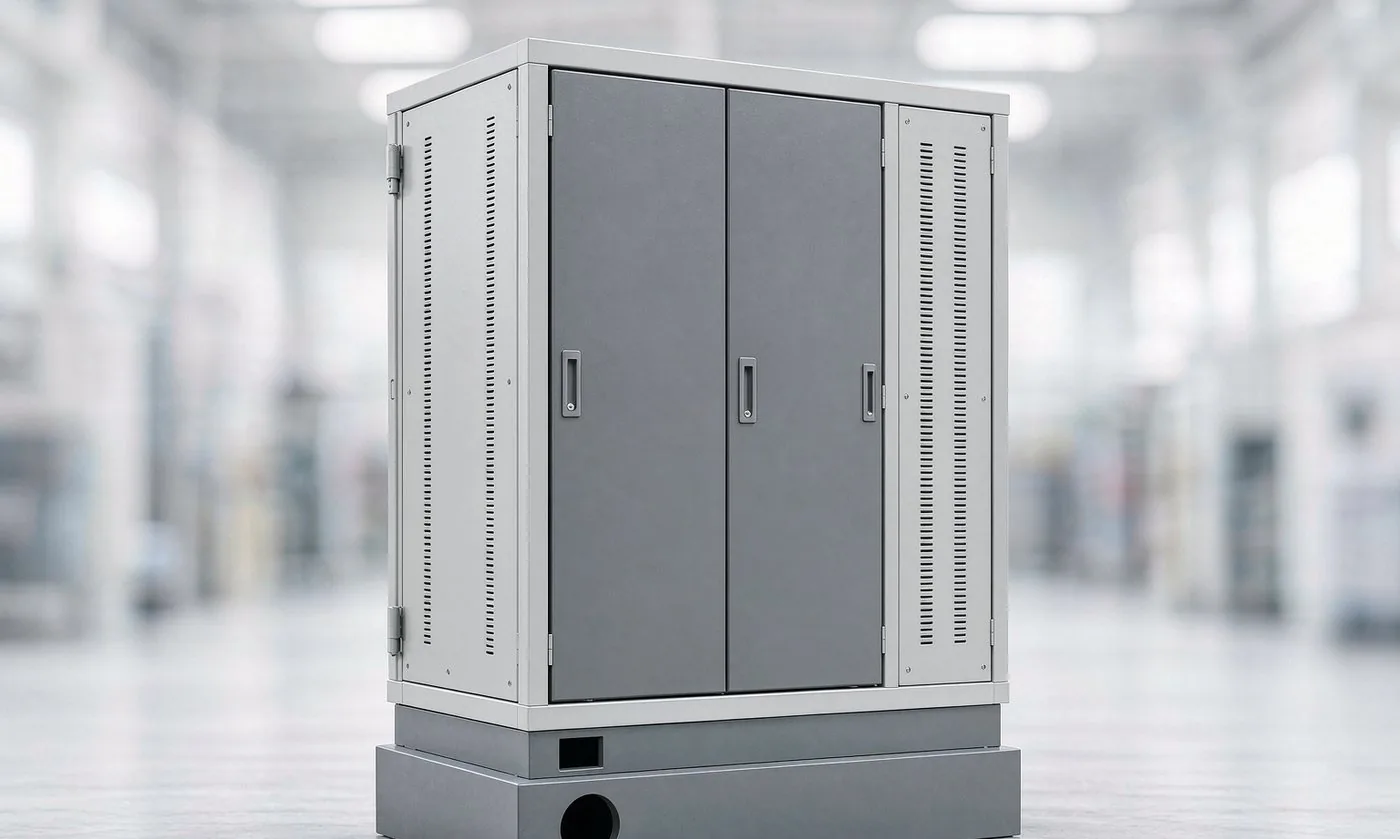
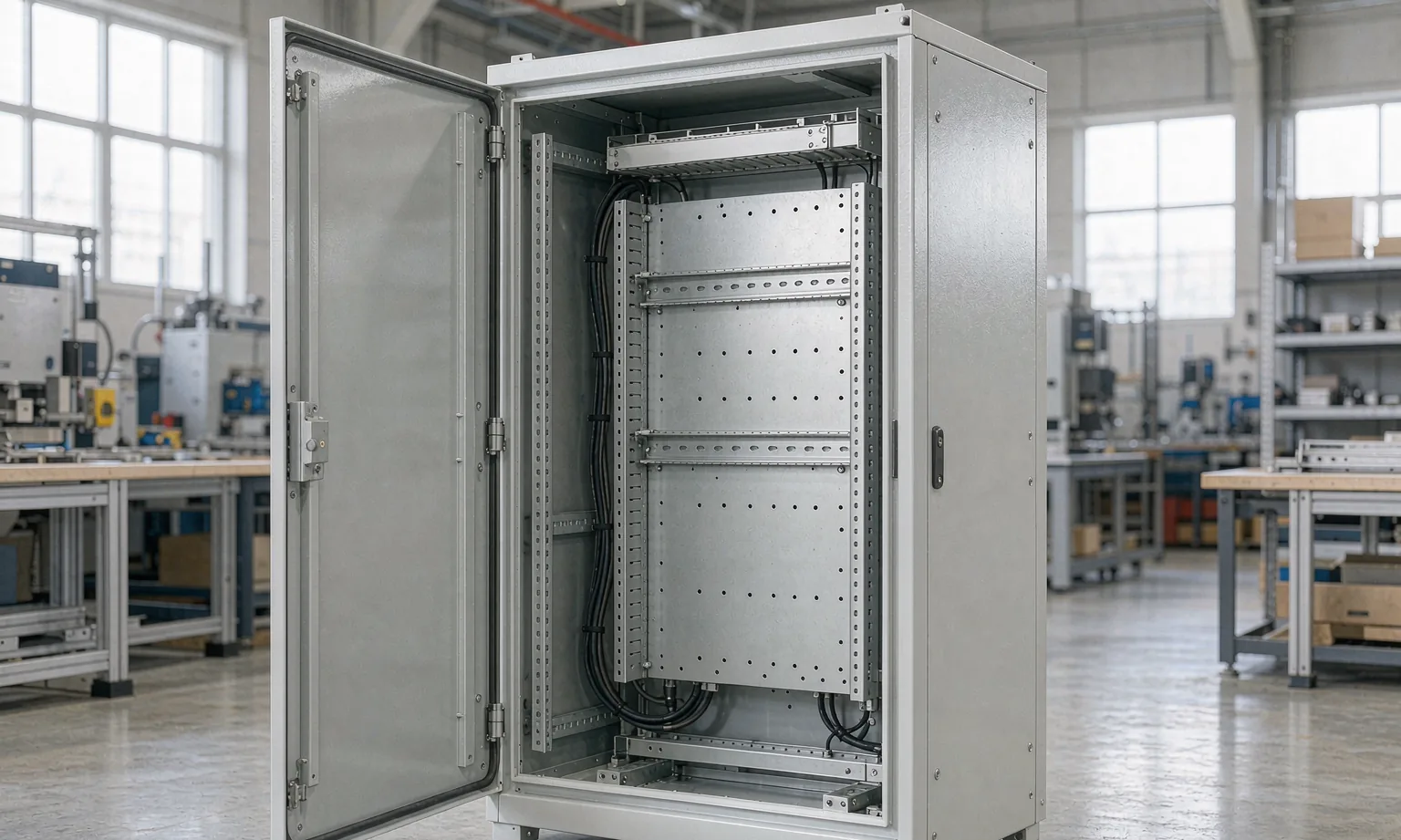
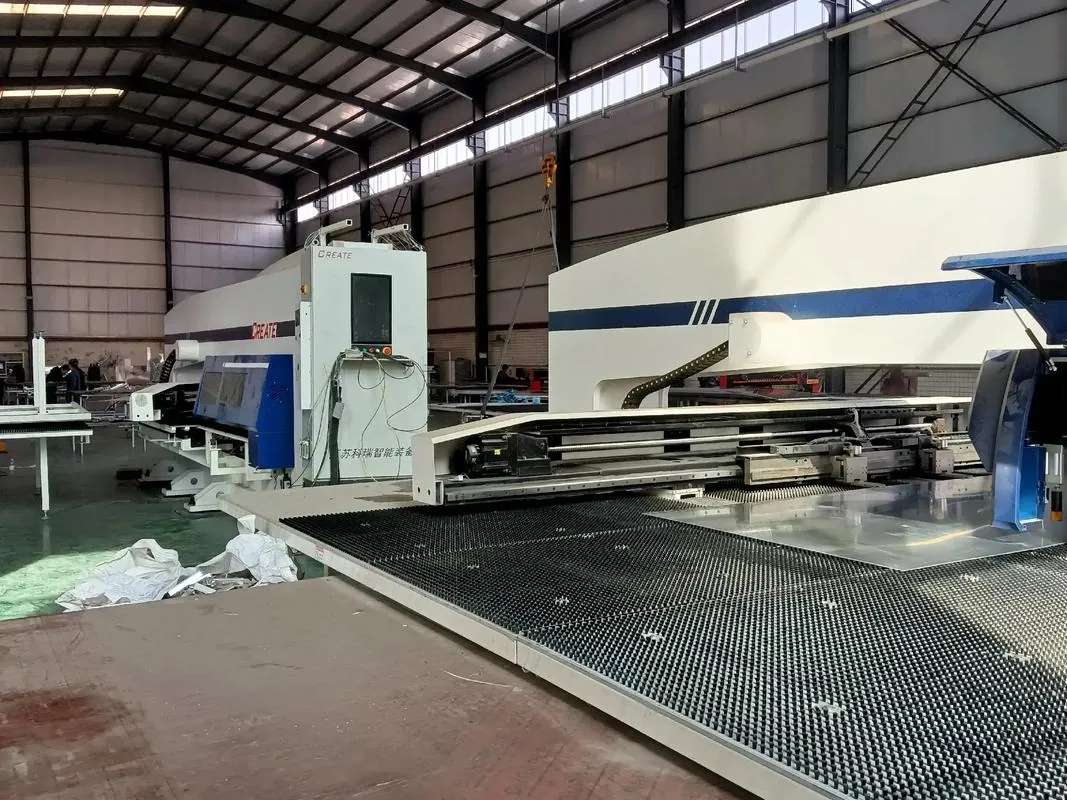
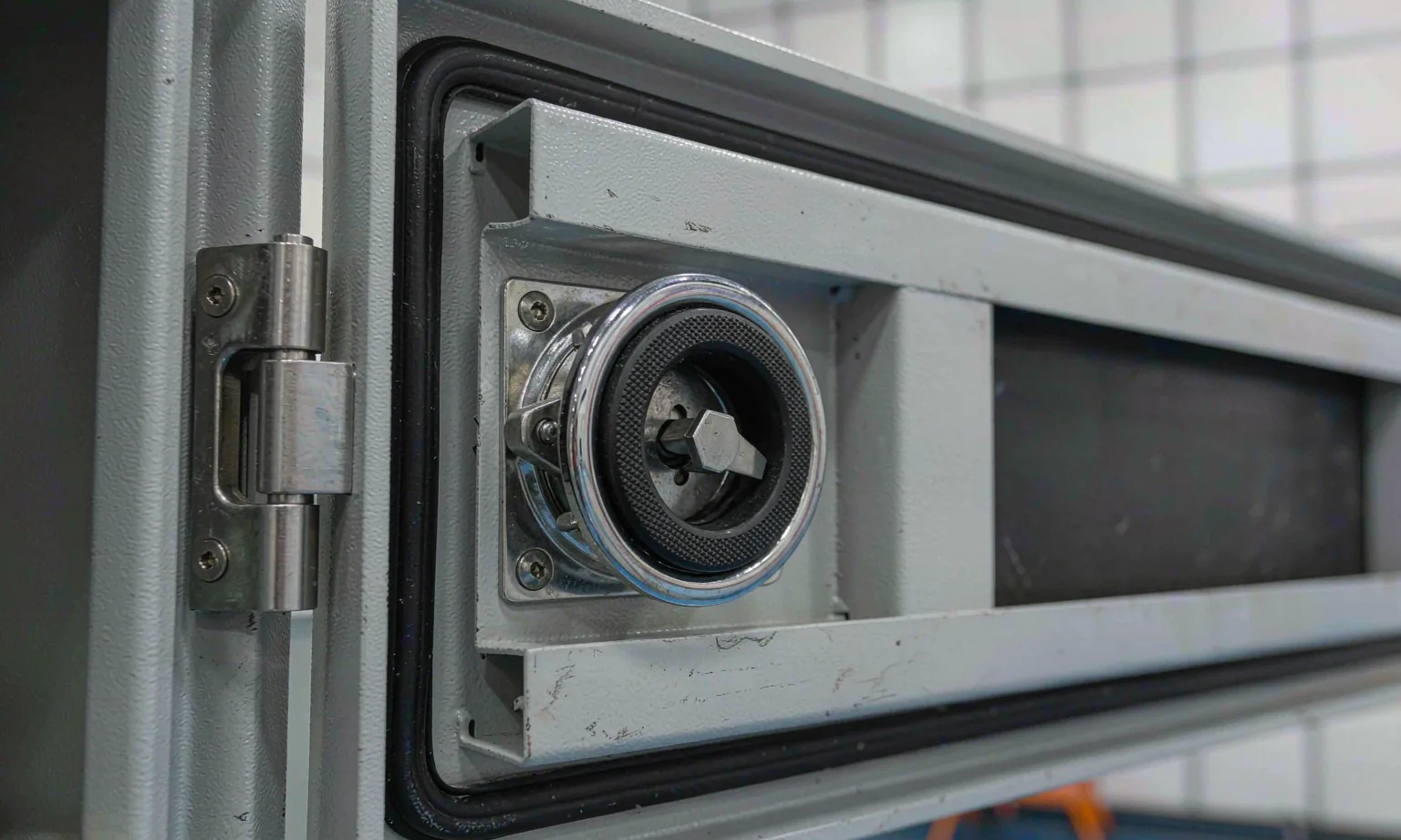
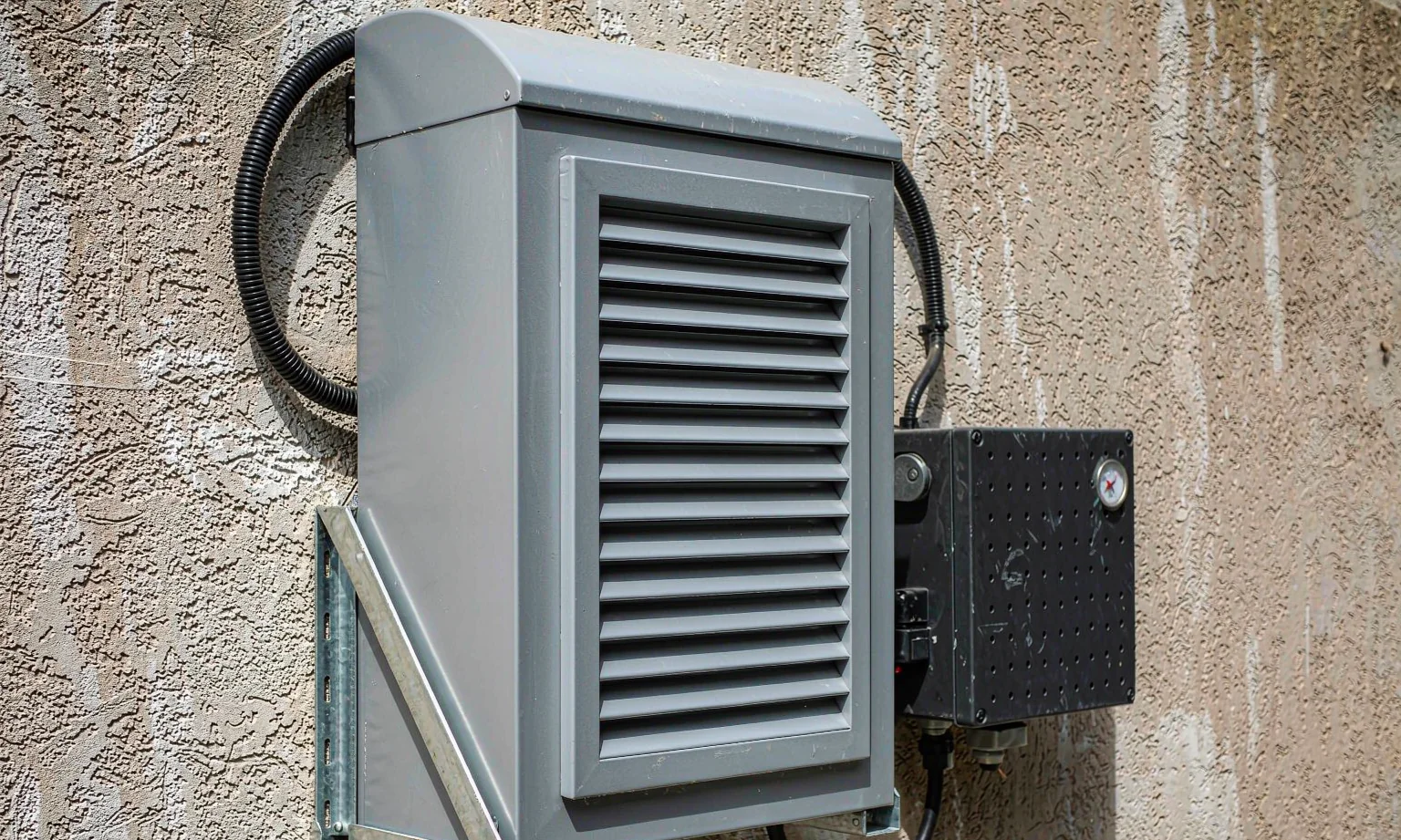
Representative photographs of the construction, interfaces and installation context for this product family.
Specifications at a Glance
| Parameter | Typical Specification |
|---|---|
| Typical unit | String inverter housing, central inverter cabinet, PV combiner box, DC isolator enclosure |
| Mounting | Wall, rail, rooftop frame, ground pedestal, skid |
| Materials | SPCC, galvanized SECC, SUS304 for coastal arrays, aluminum for weight-limited rooftops |
| Size envelope | Combiner boxes from 300 × 400 × 150 mm; inverter cabinets up to 2200 × 1200 × 800 mm |
| Thermal features | Louvre banks, fan and filter apertures, heat-sink interface, shallow heat chimney design |
| Sealing design | Gasket channel, sealed door, gland plate, IP54-IP65 by design with filtered ventilation |
| Sun exposure detailing | Sloped or double-skin top, drip edges, gasket shadow lines, coated light-coloured finish |
| Finish | Light-coloured powder coat to limit solar gain, 80-100 µm, zinc-plated internal parts |
| Representative lead time | Prototype 10-14 days; serial production 20-35 days depending on scope |
The parameters above are representative of typical projects in this category. Your drawing defines the final specification, and every quotation states the scope it covers.
Popular Configurations We Manufacture
Every size and option is customised to your drawing. Use a configuration below as a starting point for your enquiry.
PV Combiner & Isolator Boxes
Compact sealed boxes that group strings and house isolators, fuses and monitoring modules.
| Typical size | 300 × 400 × 150 to 800 × 1000 × 300 mm |
| Protection by design | IP54 / IP65 |
| Features | Multiple gland entries, DIN plate, transparent window option |
String Inverter Housings
Wall or rail-mounted housing for the inverter body with heat-sink interface and cable management.
| Typical size | 450-700 W × 600-900 H × 200-350 D mm |
| Material | Aluminum or galvanized steel |
| Features | Heat-sink cut-out, drip edges, cable hooks |
Central Inverter & String Cabinets
Floor-standing cabinets for central inverters, string monitoring and DC distribution at ground-mount plants.
| Typical size | 1800-2200 H × 800-1200 W × 600-800 D mm |
| Access | Double door, front access, removable side panels |
| Features | Filtered ventilation, cable trench entry, plinth |
Materials, Finishes & Customisation
Housing material
| Galvanized steel SECC / SGCC | 1.2-2.5 mm — standard choice for outdoor solar equipment |
| Cold-rolled steel SPCC | 1.5-2.5 mm — sheltered and indoor installations |
| Aluminum 5052 | 1.5-3.0 mm — where rooftop load limits or heat transfer drive the choice |
| Stainless steel SUS304 | 1.0-2.0 mm — coastal and desert installations |
Thermal & UV strategy
| Light-coloured coating | Reduces solar gain on exposed cabinet faces |
| Vent strategy | Louvres, filtered panels and baffles that block driven rain while allowing airflow |
| Heat-sink interface | Precise cut-outs and sealed gasket frames for through-panel heat sinks |
Customisation
| Windows & displays | Glazed windows with gasket frames and internal supports |
| Cable entry | Bottom, side or rear entry with gland plates and spare knockouts |
| Monitoring hardware | Mounting bosses for sensors, antenna brackets and cable clamps |
How This Product Moves Through the Workshop
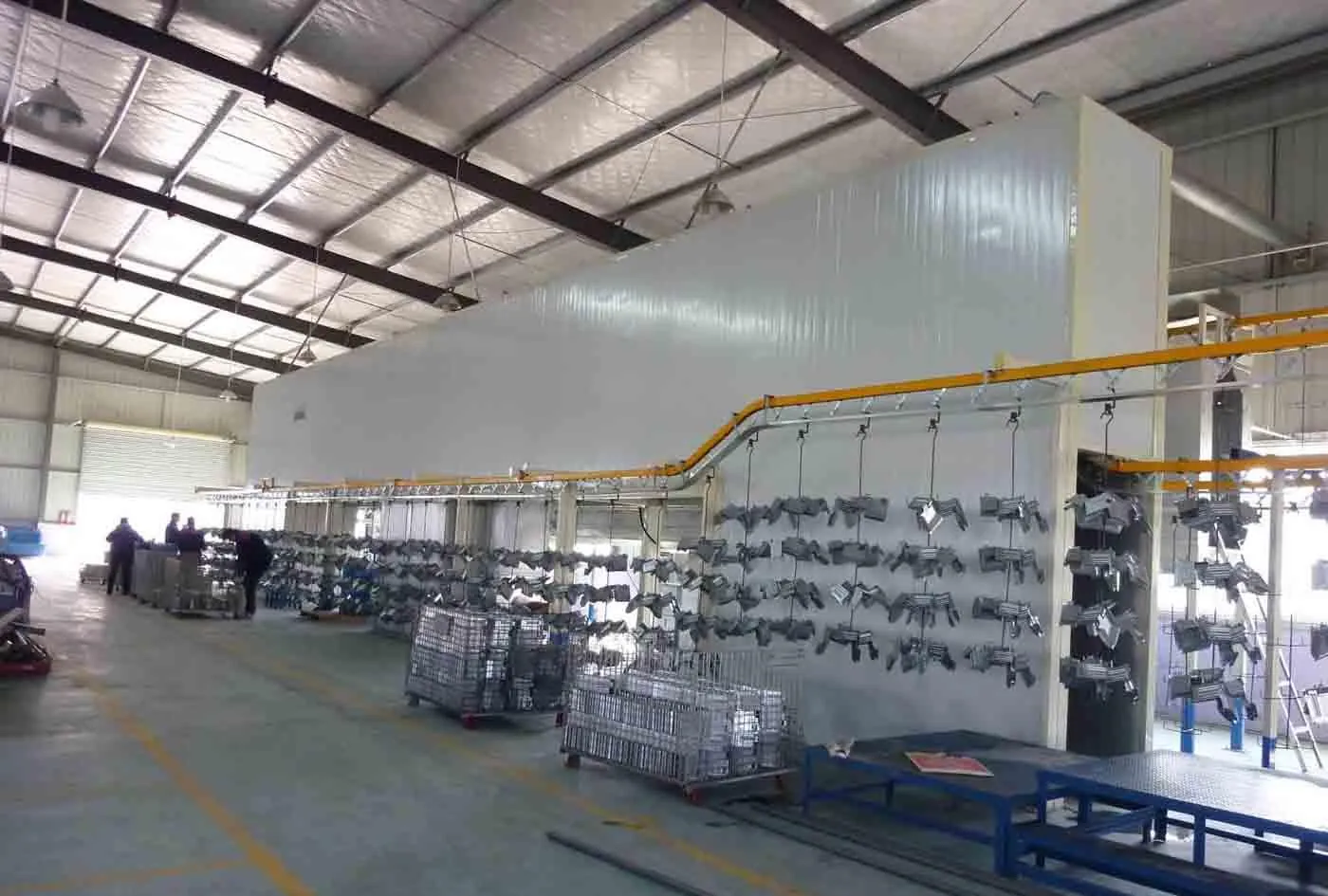
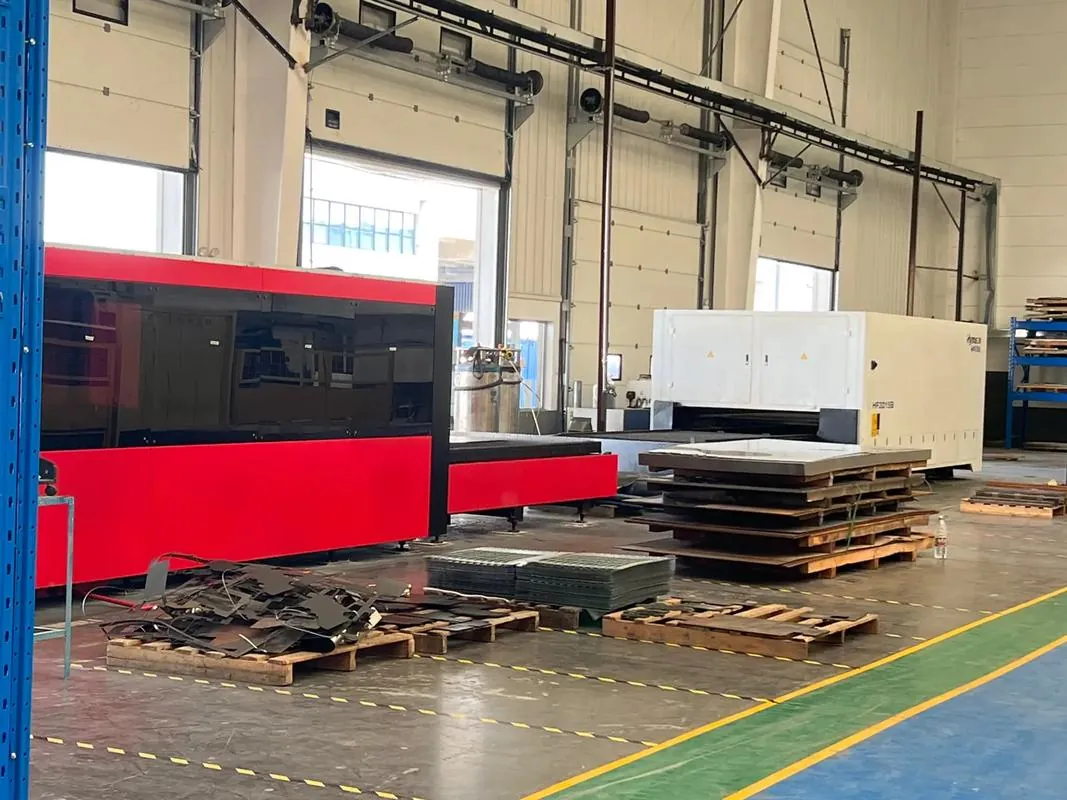
Because solar enclosures sit outdoors permanently, the sequence matters: laser cutting produces louvres and gasket reliefs in the flat panel, bending forms the drip edges and door returns, welding builds the frame, and coating is applied before any gasket, filter or hardware goes on. The sealed assemblies are then fit-checked, packed and shipped with corner protection.
- Drawing review with DFM feedback before production release
- Fiber laser cutting of the complete flat pattern in one set-up
- CNC press-brake forming, welding and grinding
- Coating applied before gaskets, hardware and glass are fitted
- First-article and sample inspection recorded for each batch
Common Questions About This Product
We fabricate the metal housing and its mechanical parts. The inverter, monitoring electronics, isolators, fuses and the compliance of the finished product are supplied and certified by you.
We form the openings and interfaces your thermal design needs — louvre banks, fan apertures with filters, heat-sink cut-outs, duct flanges and internal baffles. The airflow calculation and the choice of cooling equipment stay with your engineering team; we build the sheet metal that supports them.
Yes. Light RAL references are usually specified for exposed installations and we coat accordingly. Where heat load is critical we can also build a double-skin top or an extended top that creates a shaded air gap above the cabinet.
IP65 can be achieved where the box is fully sealed with gland entries rather than vents. For enclosures that need ventilation, IP54 to IP55 is the normal target with filtered openings and rain-shedding louvre geometry.
Yes. Send the frame or rail drawings and we will build the mounting brackets, stand-offs and bolt patterns to suit. Where weight matters, we can propose an aluminum variant and quote both options so you can compare.
Guides for This Application
Solar Inverter and Combiner Box Enclosure Fabrication
Wall-mount, floor-standing and outdoor inverter housings
Read guideAluminium or Steel for Inverter Enclosures?
Weight, heat rejection, stiffness and corrosion compared
Read guideThermal Design for Solar Inverter Enclosures and Housings
Heat load, airflow and shading for inverter housings
Read guideSend Us Your Drawing
Tell us the enclosure you need, the environment it works in and the quantity — we will return engineering feedback and a quotation, typically within 24 hours on working days.