Audio & Amplifier Enclosures
Amplifier chassis, 19 inch rack cases, mixer housings, interface boxes and stage equipment enclosures — with the vent patterns, heat paths and cosmetic finish that audio products are judged on.
A Case You Can See and Hear Through
Audio equipment is a rare combination: the enclosure is visible on a stage or in a rack, and it is also the heat exchanger for the amplifier. A vent pattern that looks right but restricts airflow shortens the life of the product, and a finish that marks at the first rack fitting is the first thing a customer notices.
We build chassis to the amplifier layout: heat-sink interface, transformer and board mounting, vent fields sized to the thermal design, and connector apertures on the rear panel. Front panels can be anodized, brushed or printed so the face of the product matches the brand.
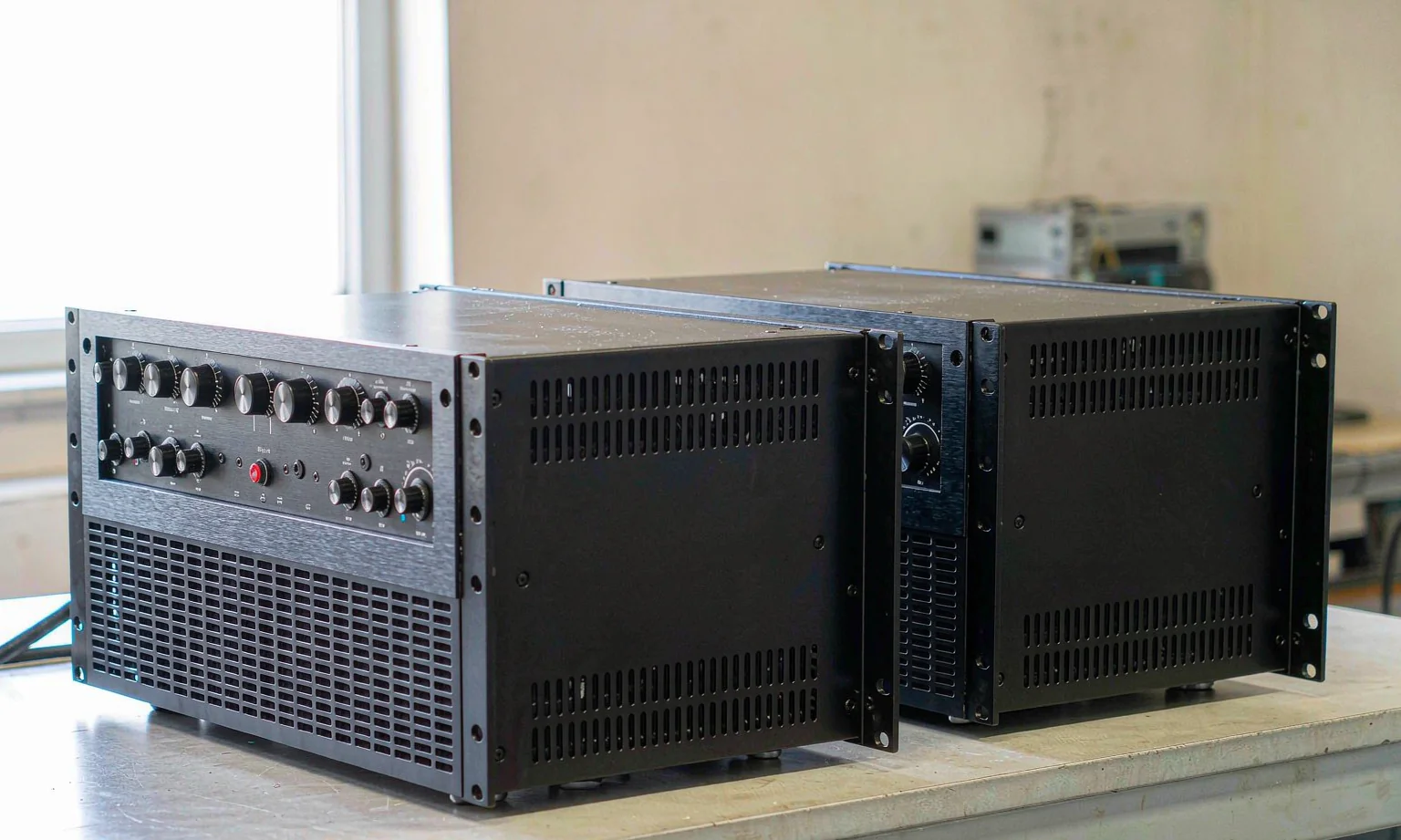
Closer Look at This Enclosure Type
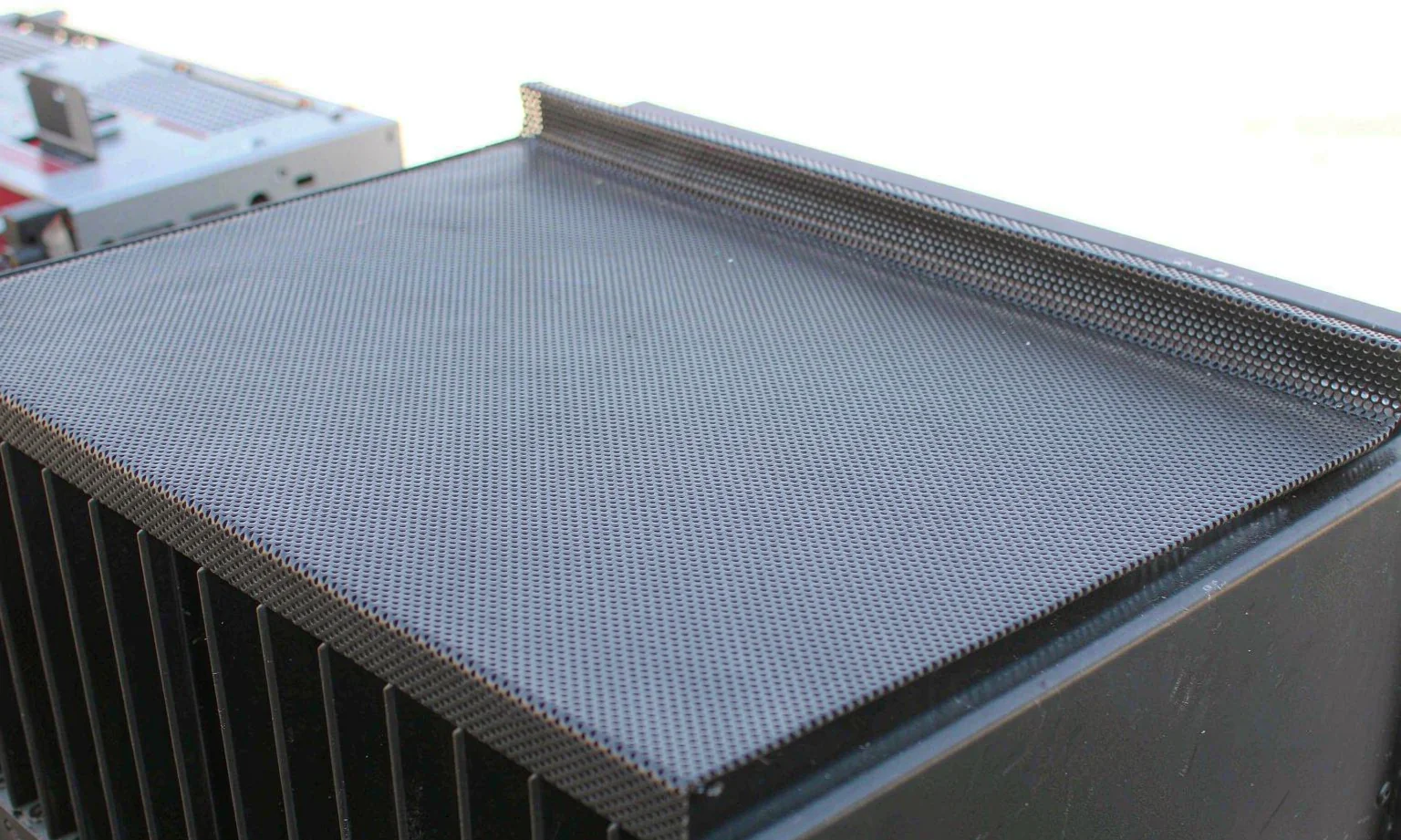
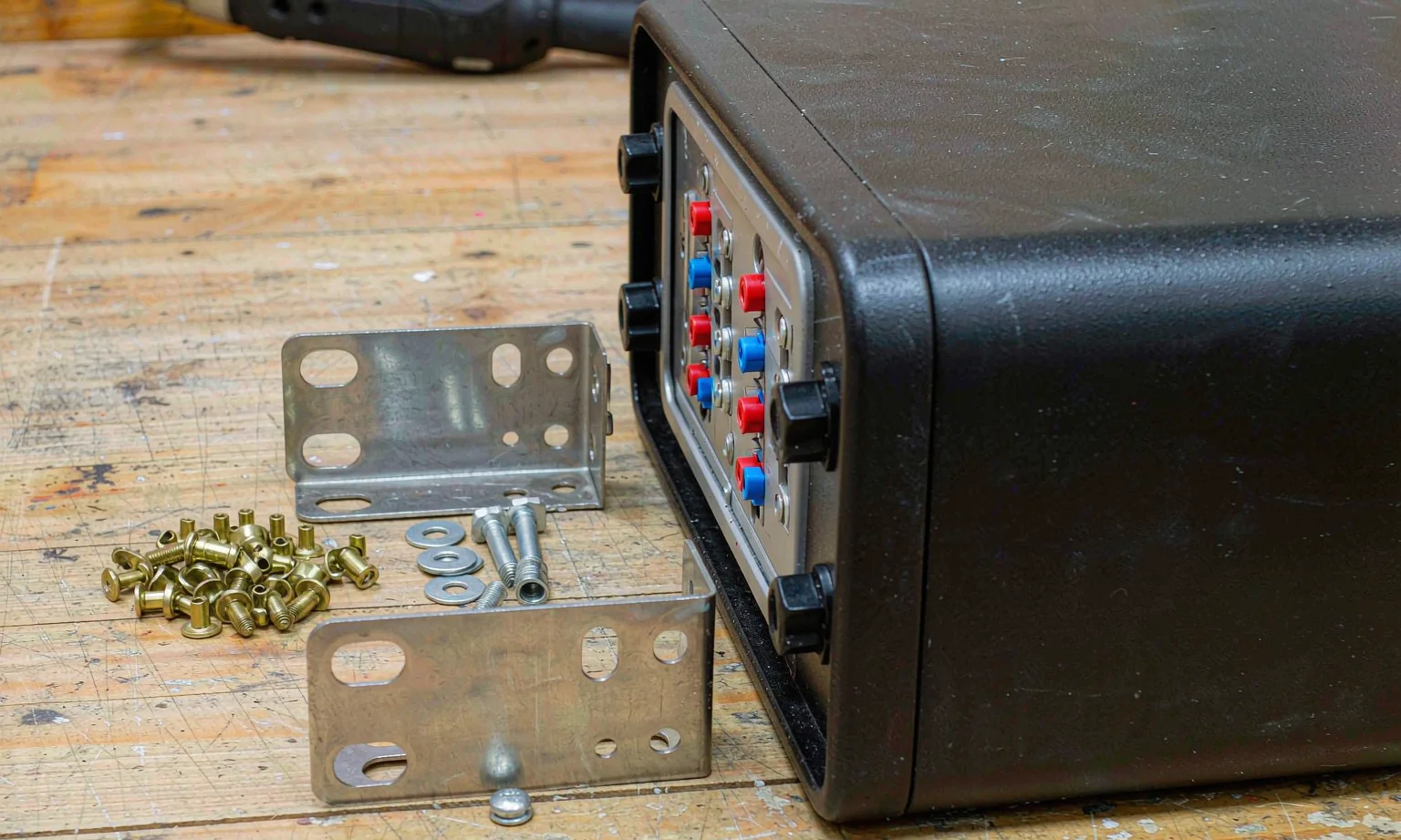
Representative photographs of the construction, interfaces and installation context for this product family.
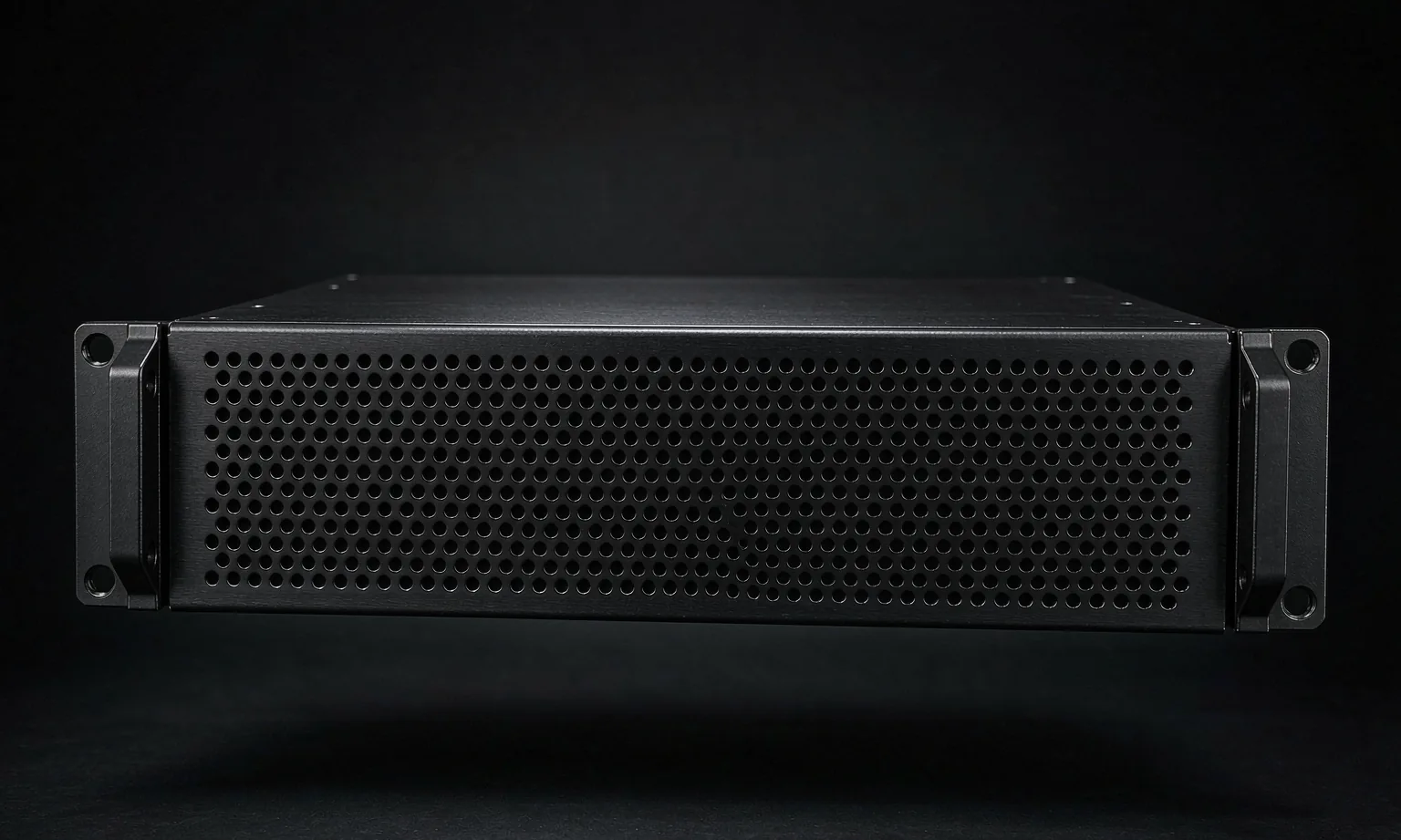

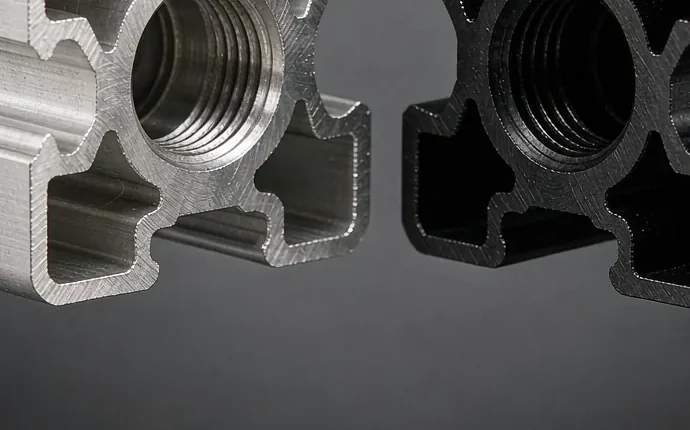
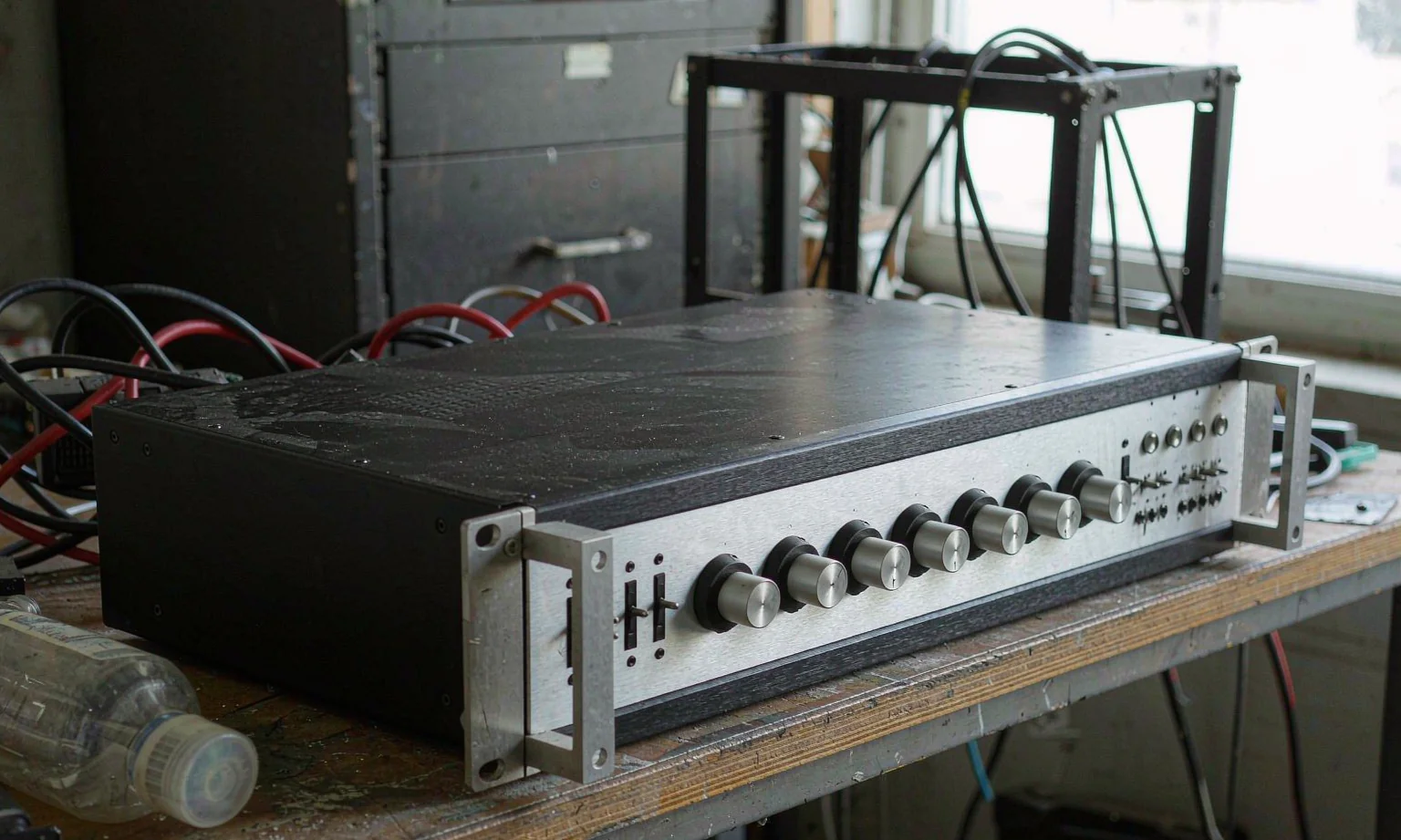
Specifications at a Glance
| Parameter | Typical Specification |
|---|---|
| Typical products | Amplifier chassis, preamp and mixer housings, 19 inch rack cases, DI and interface boxes, power supply enclosures |
| Height range | 1U to 4U rack cases; free-standing chassis from 40 mm to 200 mm high |
| Materials | Aluminum 5052/6061 1.5-3.0 mm, SPCC 0.8-1.5 mm, SUS304 for front panels |
| Vent design | Laser-cut or punched vent fields sized against your airflow requirement |
| Thermal interfacing | Mounting flats for heat-sinks, or the case acting as the heat-sink on aluminum |
| Rear panel | Connector and IEC apertures, fuse holders, Earth studs, fan cut-outs |
| Front panel | Anodized, brushed, powder coated, silk-screen or pad printed |
| Tolerance | ±0.15 mm on connector and stand-off positions, ±0.1 mm on panel fits |
| Hardware | Rack ears, rubber feet, handles, pressed inserts, captive panel screws |
| Finish | Anodizing, powder coating, brushing, or a two-tone body and front panel |
The parameters above are representative of typical projects in this category. Your drawing defines the final specification, and every quotation states the scope it covers.
Popular Configurations We Manufacture
Every size and option is customised to your drawing. Use a configuration below as a starting point for your enquiry.
Amplifier and Power Amp Chassis
Cases with heat-sink interfaces and vent fields sized for the thermal load.
| Height | Typically 1U to 4U |
| Thermal | Heat-sink flats or case-as-heat-sink |
| Vent | Cut to the airflow requirement |
19 inch Rack Cases and Rack Ears
Standard-width rack cases with removable lids and front panel provision.
| Width | 482.6 mm standard rack width |
| Lid | Removable top or base plate |
| Fixings | Rack ears, handles and feet |
Mixer, DI and Interface Boxes
Small enclosures with dense connector layouts and printed legends.
| Panels | Anodized or printed face plates |
| Density | Closely spaced connector apertures |
| Mounting | Desk, rack shelf or pedal format |
Materials, Finishes & Customisation
Chassis material
| Aluminum 5052 / 6061 | 1.5-3.0 mm — the default for amplifier cases and heat-sink bodies |
| Cold-rolled SPCC | 0.8-1.5 mm — coated cases where cost outweighs weight |
| Stainless SUS304 | 1.0-1.5 mm — front panels and rugged stage equipment |
| Galvanized SECC | 0.8-1.2 mm — internal screens and brackets |
Finish and appearance
| Anodizing | Clear, black or coloured anodized aluminum front panels |
| Brushing | Directional brushed finish under anodizing or lacquer |
| Powder coating | Textured or smooth RAL finishes for the body |
| Printing | Silk-screen or pad-printed legends and brand marks |
Thermal design
| Vent fields | Cut in the same program as the mounting holes so the pattern repeats |
| Heat-sink mount | Flatness controlled where a heat-sink is bolted to the case |
| Air path | Inlet and outlet areas set to your airflow figure rather than a fixed pattern |
How This Moves Through the Workshop
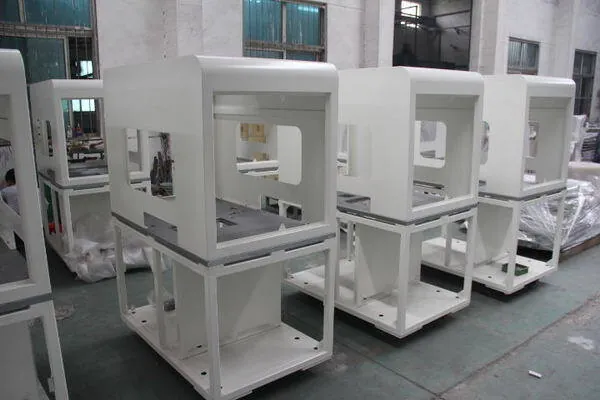
The amplifier, board and mechanical drawings are reviewed together for heat-sink interfacing, board mounting and airflow. Flat patterns are cut with vent fields and fixing holes in one program, cases are formed, and where aluminum is used, machined flats are added for heat-sink contact. Front panels are finished separately from the body so anodizing and coating do not interfere, then hardware and inserts are fitted and the case is trial-assembled before packing.
- Drawing review with DFM feedback before production release
- Fiber laser cutting of the complete flat pattern in one set-up
- CNC press-brake forming, welding and grinding
- Coating applied before gaskets, hardware and glass are fitted
- First-article and sample inspection recorded for each batch
Common Questions
Yes. Aluminum cases with defined mounting flats and a controlled wall thickness give a direct thermal path from the device to the outside surface. Send the dissipation figure and the contact area you can provide, and we will confirm the wall thickness and flatness the design needs.
We can propose a vent field with a stated open area once you give us the airflow requirement and the area available. That pattern is then cut in the same program as the mounting holes, so it stays identical from the first unit to the last.
Yes, and it usually is. Front panels are often anodized aluminum while the body is powder coated steel. The two are finished separately, which also avoids the risk of a coated panel being damaged during anodizing or the reverse.
Rear panels with high connector density are cut in one program with the board stand-off pattern in the same nest, so their relative position is fixed by the machine rather than by assembly. A first-article check against the connector drawing is standard on these panels.
Send Us Your Drawing
Tell us what you need made, the environment it works in and the quantity — we will return engineering feedback and a quotation, typically within 24 hours on working days.