Fiber Laser Cutting Services for Sheet Metal Parts
We cut flat patterns from steel, stainless steel and aluminum sheet on fiber laser, with the edge quality and hole accuracy that downstream bending and welding depend on. Where a part needs louvres, forming or many identical cut-outs, CNC turret punching runs in the same shop, so laser cutting and punching can be combined in one workflow.
What the Laser Cell Can Do
A laser cutter is only as useful as the tolerance it holds on the parts that leave it. Cutting too slowly leaves dross and heat marks; cutting too fast leaves an unfinished edge that tears when the part is bent. We set power, speed, assist gas and focus per material and thickness, then check the first part before the run continues.
Flat patterns come straight from your CAD file. Where a drawing has a radius too tight for the material, a slot that will distort when bent, or a hole placed too close to a bend line, our DFM review flags it before cutting rather than after.
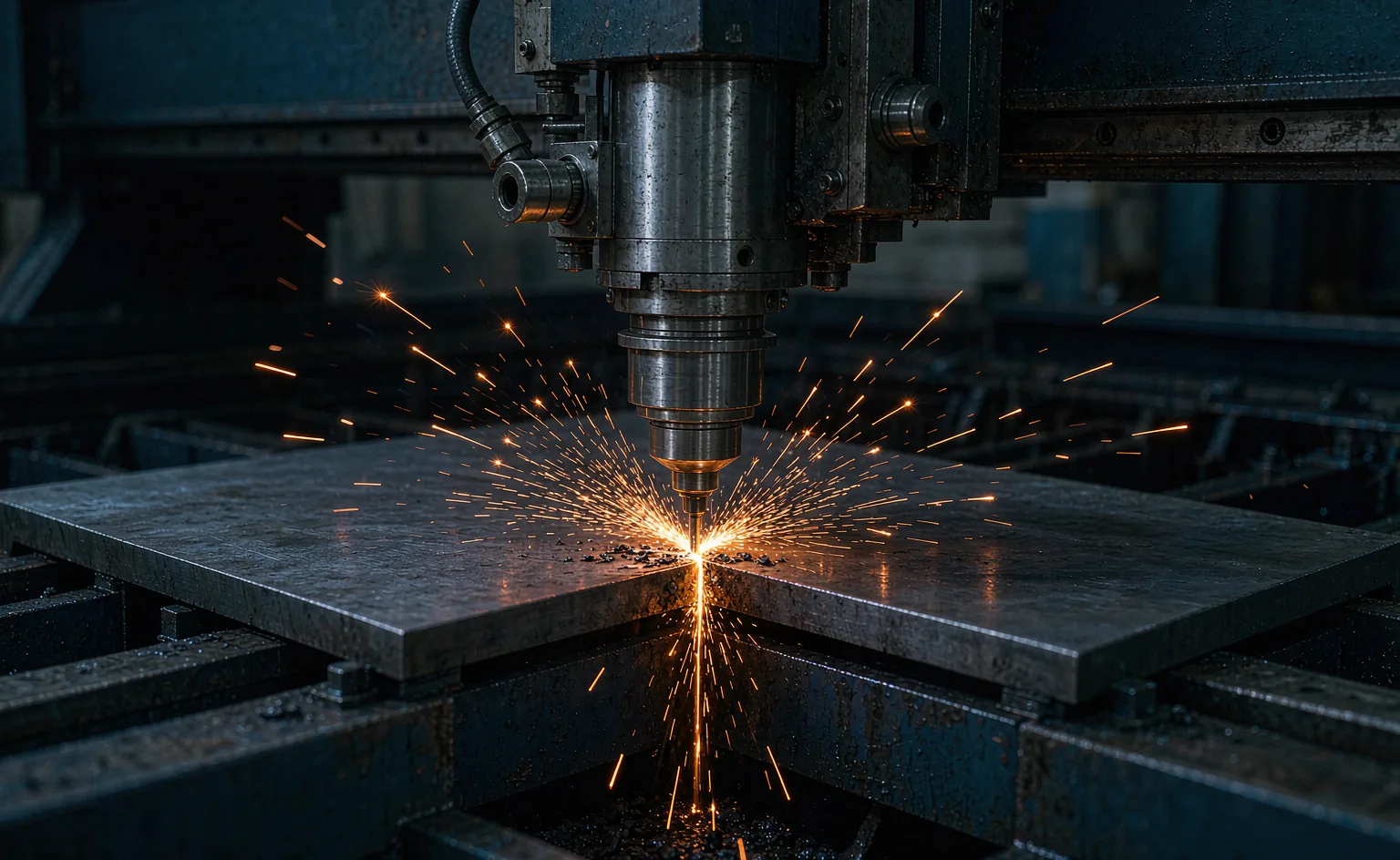
A Closer Look at This Capability
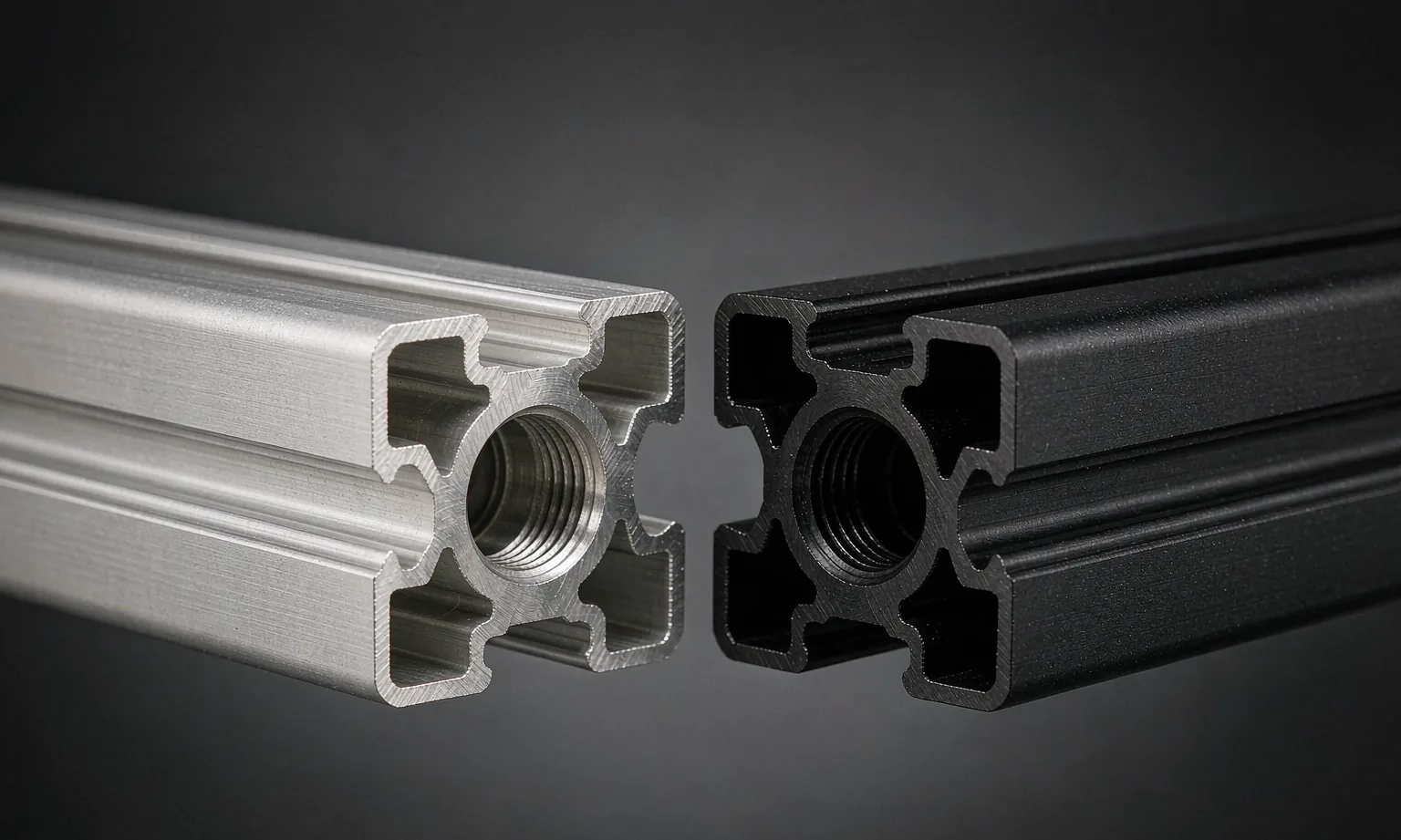
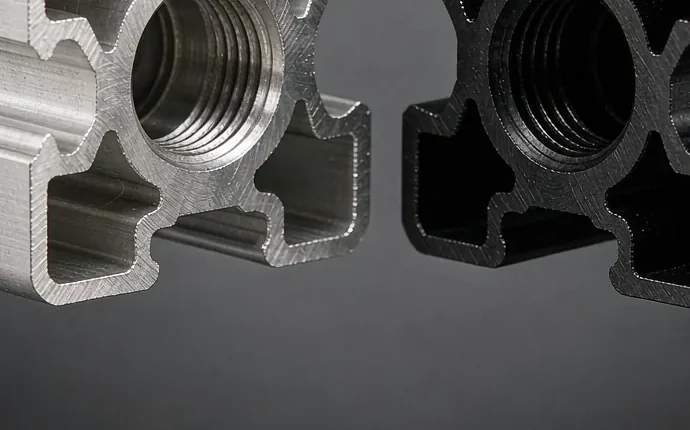
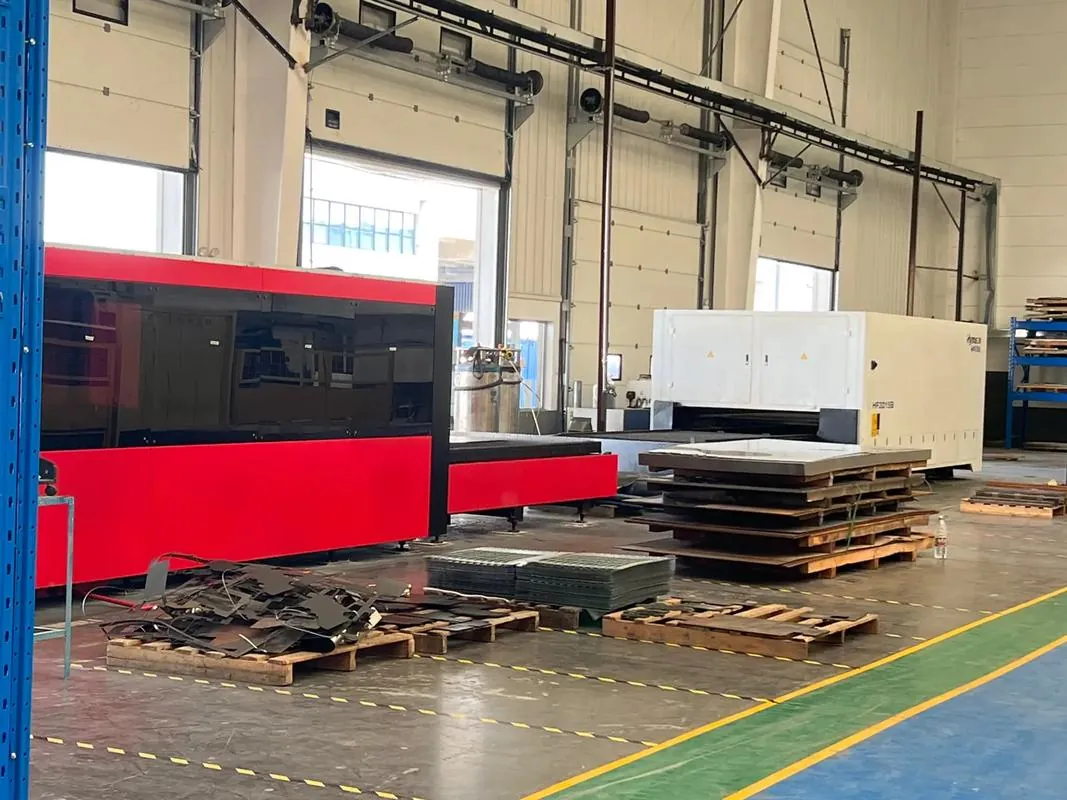
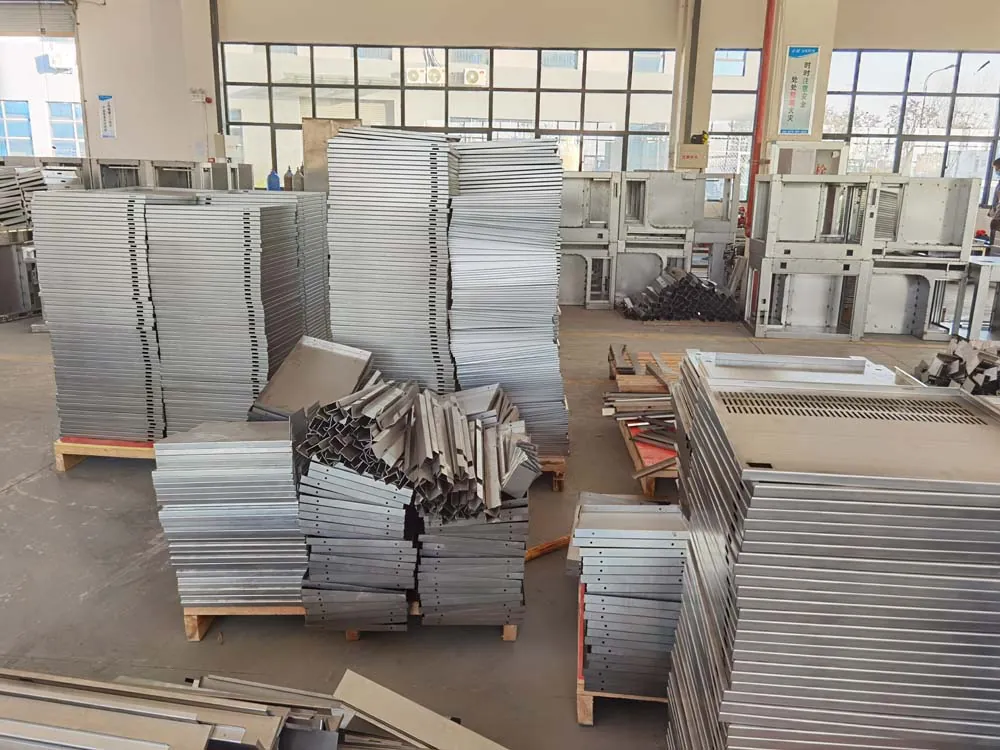
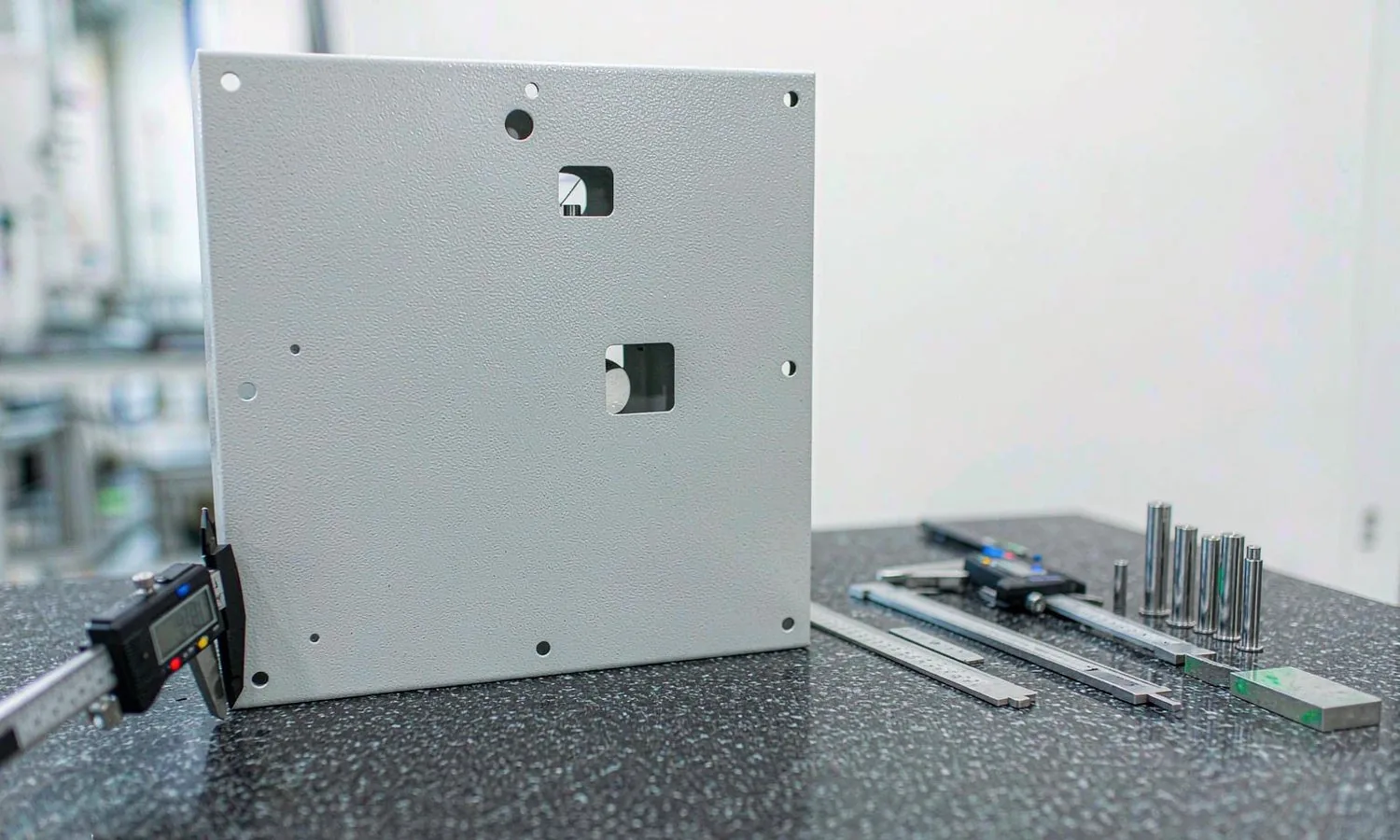
Representative photographs of the equipment, the process and the parts produced.
Specifications at a Glance
| Parameter | Typical Specification |
|---|---|
| Materials cut | Cold-rolled steel (SPCC), galvanized steel (SGCC / SECC), stainless steel 304 / 316L, aluminum 5052 / 6061 / 6063 |
| Thickness range | Carbon steel 0.5-8.0 mm; stainless steel 0.5-6.0 mm; aluminum 0.5-6.0 mm |
| Maximum sheet size | 3000 x 1500 mm — larger assemblies are nested across multiple sheets and joined by welding or fasteners |
| Typical tolerance | +/-0.1 mm on critical dimensions; +/-0.15 mm on general profiles |
| Cut edge | Clean kerf with minimal dross on most gauges, ready for bending without secondary dressing |
| Minimum hole | Around 1.0 x material thickness without a secondary drilling operation |
| Nesting | Automatic nesting to raise material yield; remnant sheets are returned to stock and reused |
| Downstream in-house | Deburring, tapping, countersinking, bending, welding, assembly and powder coating |
The parameters above are representative of typical work in this category. Your drawing defines the final specification, and every quotation states the scope it covers.
What We Do in This Area
Every job is customised to your drawing. Use these categories as a starting point for your enquiry.
Laser-Cut Flat Components
Brackets, panels, plates and gussets cut to a drawing and delivered flat, or fed straight into the next operation.
| Typical thickness | 0.5-8.0 mm |
| Common materials | SPCC, SGCC, 304/316L, 5052 |
| Edge condition | Clean, minimal dross |
Panels, Doors and Covers
Front panels, doors, base plates and covers with connector cut-outs, ventilation openings and mounting holes in a single pass.
| Typical thickness | 0.8-3.0 mm |
| Typical features | Cut-outs, vents, hole patterns |
| Next step | Bending, welding, coating |
Prototypes and Small Batches
Single-piece and low-volume cutting for design validation, using the same process that runs in series production.
| Batch size | From 1 piece |
| Lead time | Typically 3-7 working days |
| Process | Identical to series runs |
Capability, Tolerances & Documentation
Cutting capability
| Maximum sheet | 3000 x 1500 mm |
| Carbon steel | 0.5-8.0 mm |
| Stainless steel | 0.5-6.0 mm |
| Aluminum | 0.5-6.0 mm |
| Critical tolerance | +/-0.1 mm |
Edge and finish
| Deburring | Available on request |
| Tapping | Metric and imperial |
| Countersinking | For flush fasteners |
| Surface | As-cut, or coated after forming |
Files accepted
| 3D models | STEP, IGES, X_T |
| 2D drawings | DXF, DWG, PDF |
| Notes | Tolerance and finish on the drawing |
Where This Fits in the Production Route
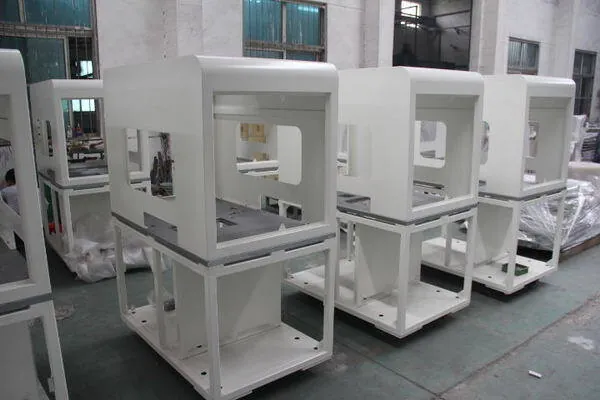
A laser-cut part is judged by what happens after cutting. Flat patterns are nested, cut, then checked against the drawing before they move to the press brake. Cut edges are deburred where handling or coating requires it, holes are tapped or countersunk, and parts are bundled by drawing number so the next operation never has to guess which piece belongs to which assembly. When you send a drawing, we return a cut plan with the material, thickness, nesting assumption and any DFM note that would change the design.
- Drawing review with DFM feedback before production release
- Fiber laser cutting of the complete flat pattern in one set-up
- CNC press-brake forming, welding and grinding
- Coating applied before gaskets, hardware and glass are fitted
- First-article and sample inspection recorded for each batch
Common Questions
Up to 3000 x 1500 mm on a single sheet. Larger parts are designed as two or more pieces that are welded or bolted together, which is normal for large cabinet and skid panels.
We quote +/-0.1 mm on critical dimensions and +/-0.15 mm on general profiles. The tolerance you can actually achieve also depends on material thickness and part geometry, so the drawing is the reference.
Yes. Single parts and small batches run on the same equipment as series orders, so the piece you approve at prototype stage is produced the same way at volume.
Programming and nesting are part of the quotation for the parts. They are not billed as a separate line unless a project requires unusual tooling or a special fixture.
STEP or IGES for 3D models, DXF or DWG for flat patterns, and a PDF drawing with tolerances and finish notes. If you only have a PDF, we will confirm the geometry with you before cutting.
Yes — cutting, forming, welding and powder coating all run in-house, so a laser-cut panel can leave as a finished, coated part without a second supplier in the chain.
Send Us Your Drawing
Tell us what you need made, the environment it works in and the quantity — we will return engineering feedback and a quotation, typically within 24 hours on working days.