Cold-Rolled and Galvanized Steel Fabrication
Most enclosures are built from cold-rolled or galvanized steel. Choosing between them is a corrosion decision, and it changes how you cut, weld and finish the part.
Choosing Between SPCC and Coated Steel
Cold-rolled steel (SPCC) is the cleanest surface to work with: it cuts and forms predictably, takes powder coating well, and costs least. Its weakness is corrosion — an uncoated edge or a scratch will rust, so the finished part depends on its coating. Galvanized steel brings its own zinc protection, which is why it suits outdoor and sheltered-external enclosures where the coating might be scratched in service.
The trade-off is in the workshop. Galvanized sheet releases zinc fume when welded, so joints must be planned, ventilation and process controlled, and the coating at the weld removed and restored. Laser cutting galvanized sheet produces a different edge than cold-rolled. Knowing which material a part is going into lets us plan the route, rather than discovering the problem at the welding bay.
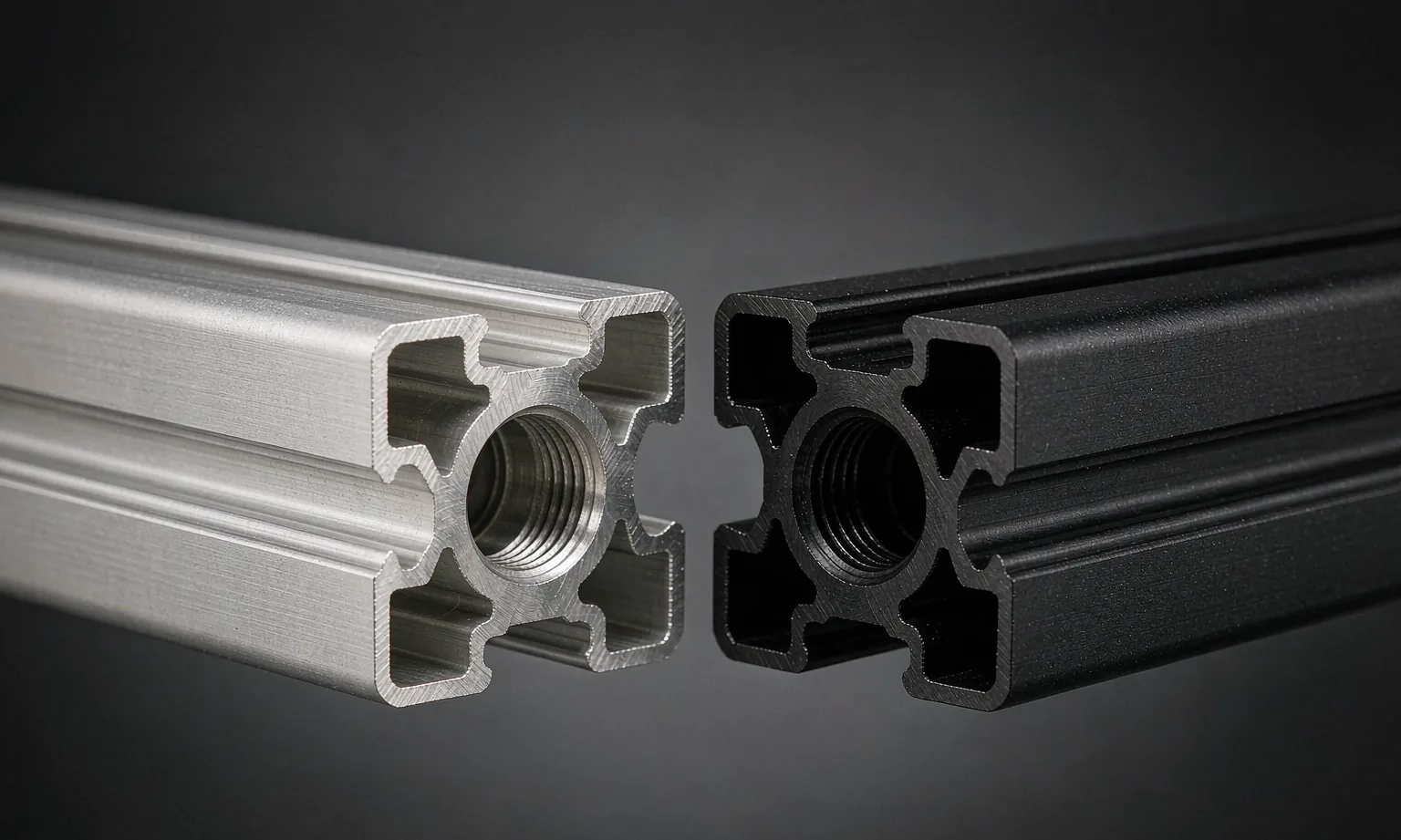
A Closer Look at This Capability
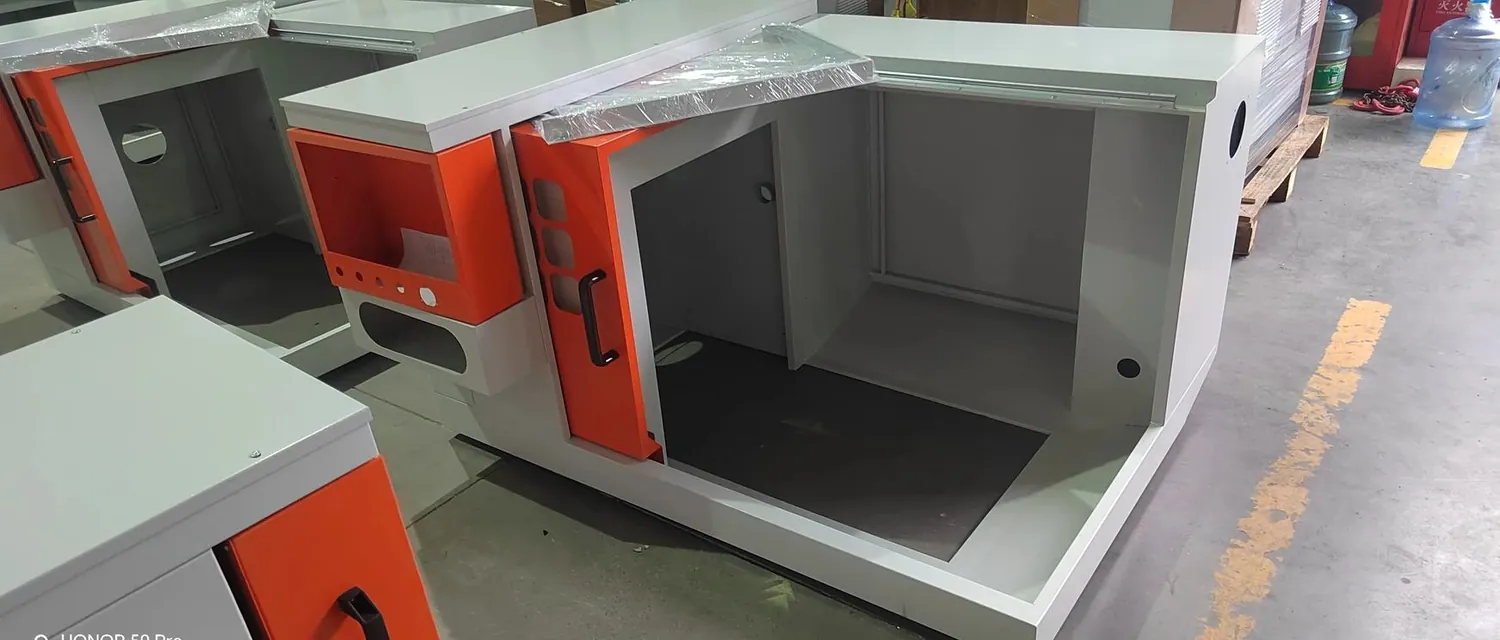
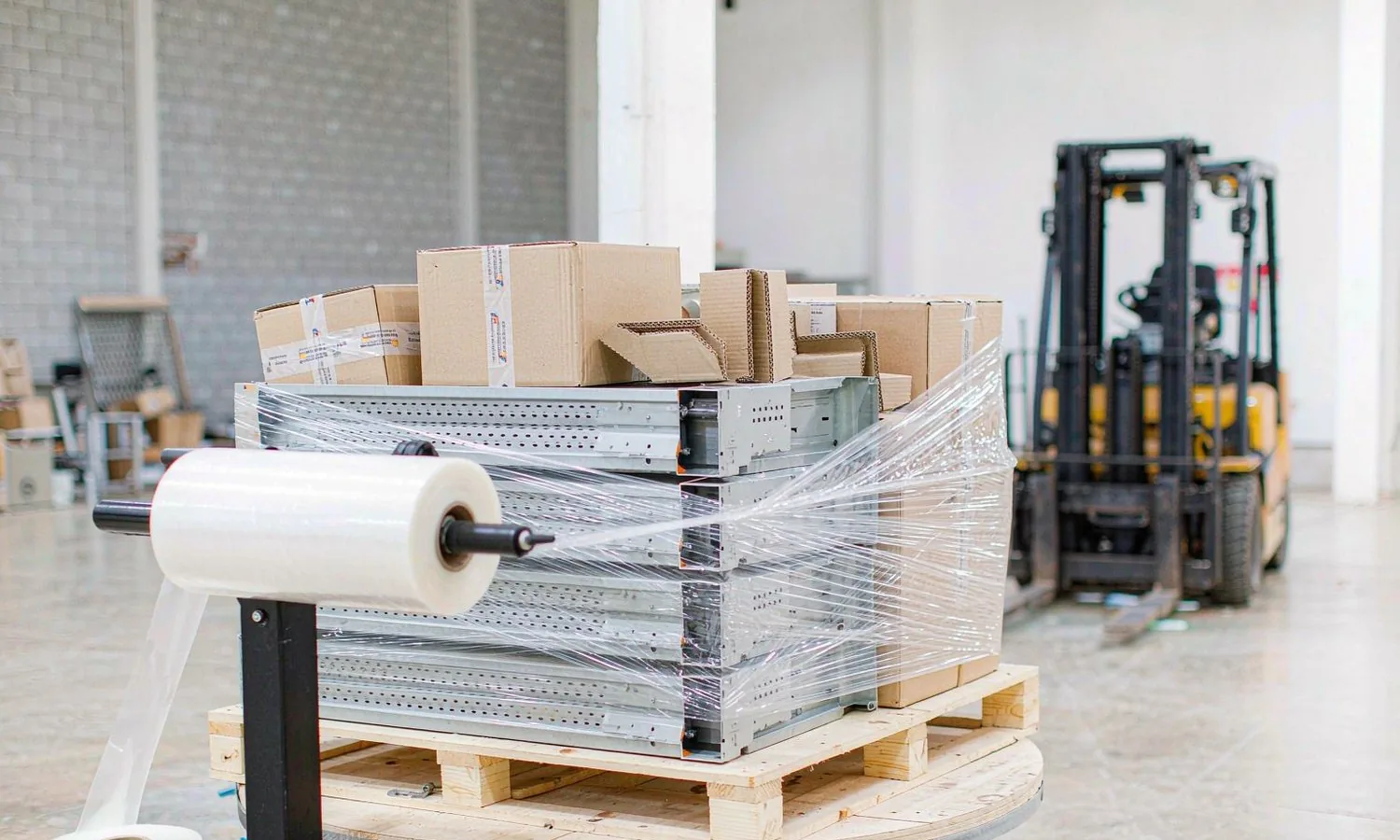
Representative photographs of the equipment, the process and the parts produced.
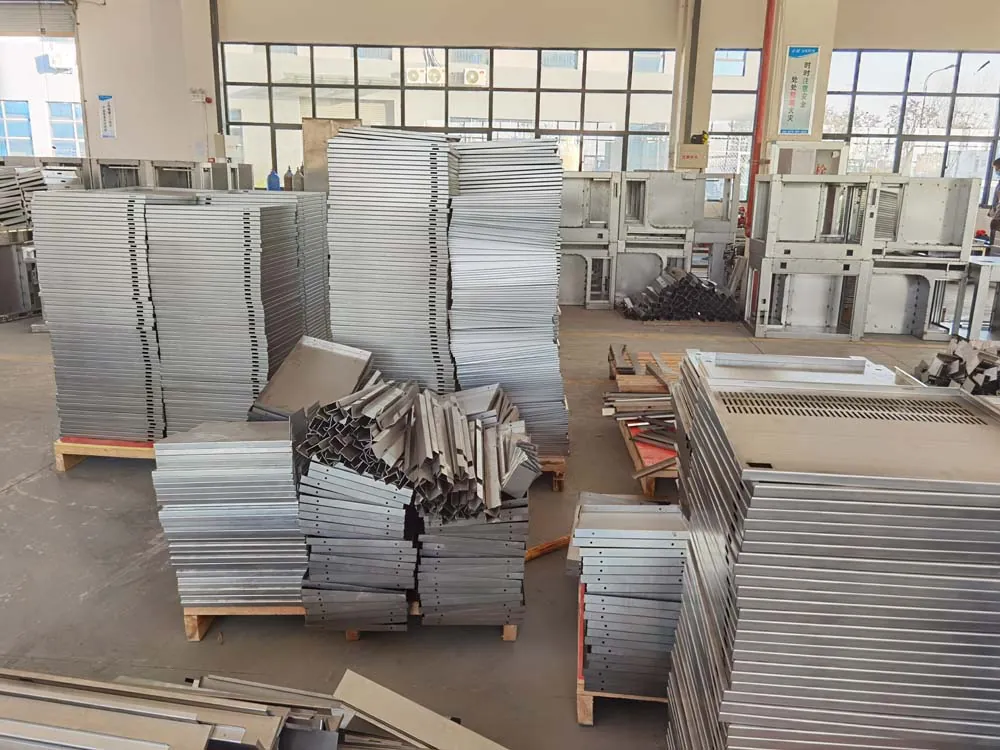
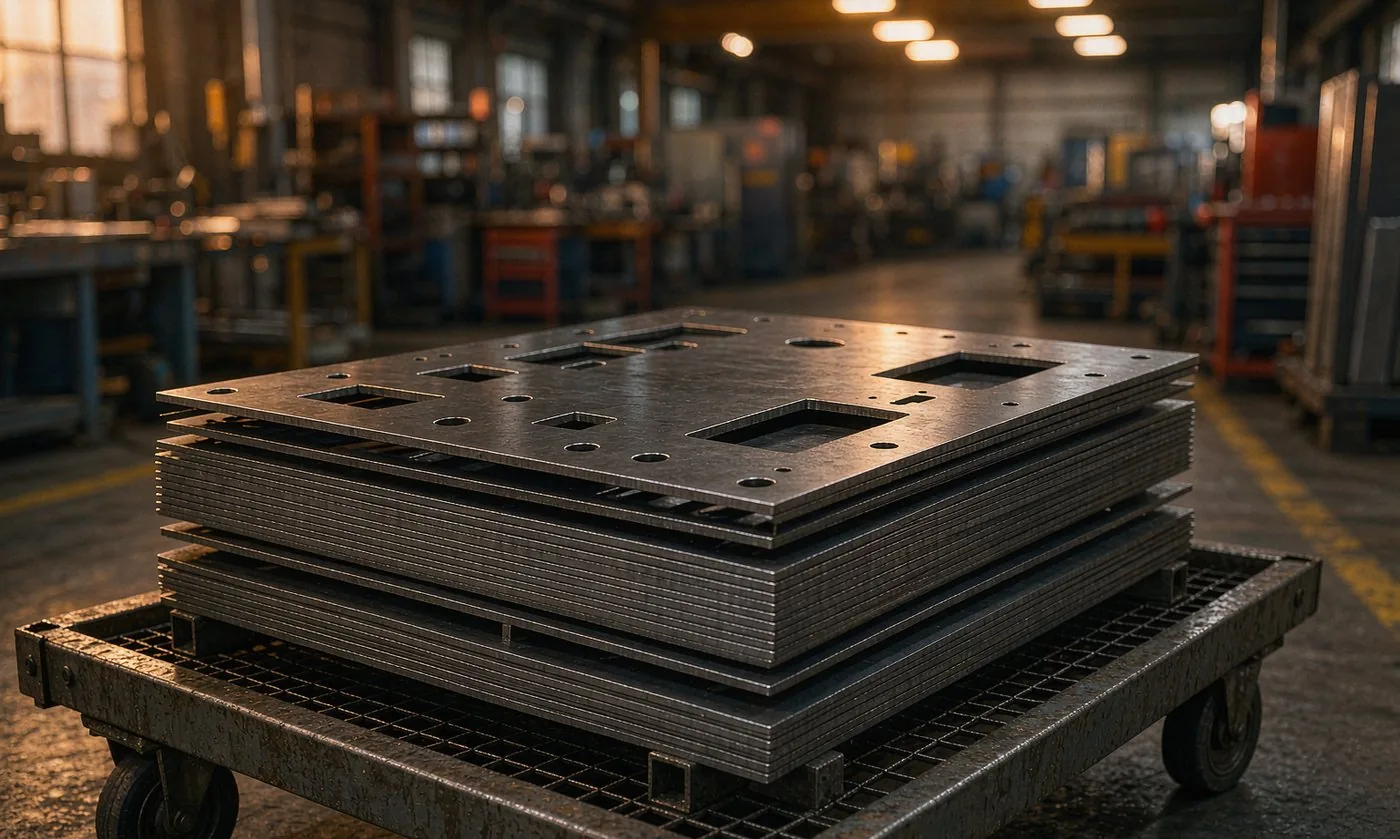
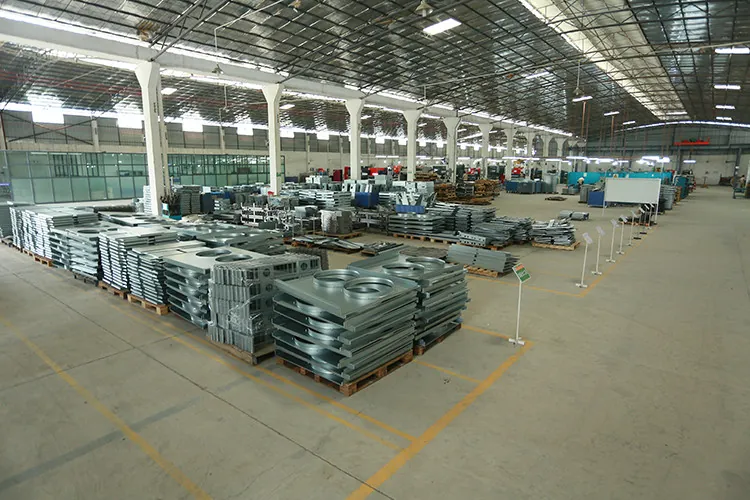
Specifications at a Glance
| Parameter | Typical Specification |
|---|---|
| Cold-rolled (SPCC) | Smooth surface, excellent paint and powder adhesion, lowest cost — the default for indoor enclosures and panels |
| Galvanized (SGCC) | Zinc-coated steel with sacrificial corrosion protection, suited to sheltered outdoor and humid environments |
| Electro-galvanized (SECC) | Electro-deposited zinc with a smoother finish than hot-dip, suitable for painted parts needing corrosion protection at edges |
| Thickness range | 0.5-8.0 mm depending on material and application |
| Cutting | Fiber laser cutting with settings matched to coated and uncoated steel |
| Welding | Carbon steel MIG and spot welding; galvanized material requires process control for zinc fume and weld restoration |
| Finishing | Powder coating in the full RAL range, plus zinc plating and other finishes on request |
| Applications | Electrical enclosures, control cabinets, chassis, brackets, panels and general fabricated parts |
The parameters above are representative of typical work in this category. Your drawing defines the final specification, and every quotation states the scope it covers.
What We Do in This Area
Every job is customised to your drawing. Use these categories as a starting point for your enquiry.
Cold-Rolled Steel Parts
The default material for enclosures that will be coated: predictable forming and the best coating adhesion.
| Surface | Smooth |
| Coating | Excellent adhesion |
| Typical use | Indoor enclosures |
Galvanized Steel Parts
Zinc protection that continues to work where the coating is damaged, for outdoor and humid environments.
| Protection | Sacrificial zinc |
| Typical use | Outdoor and humid |
| Note | Welding needs process control |
Electro-Galvanized Parts
Smoother zinc coating for parts that will be painted but still need corrosion protection at exposed edges.
| Surface | Smoother than hot-dip |
| Typical use | Painted parts |
| Note | Good edge protection |
Capability, Tolerances & Documentation
Materials
| SPCC | Cold-rolled steel |
| SGCC | Hot-dip galvanized |
| SECC | Electro-galvanized |
| Thickness | 0.5-8.0 mm |
Processing notes
| Cutting | Laser, material-specific |
| Welding | Process control on galvanized |
| Forming | Standard tooling |
| Finishing | Powder coating, plating |
Selection guide
| Indoor, coated | SPCC |
| Outdoor, sheltered | SGCC / SECC |
| Cost priority | SPCC |
| Edge corrosion risk | Galvanized |
Where This Fits in the Production Route
Steel selection is confirmed with the drawing, because the material changes the route. Cold-rolled sheet goes straight through cutting, forming, welding and coating. Galvanized sheet needs additional care: welding is planned for zinc fume control, the affected zone is dressed and restored so the corrosion protection is not lost at the joint, and the finished part is packed so the coating is not scratched in transit. Where a part will be installed outdoors, we confirm whether the protection comes from the coating or from the substrate before anything is cut.
- Drawing review with DFM feedback before production release
- Fiber laser cutting of the complete flat pattern in one set-up
- CNC press-brake forming, welding and grinding
- Coating applied before gaskets, hardware and glass are fitted
- First-article and sample inspection recorded for each batch
Common Questions
SPCC is cold-rolled steel with no coating — smooth, low-cost and ideal for parts that will be powder coated. SGCC is hot-dip galvanized steel with a zinc layer that provides sacrificial corrosion protection, suited to sheltered outdoor and humid environments.
Yes, with process control. Welding releases zinc fume, so the process and ventilation are managed, and the coating at the joint is removed and restored afterwards so corrosion protection is not lost at the weld.
It depends on the exposure. Galvanized steel adds protection where the coating may be scratched, while cold-rolled steel with a good powder coating system is sufficient for many sheltered applications. We confirm the choice against the installation environment.
It can, with correct pre-treatment. The pre-treatment differs from cold-rolled steel, which is why the material is confirmed before finishing rather than at the booth.
0.5 mm to 8.0 mm depending on the material and the application, from thin enclosure panels to thicker brackets and plates.
Yes. Both are cut on the same equipment with material-specific settings, and parts are identified by drawing number so they are not mixed during forming, welding or finishing.
Send Us Your Drawing
Tell us what you need made, the environment it works in and the quantity — we will return engineering feedback and a quotation, typically within 24 hours on working days.