Instrument & Portable Cases
Desktop instrument housings, handheld and portable cases, transit enclosures and carrying frames — light enough to move, stiff enough to survive being moved, and finished so the product looks right on a bench.
Small Parts, Tight Tolerances
A small enclosure amplifies every error. On a 300 mm instrument case the panel gap, the corner radius and the position of a single connector are all visible at arm's length, and there is no structure behind them to hide a poor fit.
We build small cases with the same process as large ones: laser-cut flat patterns, press-brake forming with radiused corners, dressed welds where they show, and hardware fitted before delivery. Where a case has to be carried, handles, corner protection and transit protection are part of the build rather than an afterthought.

Closer Look at This Enclosure Type
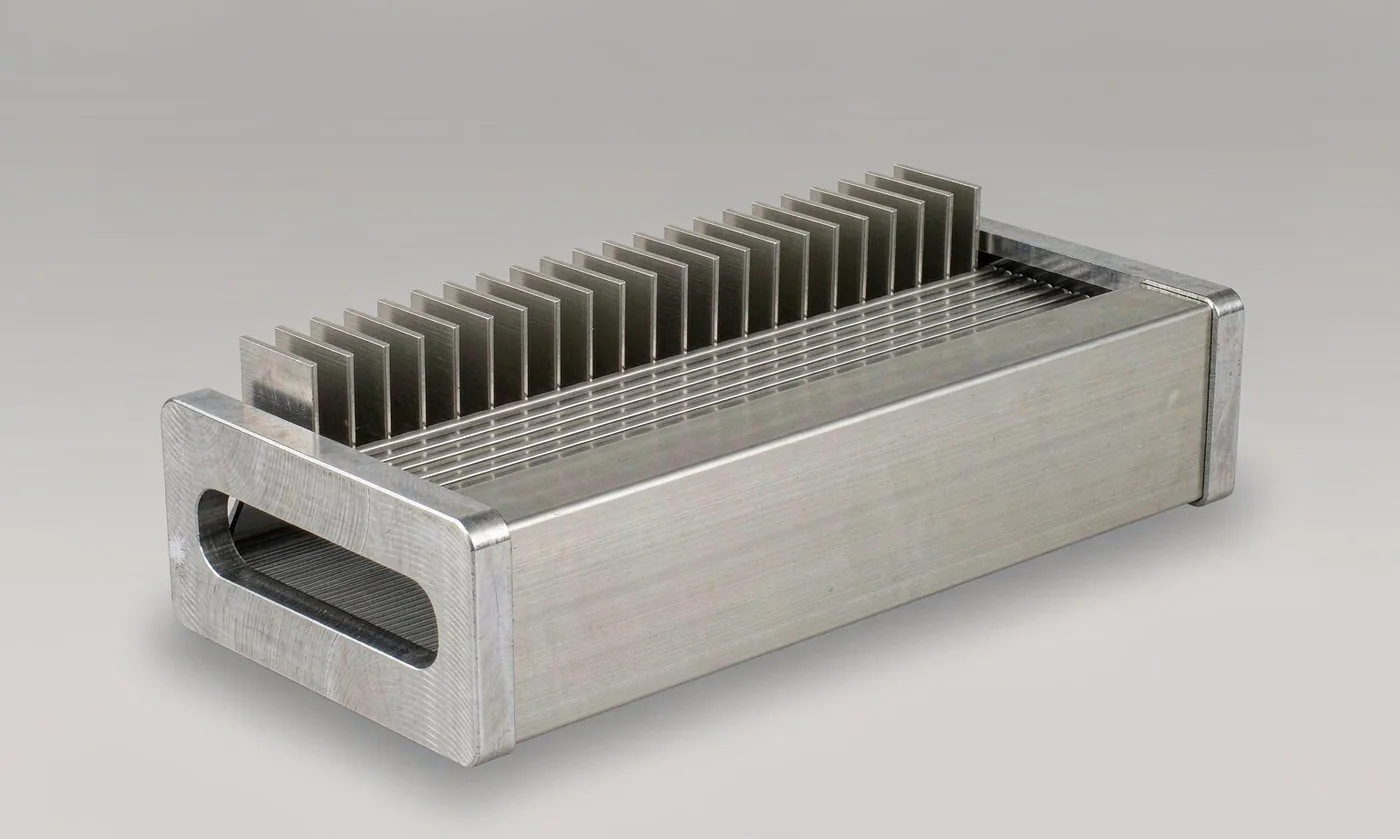
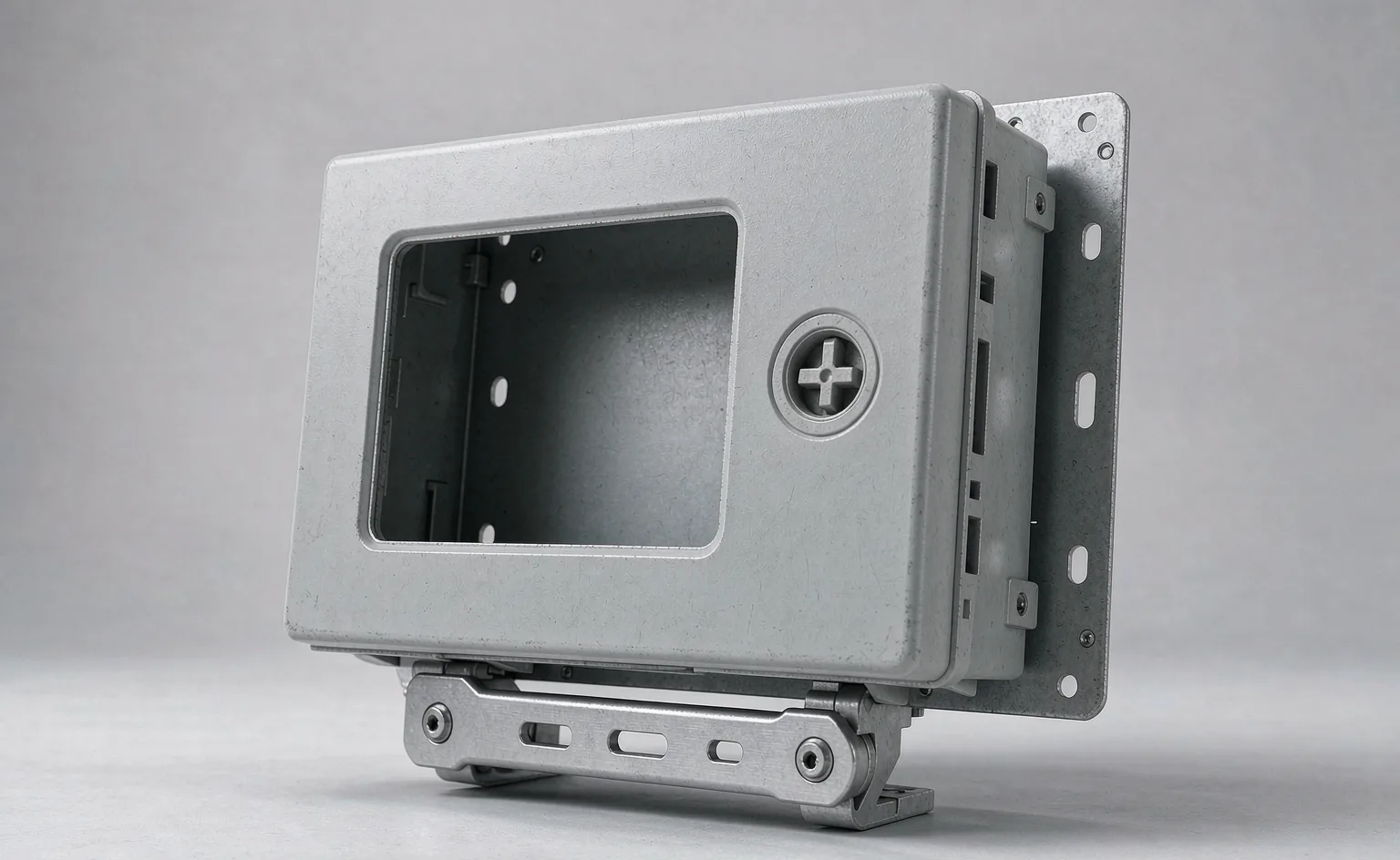
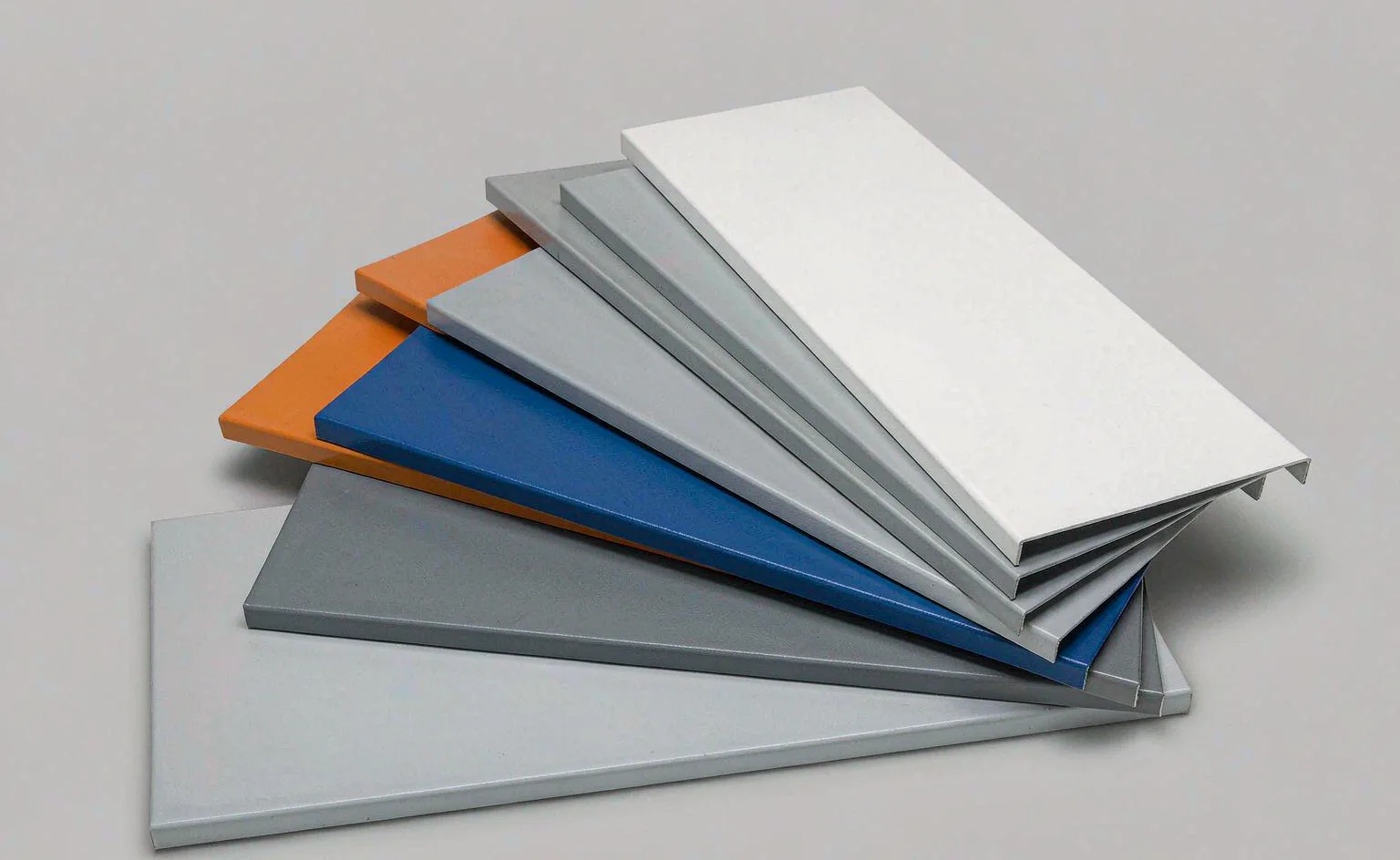
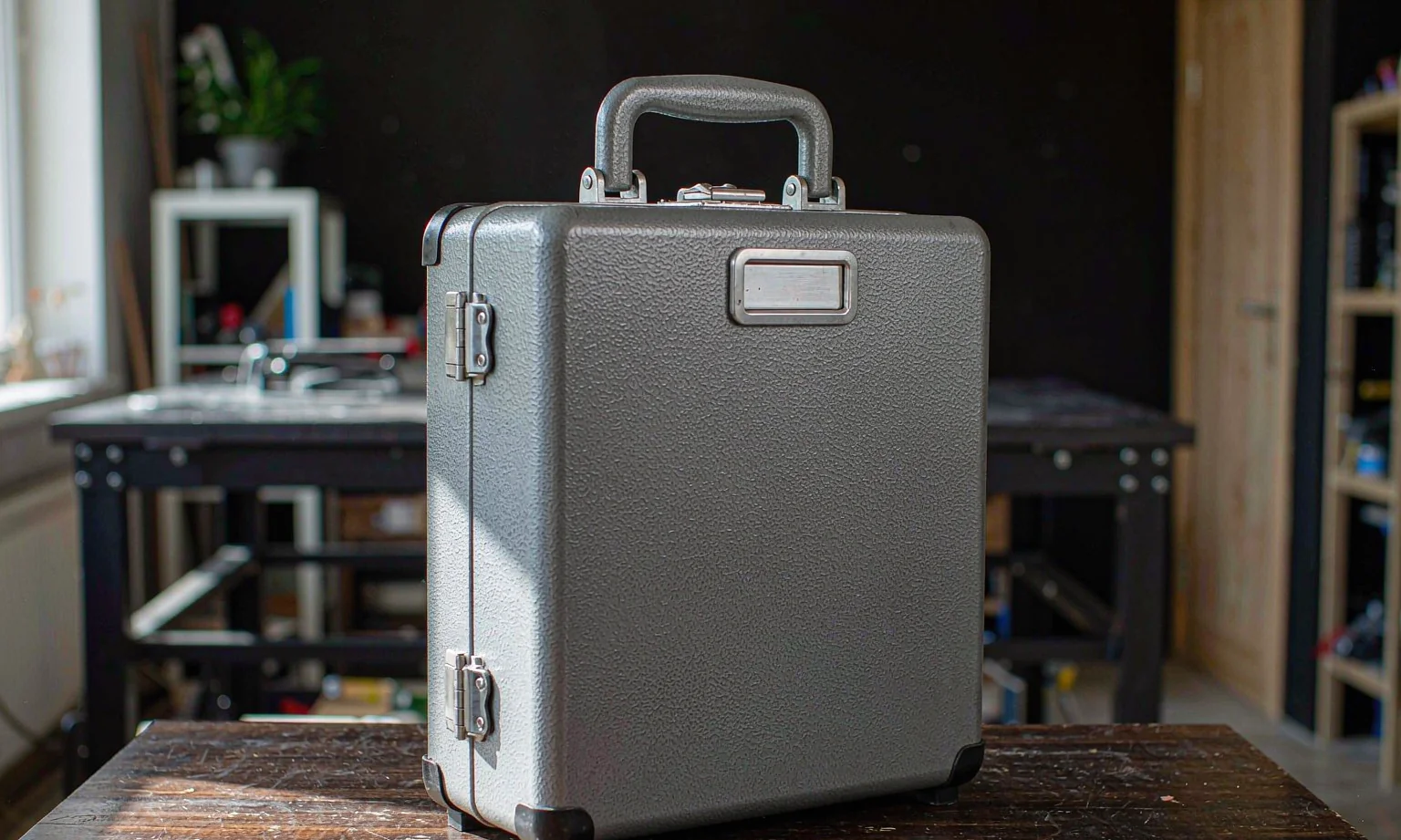
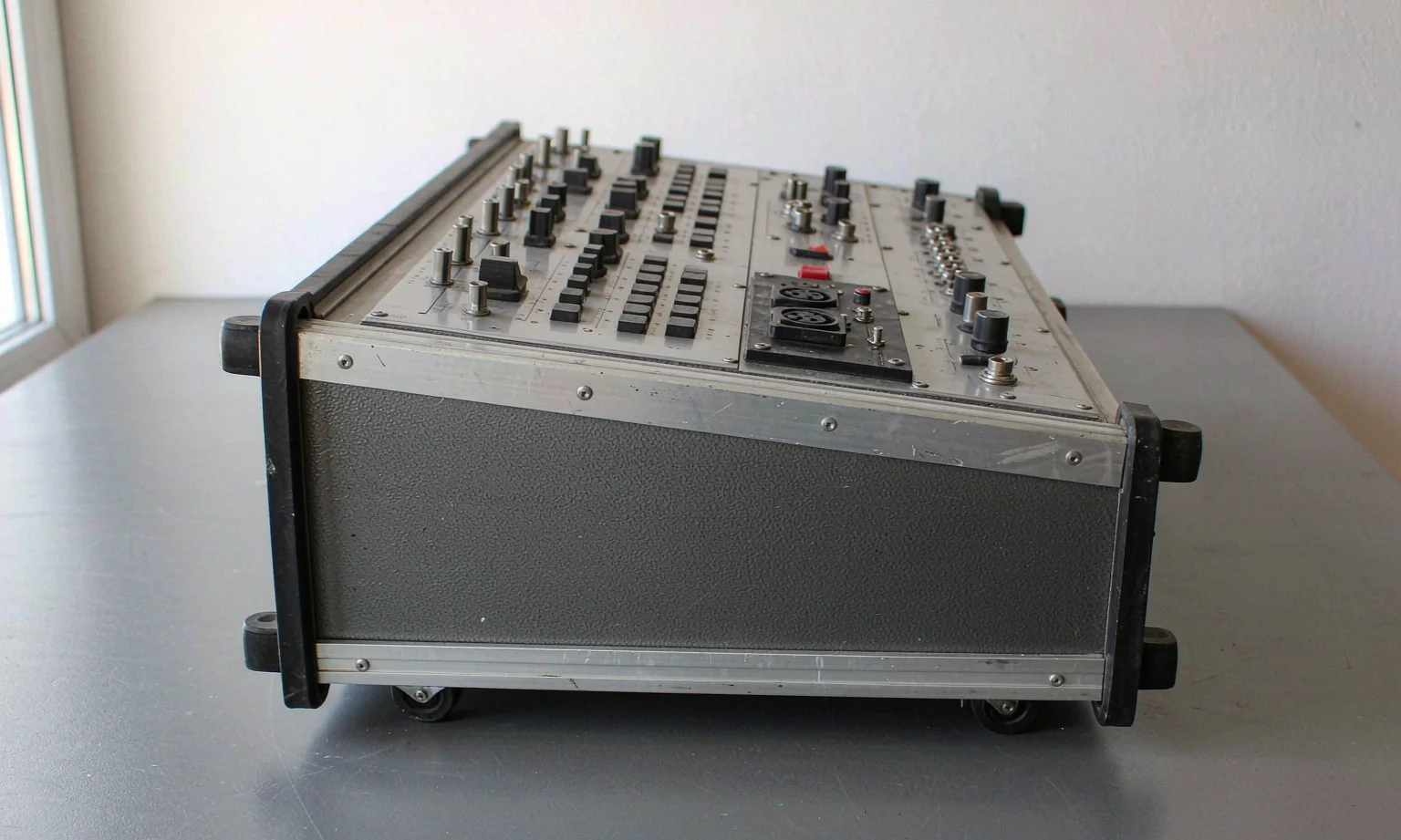
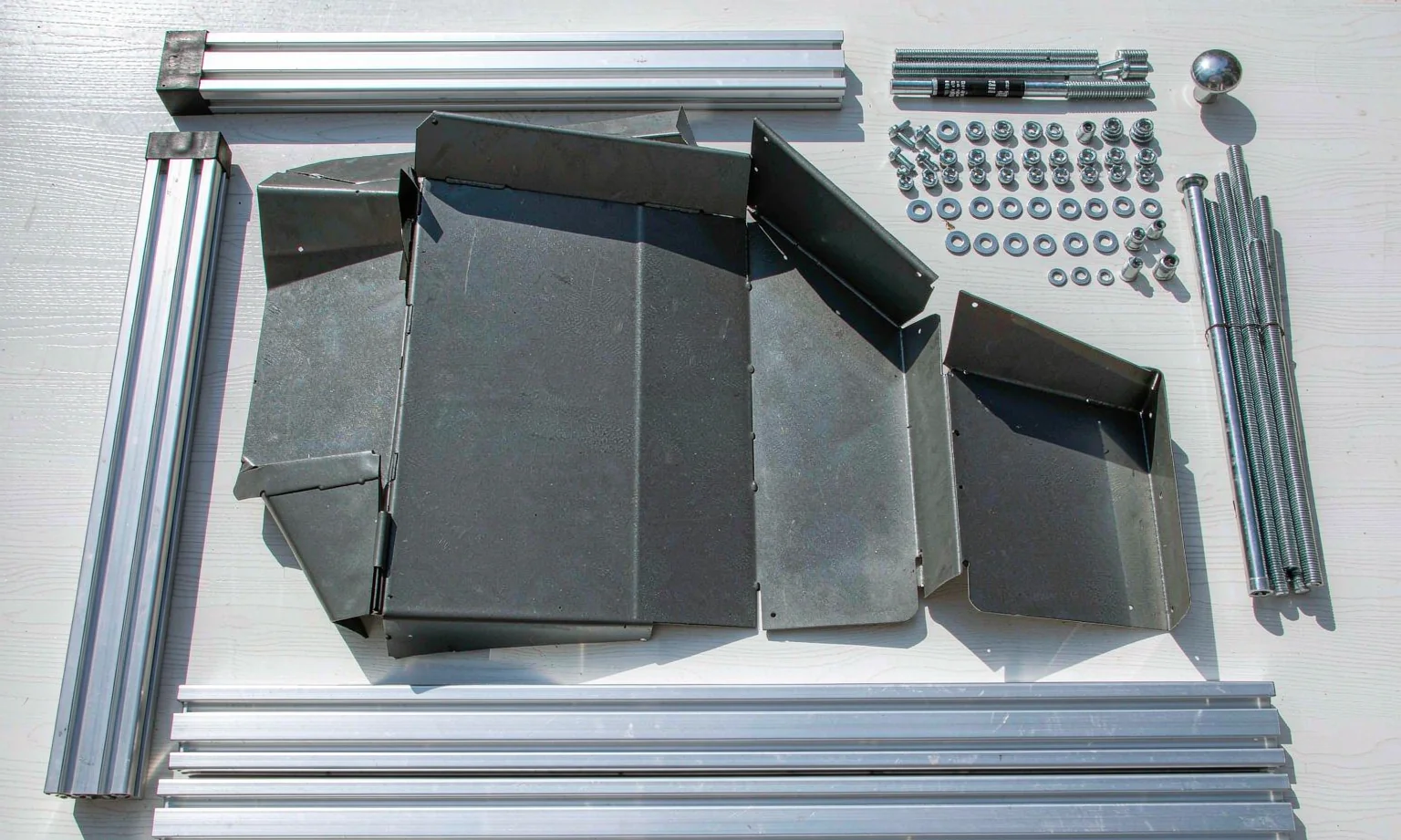
Representative photographs of the construction, interfaces and installation context for this product family.
Specifications at a Glance
| Parameter | Typical Specification |
|---|---|
| Typical products | Desktop instrument housings, handheld cases, portable test enclosures, transit cases, carrying frames for field equipment |
| Size range | From roughly 100 x 60 x 40 mm handheld cases up to 500 x 400 x 200 mm desktop housings |
| Materials | Aluminum 5052/6061 1.0-2.0 mm, SPCC 0.8-1.5 mm, SUS304 0.8-1.5 mm |
| Corner treatment | Radiused or chamfered corners, hemmed edges, welded and dressed joints |
| Front panel | Anodized, brushed, printed or coated, with provision for membrane overlays |
| Handles | Folding handles, side handles, corner bumpers, rubber feet, shoulder fittings |
| Tolerance | ±0.1 mm on panel and interface features, ±0.2 mm typical on formed angles |
| Finish | Anodizing, powder coating, brushed stainless, or a two-tone housing |
| Weight | Aluminum construction where low mass matters for portable products |
| Delivery | Flat kit, part-assembled, or fully assembled with hardware and fittings |
The parameters above are representative of typical projects in this category. Your drawing defines the final specification, and every quotation states the scope it covers.
Popular Configurations We Manufacture
Every size and option is customised to your drawing. Use a configuration below as a starting point for your enquiry.
Desktop Instrument Housings
Benchtop cases with front panel provision and internal mounting.
| Construction | Folded body with removable top or base |
| Front panel | Anodized, printed or coated |
| Feet | Rubber feet or tilt stands |
Handheld and Portable Cases
Compact cases with edge protection and controls on the face.
| Size range | Approx 100-400 mm in the longest dimension |
| Features | Corner bumpers, grip areas, sealed joints |
| Finish | Textured powder coat or anodized aluminum |
Transit and Carrying Frames
Frames and cases that protect equipment during transport and storage.
| Structure | Ribbed or doubled panels for stiffness |
| Protection | Foam provision and corner reinforcement |
| Handling | Folding handles or side grips |
Materials, Finishes & Customisation
Case material
| Aluminum 5052 / 6061 | 1.0-2.0 mm — light portable and desktop cases |
| Cold-rolled SPCC | 0.8-1.5 mm — coated cases where cost leads |
| Stainless SUS304 | 0.8-1.5 mm — rugged and hygienic instrument cases |
| Polycarbonate windows | Bonded windows and overlays where visibility is required |
Finish and appearance
| Anodizing | Clear, black or coloured aluminum with a durable surface |
| Powder coating | Textured or smooth finishes that hide small handling marks |
| Brushing | Directional finish for a metal-look front panel |
| Printing | Silk-screen legends, control markings and brand marks |
Handling features
| Handles | Folding, fixed or side handles fitted before delivery |
| Protection | Corner bumpers and edge mouldings where impacts are likely |
| Storage | Internal brackets or foam provision for boards and accessories |
How This Moves Through the Workshop
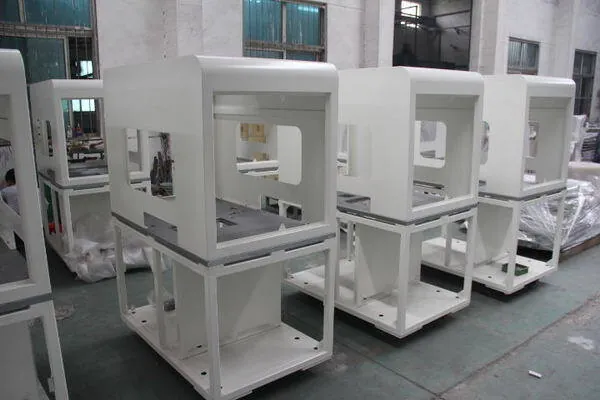
Small housings are reviewed for corner radii, panel gaps and service access before cutting, because these are the details that show. Flat patterns are laser cut and formed with radiused corners, visible joints are welded and dressed, and the case is checked for squareness and gap before finishing. Front panels and bodies are finished separately, printed where required, then hardware, handles and fittings are assembled and the case is inspected against the drawing.
- Drawing review with DFM feedback before production release
- Fiber laser cutting of the complete flat pattern in one set-up
- CNC press-brake forming, welding and grinding
- Coating applied before gaskets, hardware and glass are fitted
- First-article and sample inspection recorded for each batch
Common Questions
Yes. Laser cutting and press-brake forming do not need a die, so a first-off case can be produced as a single unit and the same program then runs the production batch. Tooling cost is limited to any special press-brake tooling the geometry requires.
Corners are formed with a radius, or built from a folded and welded joint that is dressed flush where the corner is visible. Very small radii on thick material are limited by the press-brake tooling, and we confirm the achievable radius at drawing review.
We provide the mechanical provision — recess, flat land, aperture and legend printing — so a membrane or overlay can be fitted. The membrane switch itself is usually handled by you or a specialist supplier, and we confirm the recess depth and tolerance to suit it.
Aluminum is the usual choice where weight matters, with 1.25 to 2.0 mm wall thickness giving a good stiffness-to-mass balance. Coated steel is chosen when cost leads and the case is not carried far. Stainless is used when the environment is corrosive or the case is treated roughly.
Send Us Your Drawing
Tell us what you need made, the environment it works in and the quantity — we will return engineering feedback and a quotation, typically within 24 hours on working days.