Stainless Steel Sheet Metal Fabrication
Stainless forgives the environment but not the process. Heat input, contamination and finish discipline decide whether the part still looks like stainless after a year of service.
304, 316L and the Discipline They Require
Grade choice is the first decision. 304 covers most indoor and general-purpose stainless work. 316L adds molybdenum for chloride and marine exposure, and its low carbon content makes it the safer choice where welds must keep their corrosion resistance. Choosing 316L when 304 would do adds cost for no benefit; choosing 304 for a coastal installation is a corrosion failure waiting to happen.
The second decision is the finish, and it is a process decision, not a cosmetic one. A #4 brushed finish demands that scratches be avoided through every operation. A sanitary finish demands that weld joints be ground, blended and passivated so there is no crevice to hold product. Both are achievable, but they require the workshop to handle the part as a finished surface from the moment it is cut.
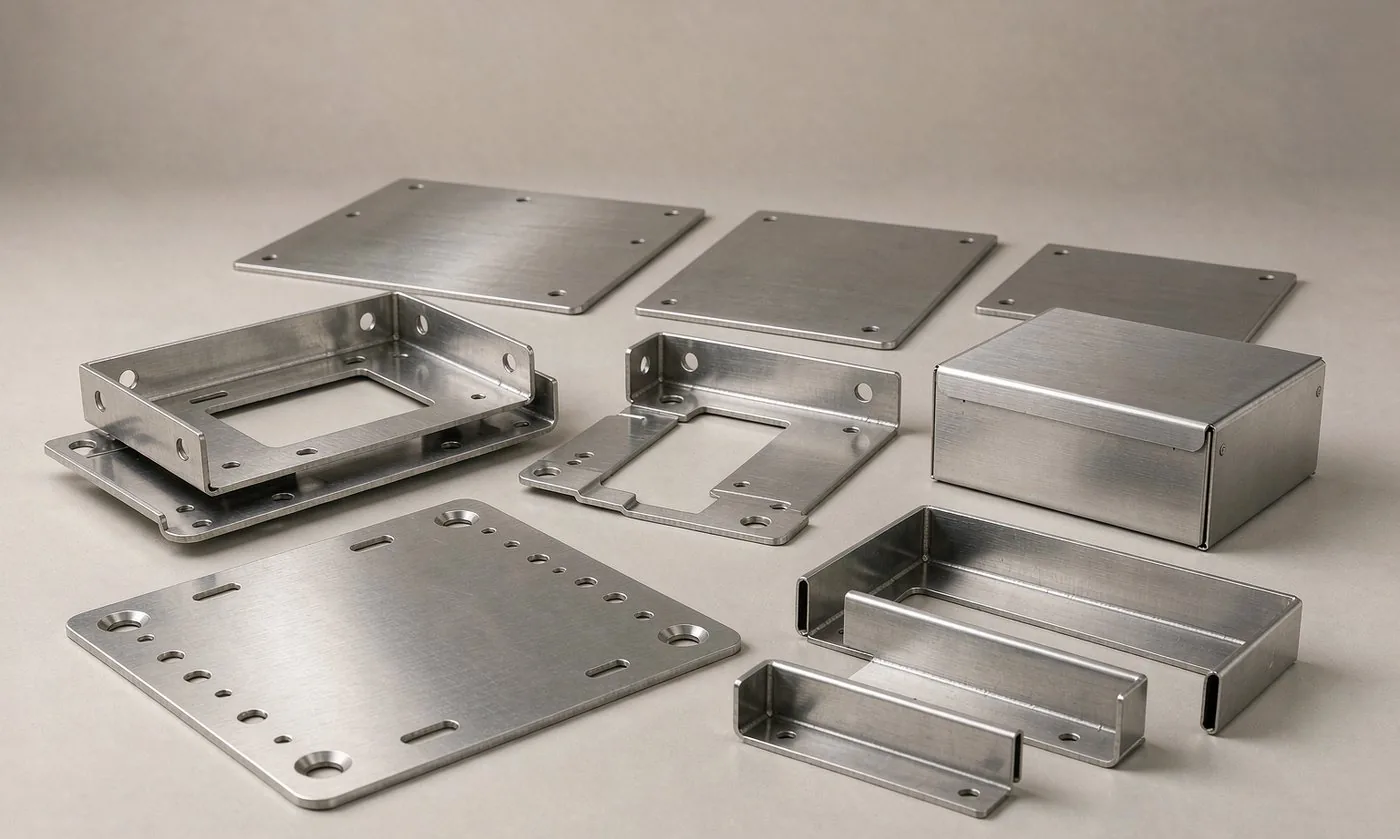
A Closer Look at This Capability
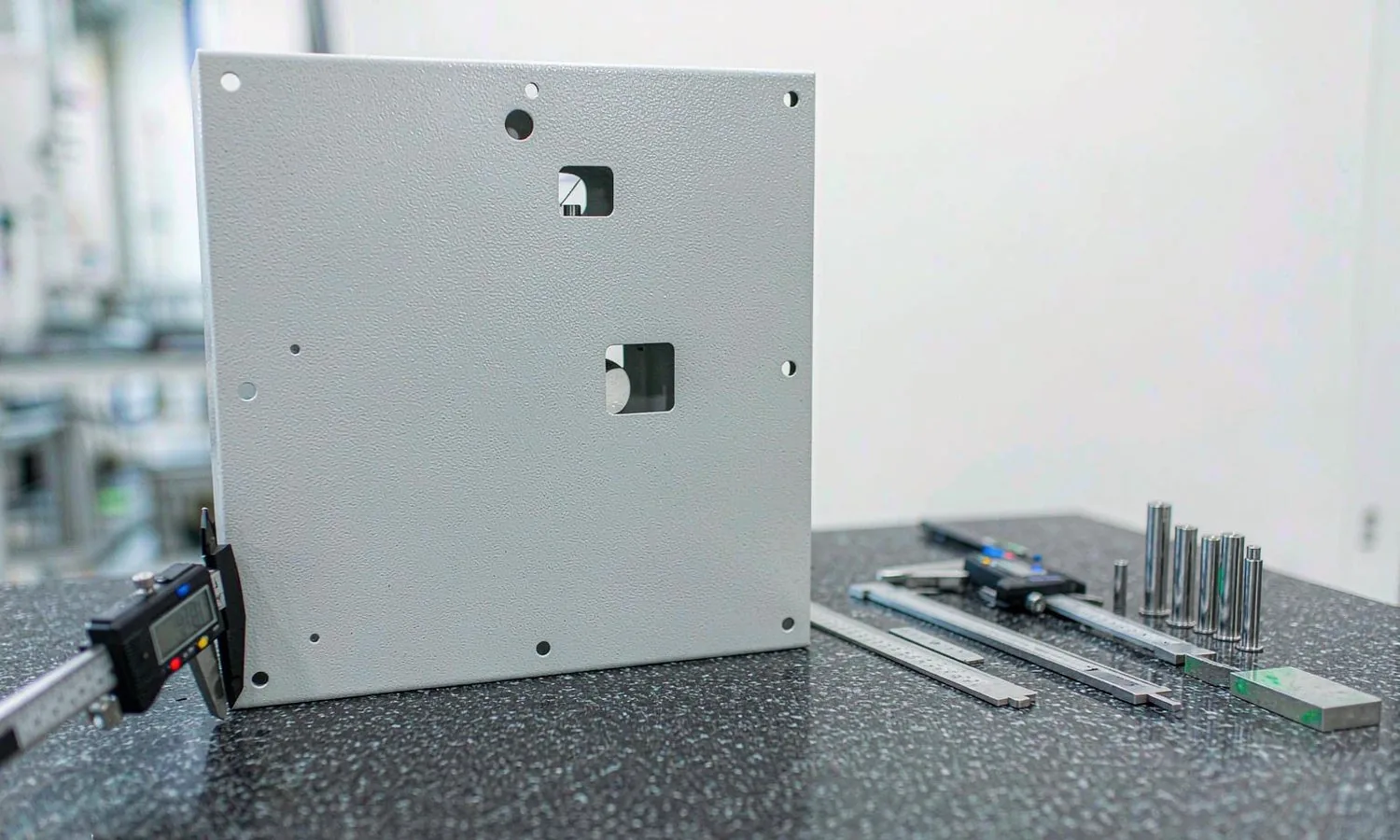
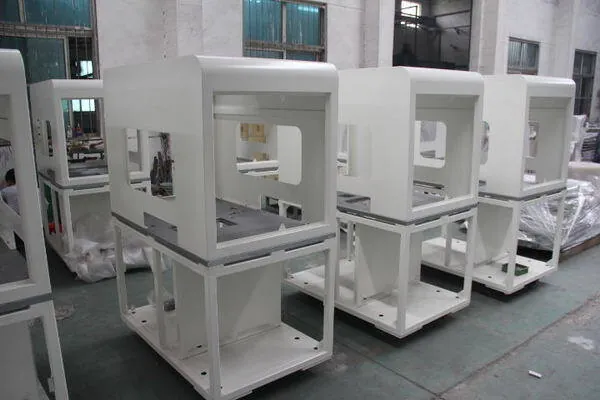
Representative photographs of the equipment, the process and the parts produced.
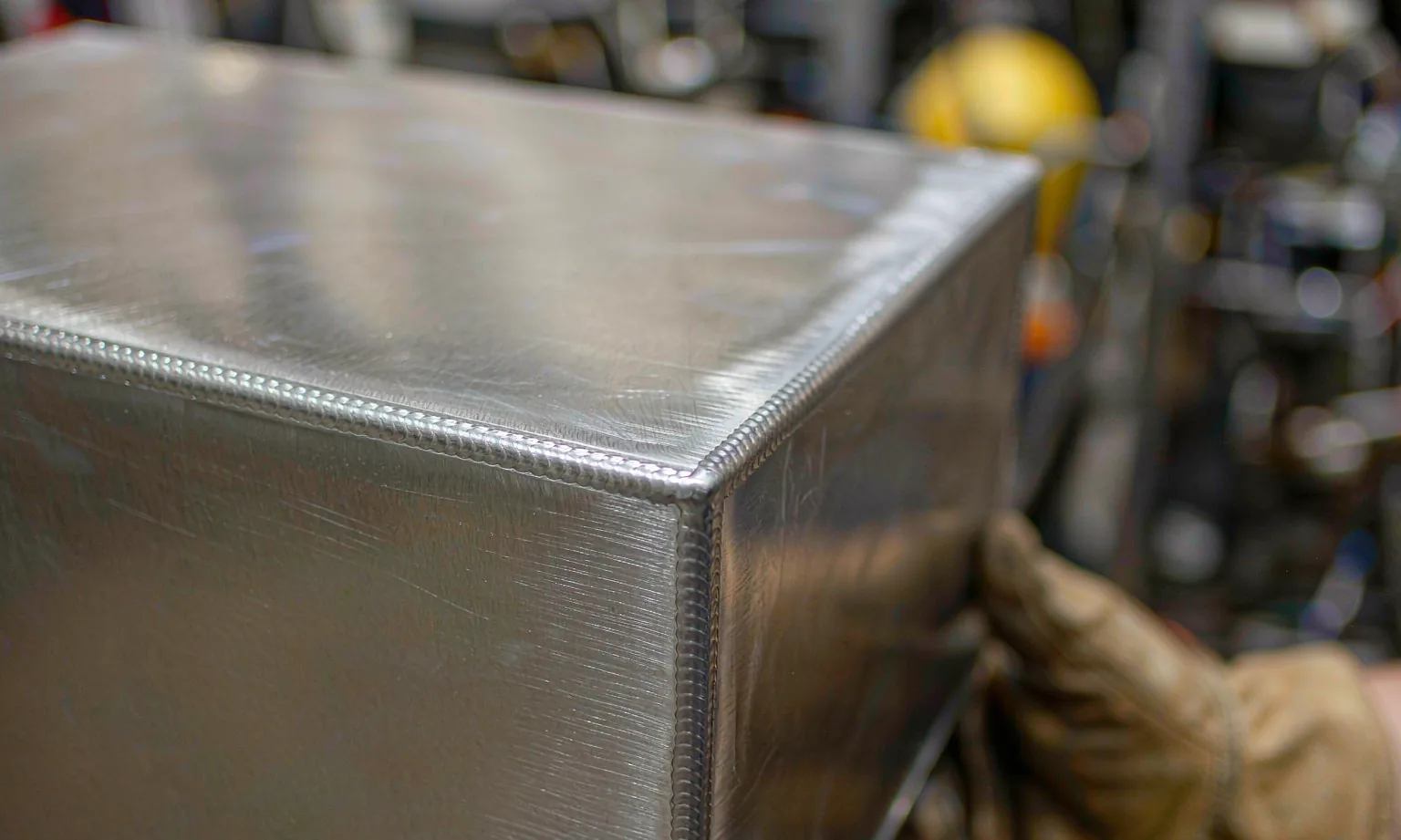
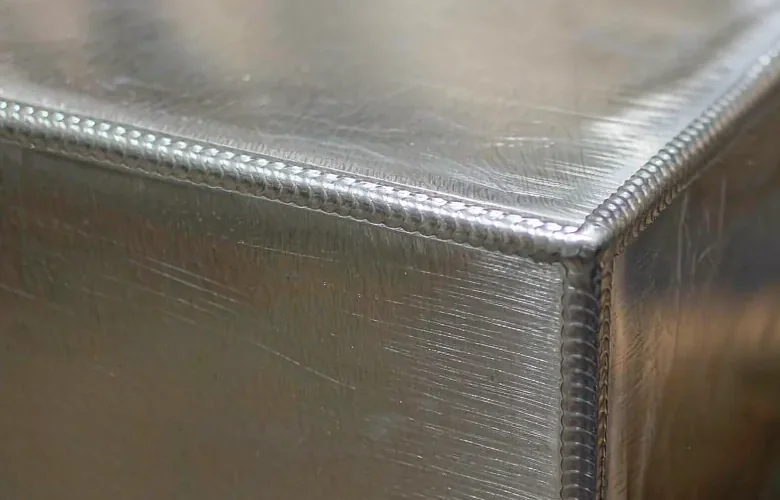
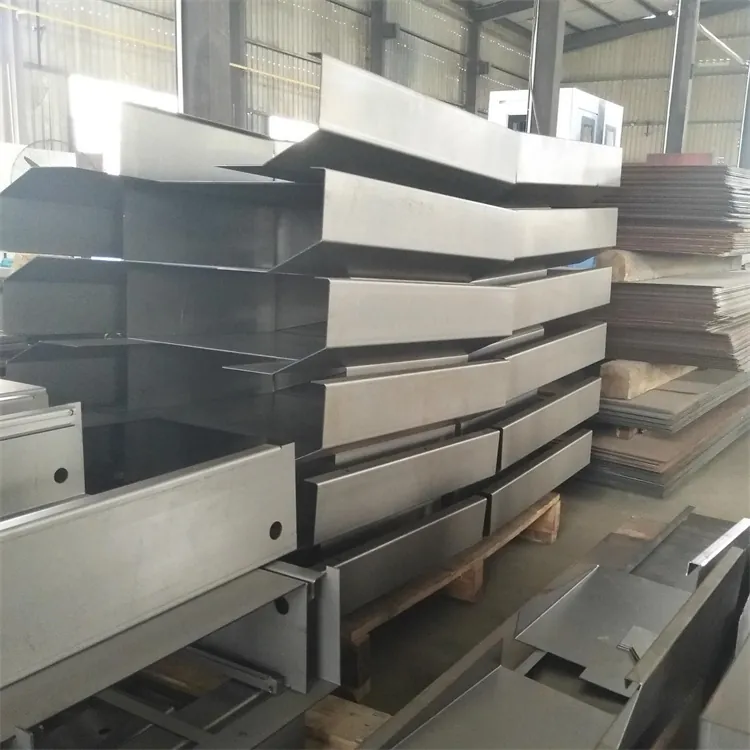
Specifications at a Glance
| Parameter | Typical Specification |
|---|---|
| Grades | 304 (general purpose), 316 / 316L (chloride and marine exposure, welded assemblies), 316Ti on request |
| Thickness range | 0.5-6.0 mm for sheet; thicker plate for fabricated frames and brackets |
| Cutting | Fiber laser cutting with stainless-specific settings; nitrogen assist where an oxide-free edge is needed |
| Welding | TIG welding with low heat input and matched filler; pickling and passivation after welding where required |
| Finishes | Mill, #4 brushed, satin, and sanitary finishes for food and pharmaceutical equipment; mirror polishing on request |
| Contamination control | Dedicated tooling and consumables to prevent carbon steel contamination in the stainless work area |
| Typical tolerance | +/-0.1 mm on critical dimensions, in line with the drawing |
| Applications | Food equipment, enclosures for outdoor and marine sites, medical and laboratory housings, architectural trim |
The parameters above are representative of typical work in this category. Your drawing defines the final specification, and every quotation states the scope it covers.
What We Do in This Area
Every job is customised to your drawing. Use these categories as a starting point for your enquiry.
304 Panels, Brackets and Enclosures
General-purpose stainless for indoor use, food areas and equipment housings where chloride exposure is limited.
| Corrosion | Good, general purpose |
| Typical use | Enclosures, brackets |
| Finish | Mill, #4, satin |
316L Marine and Sanitary Parts
Molybdenum-bearing grade for chloride exposure and welded assemblies that must keep corrosion resistance.
| Corrosion | Higher, chloride resistant |
| Typical use | Marine, food, chemical |
| Welding | Low-carbon, stable |
Brushed and Sanitary Finishes
#4 brushed, satin and sanitary finishes where the surface has to be cleanable and visually consistent.
| Brushing | #4 and satin |
| Sanitary | Ground and blended |
| Post-weld | Pickled and passivated |
Capability, Tolerances & Documentation
Grades
| 304 | General purpose |
| 316 / 316L | Chloride and marine |
| Thickness | 0.5-6.0 mm |
| Plate | Frames and brackets |
Welding and finishing
| Process | TIG, low heat input |
| Filler | Matched grade |
| Post-weld | Pickle and passivate |
| Finish | #4, satin, sanitary |
Contamination control
| Tooling | Dedicated |
| Consumables | Stainless only |
| Area | Separated from carbon steel |
| Handling | Surface protected |
Where This Fits in the Production Route
Stainless work is separated from carbon steel production to keep contamination out of the material and off the tooling. Grade and finish are confirmed before cutting, edges are prepared so weld joints sit cleanly, and welding is planned for low heat input to protect the heat-affected zone. Where the joint will be visible or must be hygienic, it is ground and blended, then pickled and passivated. Parts are handled as finished surfaces from cutting onward, because a scratch that appears in transit cannot be polished out invisibly.
- Drawing review with DFM feedback before production release
- Fiber laser cutting of the complete flat pattern in one set-up
- CNC press-brake forming, welding and grinding
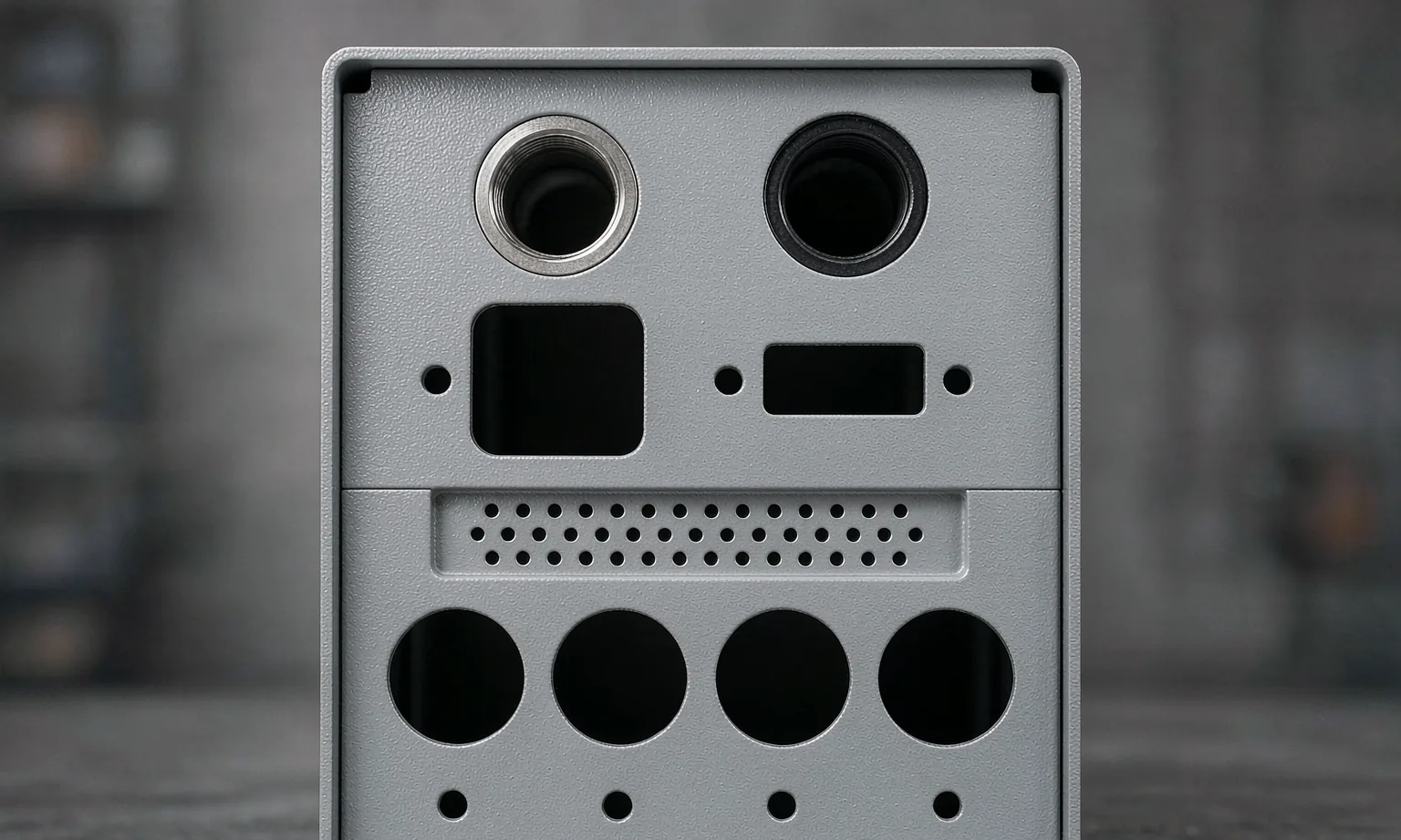
- Coating applied before gaskets, hardware and glass are fitted
- First-article and sample inspection recorded for each batch
Common Questions
304 covers most general-purpose and indoor stainless work. Choose 316L where there is chloride or marine exposure, or where welded joints must keep their corrosion resistance, because its low carbon content reduces sensitisation at the weld.
Yes. Welds are ground, blended and passivated so there is no crevice to hold product, which is the requirement for food and pharmaceutical equipment surfaces.
Where the specification requires it, yes. Welding removes the passive layer locally, and pickling and passivation restore it, which matters for corrosion performance at the joint.
Stainless work uses dedicated tooling and consumables in a separated area. Contamination from carbon steel shows up as rust spots on a stainless surface, so separating the work is the practical control.
0.5 mm to 6.0 mm sheet, with thicker plate for frames and brackets as required by the drawing.
It can, provided the surface is protected through cutting, forming and assembly. Brushed finishes reveal handling marks, so parts are handled accordingly and the direction of brushing is kept consistent.
Send Us Your Drawing
Tell us what you need made, the environment it works in and the quantity — we will return engineering feedback and a quotation, typically within 24 hours on working days.