Control Panel Enclosure Materials, Gland Plates and Protection Levels
Control Panels Anjue Metal | Industrial | 10 min read | Updated Oct 13, 2026
Two control panels can look identical and behave completely differently, because the differences are in the material, the wall thickness, the way the cables enter and the way the earth path runs. Those four decisions are made very early and are very hard to change later, which is why they are worth more attention than the colour of the door.
- The Four Decisions That Are Hard to Change
- Steel, Stainless and the Environment
- Thickness, Stiffness and What They Solve
- Finish, Corrosion Class and Appearance
- Gland Plates, Entries and the Boundary
- Protection Levels and How They Are Kept
- Earthing and Bonding Points
- Back Plates, Rails and Internal Accessories
- Thermal Considerations in the Panel
- Checks on the Build
- How We Approach Control Panel Enclosures
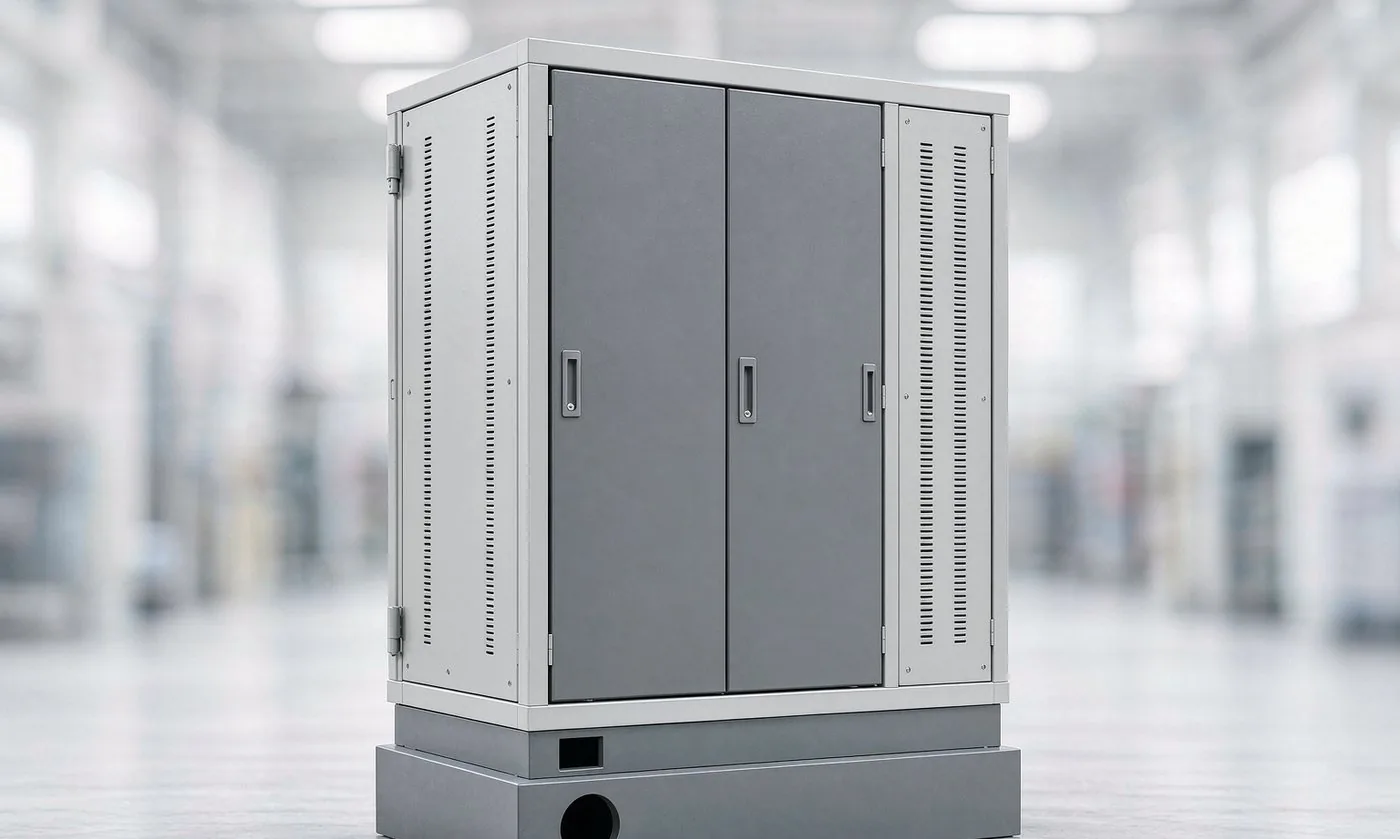
The Four Decisions That Are Hard to Change
| Decision | Made when | Cost of changing later |
|---|---|---|
| Material | At the start | Very high; the whole panel is remade |
| Wall thickness and stiffening | At the start | High; forming and dies change |
| Cable entry arrangement | At the drawing stage | Moderate; plates can be revised |
| Earth and bonding points | At the drawing stage | Moderate; locations and hardware change |
| Door and hinge type | At the drawing stage | Moderate; the opening must suit it |
| Finish | Before coating | Low on colour, high on corrosion class |
Steel, Stainless and the Environment
- Coated steel for indoor and protected outdoor panels, the economical default.
- Stainless where corrosion, washdown or hygiene requires it, and where a longer life justifies the cost.
- Aluminium where weight matters, such as wall or machine-mounted panels.
- The choice follows the service environment, including humidity, chemicals, salt and cleaning regime.
- If the site is not known, say so; we will design for a stated class rather than guess one.
Thickness, Stiffness and What They Solve
- Thickness and stiffening solve the same problem; use forming before adding material.
- A large door needs rigidity, or it sags, seals badly and rattles.
- A flat back plate needs stiffness, or it distorts when components are tightened onto it.
- Very thin material saves cost on small boxes and creates problems on large ones.
- Consider the weight of the mounted equipment, not only the panel's own size.
Finish, Corrosion Class and Appearance
- Choose a coating system to suit the environment; a decorative finish is not a corrosion system.
- Specify the colour and gloss where appearance or solar gain matters.
- Mask bonding faces and mating faces before coating, so the finish does not break a path.
- Consider touch-up in service; a finish that is easy to repair is worth having.
- Keep the internal finish consistent, because service lighting can make a light interior much easier to work in.
Gland Plates, Entries and the Boundary
- Provide a removable gland plate at the bottom, and where required at the top.
- Size the plate for the cables plus spare, and keep spares blanked.
- Keep the drilling away from the main panel, so that swarf cannot reach live components.
- Allow the plate to be removed and drilled on the bench, which is much easier than drilling in place.
- Provide strain relief at the entry, and keep the cable weight off the terminations.
- Where the panel sits in a washdown or dusty area, match the entry protection to the panel's own class.
Protection Levels and How They Are Kept
- Decide the IP requirement with the environment and the cleaning regime in mind.
- Remember that a gland plate, a vent or a fan all become part of the enclosure's protection; the class is what the finished assembly achieves.
- Keep gasket channels and sealing surfaces free of coating and damage.
- Provide louvres or vents only where the thermal design needs them, and protect them.
- Check the class after finishing, not only at the steel stage.
Earthing and Bonding Points
- Provide a labelled main earth terminal sized for the installation.
- Bond doors, covers and gland plates with dedicated conductors.
- Mask bonding faces before coating, and record the points on the drawing.
- Keep bonding accessible for testing.
- Use hardware suited to the environment, particularly for outdoor and coastal sites.
Back Plates, Rails and Internal Accessories
- Provide a mounting plate or rails with the fixing pattern the layout requires, and ensure it is stiff enough.
- Provide cable ducts and trunking provisions where the design calls for them.
- Leave space for future components, because panels grow.
- Provide document pockets or a holder position, so that drawings travel with the panel.
- Keep service access to devices clear of the cable routes.
Thermal Considerations in the Panel
- Provide ventilation or cooling provisions where the heat load requires, and size them for the worst ambient.
- Keep filters accessible and document the change interval.
- Place the hottest devices where the coolest air arrives.
- Remember that a sealed panel with no cooling relies on its surface, which is limited.
Checks on the Build
| Check | Method | Why it matters |
|---|---|---|
| Panel flatness and stiffness | Straight edge and handling | Sealing and mounting |
| Gland plate fit and spare blanks | Fit check | Cable entry |
| Earth continuity | Continuity check on doors and plates | Safety |
| Door operation and gasket | Open, close and seal test | Protection class |
| Finish at masked faces | Visual | Earthing and fit |
| Mounting plate fixing pattern | Gauge against the layout | Component fit |
How We Approach Control Panel Enclosures
- We fabricate bodies, doors, gland plates, mounting plates, internal barriers, brackets and ventilation parts in steel, stainless and aluminium.
- We work to the layout and component drawings you supply, and we keep the mounting faces flat and the entries where the arrangement requires them.
- We will tell you when a requested protection class, a requested ventilation arrangement and a requested internal layout cannot all be met at once.
- We do not assemble the electrical components, we do not carry out the electrical design or testing, and we do not certify the panel to any standard.
- Every quotation states which operations are completed in our plant.
Send the environment, the layout and the entry requirements, and the panel can be built with the material, the entries and the earth path it actually needs.
Frequently Asked Questions
Coated steel covers the great majority of indoor and protected outdoor panels and is the economical choice. Stainless is chosen where corrosion, washdown or hygiene rules it, and where the extra cost buys a longer life. The decision follows the environment the panel will live in, not the environment it is assembled in, which is why we ask about the site rather than the workshop.
Thick enough to keep the panel flat and stiff at the size you are building. A large door needs either more thickness or more forming, and the second is usually the better answer. Very thin material saves money on small boxes and causes problems on large ones, where door sag, panel distortion and poor sealing follow. We normally discuss thickness and stiffening together, because they solve the same problem.
Because they are where the cables cross the enclosure's boundary, and that is where most protection failures happen. A gland plate lets the installer drill for the actual cable, keeps the drilling away from the main panel, keeps the swarf out of the finished cabinet and allows a cable to be added later without cutting the enclosure. A panel designed without one is usually drilled on site, badly, with the components already inside.
Yes. The enclosure is metal and it holds powered equipment, so it needs a reliable earth path with a labelled terminal and bonded doors, covers and gland plates. Bonding through hinges or through a painted surface is not reliable, and coating must be masked at the bonding faces. The earthing arrangement is part of the electrical design; the enclosure provides the points and the continuity.
No. We fabricate the enclosure and its mechanical parts. We do not assemble the electrical components, we do not carry out the electrical design or testing, and we do not certify the panel to any product standard. We build to your drawings and state on every quotation which operations are completed in our plant.
Explore Related Capabilities
- Control Panel Enclosures — Panels and cabinets for industrial control
- Electrical Cabinets & Enclosures — Power and control cabinets
Have a Drawing to Quote?
Send STEP, DXF or PDF drawings and we reply with engineering feedback and a detailed quotation within 24 hours on working days.