304 vs 316L Stainless Steel Enclosures: How to Choose the Right Grade
Materials Anjue Metal | Materials | 11 min read | Updated Oct 8, 2026
Most stainless steel enclosure enquiries arrive with the same two words on the drawing: "stainless steel". That is not a specification. 304 and 316L behave very differently outdoors, near salt water and around cleaning chemicals - and the price difference is real. This guide gives you a decision you can defend to your own purchasing team.
What 304 and 316L Actually Mean
The three-digit numbers are alloy families from the American AISI/SAE naming system. What matters for an enclosure is the alloying content behind them:
| Property | 304 (EN 1.4301) | 316L (EN 1.4404) |
|---|---|---|
| Chromium | 18-20% | 16-18% |
| Nickel | 8-10.5% | 10-14% |
| Molybdenum | None | 2-3% |
| Carbon (max) | 0.07% | 0.03% |
| Typical PREN | approx. 18 | approx. 24-25 |
The single most important line is molybdenum. Molybdenum is what makes 316L resistant to chloride pitting - the localised corrosion that eats a small hole through a panel rather than rusting it evenly. The "L" means low carbon, which reduces chromium carbide precipitation during welding. That is a welding benefit, not a strength benefit.
Where the Difference Actually Shows Up
Indoors, in dry air, with no chlorides, 304 and 316L are effectively identical for decades. The gap opens in four situations:
- Coastal and marine exposure. Salt spray carries chlorides. 304 will show tea-staining and pitting on horizontal surfaces within months; 316L typically holds up for years. Any installation within roughly 20 km of a coastline should be 316L, with washing recommended.
- Chloride-containing cleaning agents. Food plants and pharmaceutical facilities clean with hypochlorite-based sanitisers. These attack 304 aggressively. If your customer's cleaning procedure uses chlorine, specify 316L.
- De-icing salts and road splash. Telecom cabinets, EV charging enclosures and traffic equipment in cold regions face the same chloride problem seasonally.
- Process chemicals. Chemical dosing, water treatment and battery-adjacent equipment may see acids or electrolytes. Here the grade must follow the actual media list, not a rule of thumb.
Note · A practical test: ask your customer one question - "will this unit ever be washed with a chlorine-based product, or installed within sight of salt water?" A yes to either means 316L. A no means 304 is usually the correct, cost-effective answer.
Forming, Welding and Finishing Differences
This is where the grades differ on the shop floor, and where cost quietly moves:
| Operation | 304 | 316L |
|---|---|---|
| Bending | Predictable springback, easy to control | Higher work-hardening, roughly 5-10% more springback, more compensation needed |
| Laser cutting | Clean nitrogen cut | Similar, slightly higher power at equal thickness |
| TIG welding | Good | Better weld corrosion resistance thanks to low carbon |
| Post-weld treatment | Passivation recommended | Passivation essential on visible welds |
| Machining | Acceptable | Gummy, short tool life - avoid unnecessary machining |
| Surface finish | 2B, BA, No.4, hairline all available | Same range available |
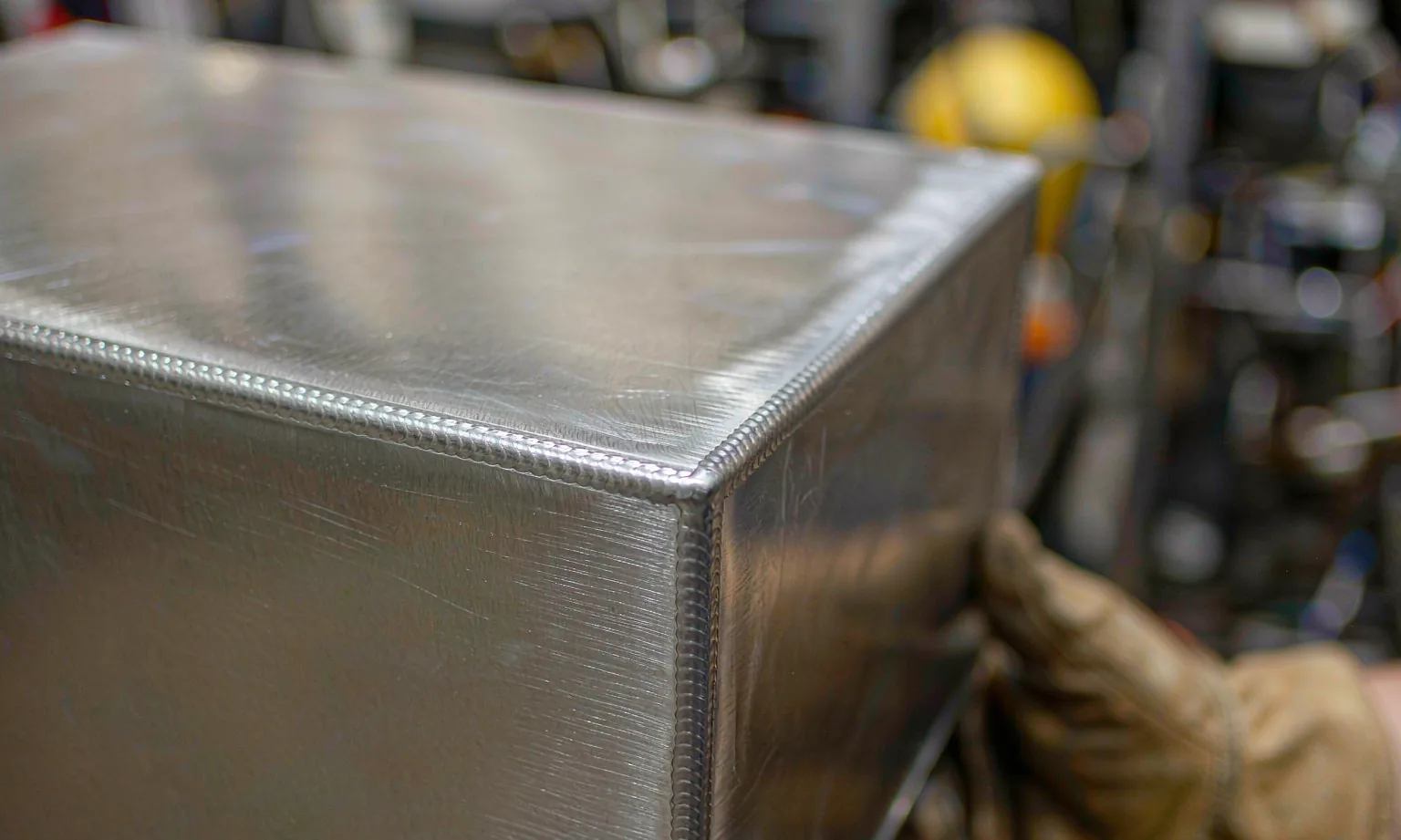
The practical consequence: 316L parts need slightly more generous bend radii and a passivation step. A factory that does not plan for this produces 316L panels with orange rust streaks along the weld lines within a season - and the grade gets blamed for a process problem.
What the Price Difference Really Is
Material cost for 316L has historically run roughly 30-60% above 304, and it moves with nickel and molybdenum surcharges. Two points worth knowing:
- The differentiator is the raw material line, not the fabrication. Laser time, bending and welding are nearly the same for both grades, so the total price gap on a finished enclosure is usually smaller than the material percentage suggests - often 15-35% on the finished part.
- Stainless prices are quoted with a surcharge that changes monthly. Any quotation older than about 30 days should be re-confirmed.
If the budget is tight and the environment is genuinely dry and indoor, dropping from 316L to 304 is a legitimate saving. Dropping from 304 to 201 or 430 for an outdoor product is not - those grades are for indoor appliances and trim, and they will fail visibly.
Selection Table by Application
| Application | Recommended grade | Why |
|---|---|---|
| Indoor electronics enclosures, lab benches, dry rooms | 304 | No chlorides, cost-effective |
| Food processing and dairy equipment | 304 or 316L | 316L if chlorinated sanitisers are used |
| Pharmaceutical and cleanroom housings | 316L | Aggressive cleaning regimes, hygiene audits |
| Coastal, offshore, marine-adjacent | 316L | Chloride pitting resistance |
| Outdoor telecom, EV charging, roadside | 316L | De-icing salts and salt spray |
| Battery and power electronics cabinets (indoor, dry) | 304 | Cost control, no chloride exposure |
| Chemical dosing and water treatment | 316L or duplex | Media list must be reviewed case by case |
| High-temperature applications | 321 / 310S | Stabilised or high-nickel grades resist scaling |
What to Put on Your Drawing
A drawing that says only "stainless steel" invites a quotation built on the cheapest interpretation. Specify four things:
- Grade and standard - for example "EN 1.4404 / ASTM A240 Type 316L"
- Surface finish - 2B (standard mill), BA (bright annealed), No.4 / hairline (brushed), or mirror polish
- Thickness with tolerance basis - state the standard you want the tolerance taken from, since actual thickness can sit below nominal
- Weld and post-treatment requirements - full penetration, ground flush, passivated, or pickled
Add any customer-specific cleaning agents or environmental conditions. One paragraph here prevents the most expensive type of rework: parts that are correctly made to an insufficient specification.
How We Handle Stainless Orders
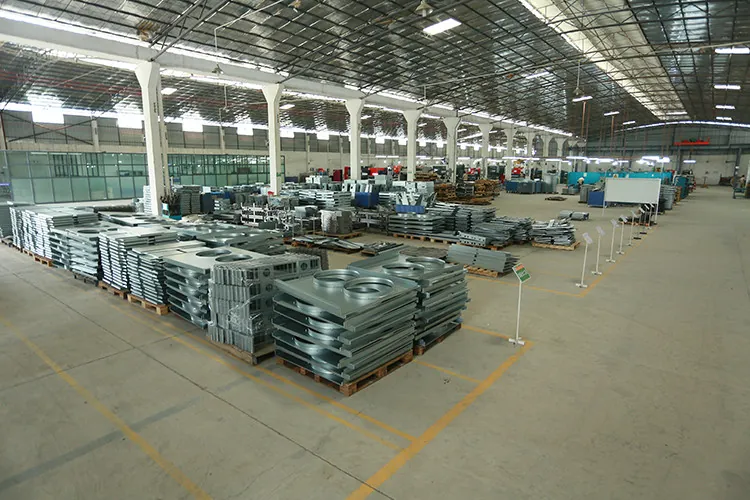
- Mill certificates are filed per heat number and can be supplied with the shipment on request.
- Stainless is cut on dedicated parameters with nitrogen assist to keep edges oxide-free.
- 316L parts go through passivation after welding when the drawing calls for it, and we flag it if the drawing does not but the application suggests it should.
- Material thickness range: stainless sheet from 0.5 mm to 8 mm, sheet size up to 3000 x 1500 mm.
Frequently Asked Questions
Not meaningfully for enclosure design. Both have similar tensile strength in the annealed condition, and 316L can actually be slightly softer in some forms. Choose 316L for corrosion resistance, not for strength.
Yes, they can be welded and fastened together without a galvanic problem - they are both austenitic stainless steels. Practically, though, the lower grade will show corrosion first, so mixed assemblies are usually only sensible where the 304 parts are internal and dry.
Brushed finishes are fine and often improve appearance, but they can leave embedded iron particles from the brush. Use dedicated stainless brushes, and passivate afterwards if the part is going outdoors.
Typically 15-35% over 304 on the finished part, because fabrication time is similar and only the material line changes. The exact figure depends on the current nickel and molybdenum surcharge, so we confirm material pricing at the time of quotation.
Yes. Mill test certificates for the actual heat numbers used on your order are available with the shipment or by email before dispatch.
Explore Related Capabilities
- Stainless Steel Fabrication — Brackets, panels and sanitary parts in 304 and 316L
- Custom Sheet Metal Enclosures — OEM electronics housings built to drawing
Have a Drawing to Quote?
Send STEP, DXF or PDF drawings and we reply with engineering feedback and a detailed quotation within 24 hours on working days.