Sheet Metal Tooling and MOQ Explained: Where Minimum Order Quantities Come From
Sourcing Anjue Metal | Sourcing | 11 min read | Updated Oct 8, 2026
Buyers often treat MOQ and tooling charges as arbitrary obstacles. They are not. Each one traces back to a specific cost the supplier cannot recover from a small order. Knowing which cost you are looking at is what lets you negotiate it properly - or design it away.
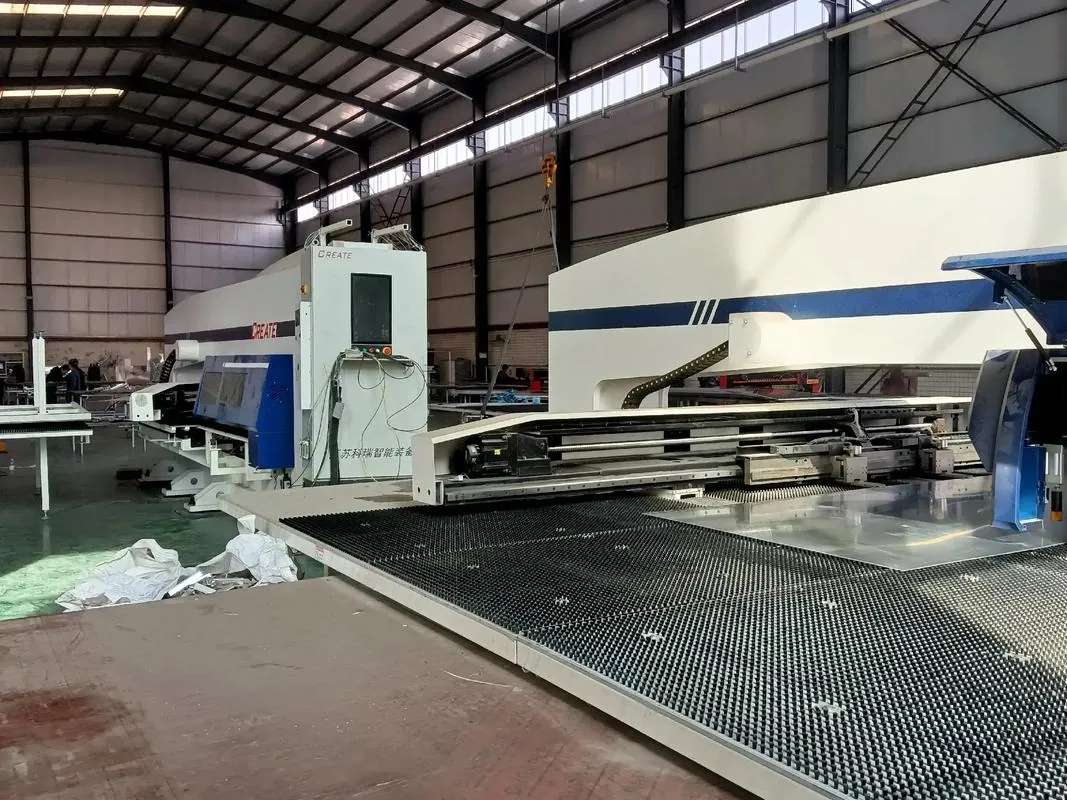
Where Minimums Actually Come From
| Source of minimum | Why it exists | Rough size |
|---|---|---|
| Programming and setup | CAD/CAM time, machine setup, first-article check | 1-3 hours per operation |
| Special press brake tooling | A die or punch specific to your bend geometry | Custom tool manufacture |
| Welding fixtures | A jig to hold geometry during welding | Custom fabrication |
| Material minimum purchase | Sheet suppliers sell by the sheet or the tonne | One full sheet, or a mill quantity |
| Finishing batch minimum | Oven load or plating barrel has a minimum charge | A full oven batch |
| Hardware minimum pack | Fastener suppliers sell in bags of hundreds | Pack size |
| Inspection and documentation | First article report, dimensional report | Fixed labour |
The most useful thing you can do is ask which of these applies to your part. The answer tells you whether the minimum is negotiable, spreadable, or something you can design away.
Programming and Setup: The Most Negotiable Minimum
Programming and setup is real work but it is a one-off, not a per-unit cost. That means it can be:
- Amortised across the order, which is what normally happens.
- Charged once and reused if you place a follow-up order for the same revision. Ask for this explicitly - many suppliers will waive setup on a repeat order of an unchanged part, and some will not unless you ask.
- Spread across a blanket order with scheduled releases, so you pay setup once for a year of supply.
This is why the same part can be quoted at very different unit prices for 10 units and 500 units: the setup is identical, so it dilutes.
Special Press Brake Tooling
Standard press brake tooling covers most enclosure work. A special die or punch is needed when:
- The bend radius or angle is outside the standard tooling range.
- The flange is shorter than the punch and die can grip (a minimum flange problem).
- A jogged, offset or hemmed bend is required.
- The part needs a bend along a very tight inside corner.
- Unusual material or thickness needs a specific V-die opening.
| Tooling situation | Approach | Who pays |
|---|---|---|
| Standard V-dies | Included in the hourly rate | Nobody - normal tooling |
| Short flange | Try a different die opening, or a jogged bend | Design change, no tooling cost |
| Radius outside stock range | Custom radius punch | Tooling charge, often reusable |
| Offset or hem | Standard offset tooling if available | Usually normal tooling |
| Very tight inside corner | Custom tool | Tooling charge |
Two negotiating points. First, ask whether the tooling is reusable - if it is, the charge should be amortised rather than repeated. Second, ask whether a design change avoids the tooling entirely. Moving a flange 2 mm longer may remove the need for a special die, and that is a permanent saving.
Welding Fixtures
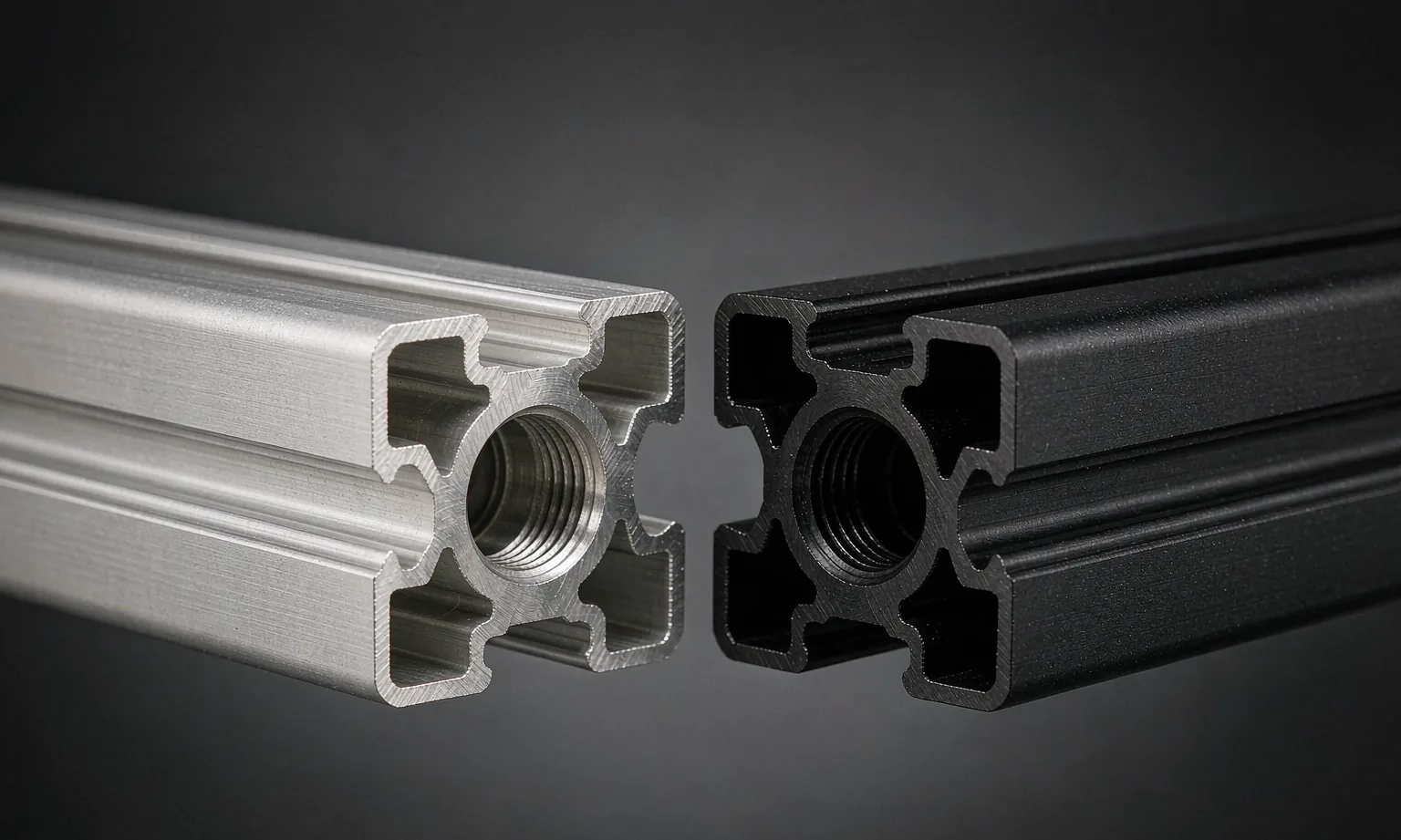
A welded assembly with a flatness, squareness or gasket requirement needs a fixture. Without one, the geometry depends on the operator and the first article will not match the hundredth part.
- Where a fixture is unavoidable: cabinets with gasketed doors, rack assemblies with tight bore alignment, any assembly with a flatness callout.
- Where it can be avoided: tab-and-slot self-locating designs, small assemblies welded on a flat table with squares, spot-welded stiffeners.
- Negotiation: a fixture is a capital asset that belongs to the supplier, so it should be amortised across the production life rather than charged in full on the first order. If you are paying for it outright, ask what happens to it if you move production.
Material Minimums
Sheet is bought by the sheet or by weight. If your part uses 3 square metres of a material the supplier buys in 3000 x 1500 mm sheets (4.5 square metres), you are buying the sheet.
Ways to work with it:
- Choose standard sheet sizes so the supplier can nest your part with others.
- Accept a slightly different thickness within your functional requirement, if it lets the supplier use stock material they already hold.
- Share a sheet by ordering several parts in the same material together.
- Be flexible on alloy - if 5052 and 5754 both work, say so.
For common materials such as SPCC, SGCC and 304 in standard thicknesses, a supplier holding stock can often do a low minimum. For an unusual alloy or thickness, the minimum is the mill quantity and there is no way around it except to buy the balance as stock.
Finishing Batch Minimums
Powder coating is charged by the oven load, not strictly by the part. A small order still consumes a coating cycle.
- If your part can share a batch with other parts in the same colour, the finishing minimum effectively disappears. Ask whether the supplier can batch your parts with another order.
- If the colour is unusual, the minimum may include a powder purchase. Staying on a standard RAL colour avoids this.
- Masking and plugging are labour per part, so they scale with quantity rather than being a fixed minimum.
- Plating and anodising are usually barrel or jig based with their own minimum charge per batch.
What "MOQ" Usually Means in Practice
| What the buyer is told | What it usually means |
|---|---|
| MOQ 1 | A one-off prototype is fine; setup and programming are charged in full |
| MOQ 10-50 | Setup amortised; a sensible minimum for a new part with standard tooling |
| MOQ 100 | Either a finishing batch minimum, a material minimum, or a deliberate policy |
| MOQ 500-1000 | A production part with special tooling or a fixture that needs amortising |
| MOQ by weight or tonne | A material minimum, usually on an uncommon alloy or thickness |
Almost none of these are hard limits. They are price points. If you need 30 pieces of an MOQ-100 part, most suppliers will make 30 and charge accordingly - the MOQ exists because below it, the price per unit looks unreasonable and the buyer assumes the supplier is gouging.
How to Negotiate Each One
| The cost | The question to ask | The likely outcome |
|---|---|---|
| Setup and programming | "Is this charged again on a repeat order of the same revision?" | Often waived |
| Special tooling | "Is this tool reusable, and can it be amortised?" | Amortised over volume |
| Welding fixture | "Can the design be self-locating instead?" | Cost avoided entirely by design |
| Material minimum | "Can this be nested with your stock parts, or is there a near-equivalent thickness in stock?" | Smaller minimum |
| Finishing minimum | "Can these share a batch with another job in the same colour?" | Minimum disappears |
| Hardware minimum | "Can you source a smaller pack, or can we adjust the design to a stock fastener?" | Reduced |
The highest-leverage negotiation is almost never the price. It is removing the need for the cost.
Planning a New Product Around Minimums
- Prototype first with standard tooling and a design that avoids special dies.
- Validate with a small batch, then freeze the revision before committing to tooling. Changing a revision after tooling is cut means paying twice.
- Amortise tooling deliberately: pay it once, or spread it over a stated volume in a blanket order.
- Design out fixtures with tab-and-slot geometry and spot-welded subassemblies.
- Standardise material, thickness, colour and hardware across the product family so minimums apply to one item rather than five.
Note · The most expensive mistake in low-volume sheet metal is changing the revision after tooling and fixtures are made. A 2 mm change to a flange can invalidate a die and a welding fixture together. Freeze the design at prototype stage, and treat anything after that as a deliberate cost.
Our Approach to Minimums
- Setup and programming are amortised in the unit price, and we waive them on repeat orders of an unchanged revision.
- We will tell you when a small design change removes a tooling charge entirely - that is usually the best saving available on a new part.
- Standard stock in common grades and thicknesses supports small orders; unusual alloys are quoted against the material minimum and explained rather than marked up silently.
- We quote quantity bands so you can see exactly what the setup costs you at each volume.
- Sheet steel 0.5-8.0 mm, up to 3000 x 1500 mm, in cold-rolled, galvanised, aluminium and stainless.
Frequently Asked Questions
Usually one of four reasons: programming and machine setup that must be amortised, a special press brake die or welding fixture that needs paying off, a material minimum because sheet is bought by the sheet or tonne, or a finishing batch minimum because the powder coating oven or plating barrel has a fixed charge per load. Ask which one applies - it changes how you negotiate.
No. Standard press brake tooling covers most enclosure work and carries no separate charge. A tooling charge usually means the bend geometry sits outside the normal tooling range - a very tight radius, a short flange or an unusual offset. A small design change often removes the need for the tooling entirely.
Yes, on a standard-tooling design. The setup and programming are charged in full rather than amortised, so the unit price is high, but there is no minimum. This is exactly what prototyping is for - validating the design before committing to tooling or a production batch.
Amortising spreads the cost over the volume in a blanket order and keeps the first invoice small. Paying outright gives you clarity and sometimes a lower total, but check what happens to the tool or fixture if you move production elsewhere. For a reusable die, amortisation is usually the better deal.
Use standard material grades and thicknesses that the supplier holds in stock, stay on a standard RAL colour so your parts can share a coating batch, design with tab-and-slot joints so no welding fixture is needed, and consolidate part numbers so one setup covers several items. Each of those removes a specific reason for a minimum.
Explore Related Capabilities
- Sheet Metal Prototyping — Low-volume parts with no tooling commitment
- Custom Sheet Metal Enclosures — Production enclosures quoted in volume bands
Have a Drawing to Quote?
Send STEP, DXF or PDF drawings and we reply with engineering feedback and a detailed quotation within 24 hours on working days.