IP Ratings and NEMA Types for Enclosures: What They Actually Require
Standards Anjue Metal | Standards | 12 min read | Updated Oct 8, 2026
IP and NEMA ratings look like a marketable number on a datasheet, but they are really a list of design decisions: which gasket, which seam, which drainage path, which breather. Specify the rating your installation genuinely needs and the enclosure gets simpler and cheaper. Overspecify it and you pay for sealing you never needed.

What the Two Systems Measure
The IP code is IEC 60529, used almost everywhere. It has two digits: the first is protection against solid objects and dust (0-6), the second against water (0-9K). NEMA 250 is a North American system that covers the same ground plus corrosion resistance, gasket aging and, in some types, hazardous locations.
| Rating | Solids / dust | Water |
|---|---|---|
| IP54 | Limited dust ingress; dust must not interfere | Splashing from any direction |
| IP55 | Limited dust ingress | Water jets, low pressure, any direction |
| IP65 | Dust tight, no ingress | Water jets, low pressure, any direction |
| IP66 | Dust tight | Powerful water jets, any direction |
| IP67 | Dust tight | Temporary immersion, 0.15-1 m for 30 minutes |
| IP68 | Dust tight | Continuous immersion, depth agreed between buyer and supplier |
| IP69K | Dust tight | High pressure, high temperature washdown |
The single sentence that matters most: IP65 and IP66 differ only in the water jet force, not in dust protection. Both are dust tight. If a customer is asking for IP66 on a product that sits indoors, you are being asked to pay for a jet test you will never experience.
NEMA Types Translated
| NEMA type | Roughly equivalent to | What it adds |
|---|---|---|
| Type 1 | IP20 | Indoor, general purpose |
| Type 3 | IP55 | Outdoor, rain, sleet, dust |
| Type 3R | IP24 | Outdoor, rain only, no dust claim |
| Type 4 | IP66 | Outdoor, windblown dust and rain, splashing |
| Type 4X | IP66 plus corrosion | Same as 4 but corrosion resistant - stainless or fibreglass |
| Type 12 | IP54 | Indoor, dust and dripping non-corrosive liquid |
| Type 13 | IP54 | Indoor, plus oil and coolant seepage |
Two practical notes. First, NEMA 4X is the specification that makes stainless or a heavy corrosion coating mandatory - it is the rating that most often drives material choice rather than gasket choice. Second, none of these types claim submersion; if it will flood, you need IP67/IP68 and a different architecture entirely.
The Five Design Decisions That Decide the Rating
1. The gasket and its groove
A gasket only works if it is compressed and stays compressed.
- Closed-cell EPDM for outdoor UV exposure; silicone where temperature range is wide or washdown is chemical; polyurethane foam for indoor dust-only.
- The gasket needs a groove or a formed lip that stops it being over-compressed or extruded sideways.
- A continuous gasket means the door must be flat. On a big door this means a flanged or ribbed door, not a flat sheet.
2. Door stiffness
This is where most IP failures actually come from. A door that bows at the centre will open a gap that no gasket can fill. Every outdoor door we build of any size is double-flanged or reinforced, because the sealing pressure at the middle of a 600 mm door is otherwise zero.
3. Seams, joints and welds
Every weld is a potential leak path, and stitch welding is a controlled failure.
- Continuous seams where water can pool.
- Seam sealant (a fillet of polyurethane or silicone) on the inside of any seam that will see standing water.
- Corners of a folded enclosure are usually the first leak - a small weld there is cheaper than a redesign.
4. Fasteners, hinges and latches
- Thru-holes for fasteners break both IP and electromagnetic sealing. Use rivet nuts, blind hardware, or weld studs so the fastener does not pierce the panel.
- Hinges mounted outside the gasket line are fine; hinges that cross the seal line are not.
- Quarter-turn latches work, but only if the gasket is designed to compress with the latch force available.
5. Pressure equalisation
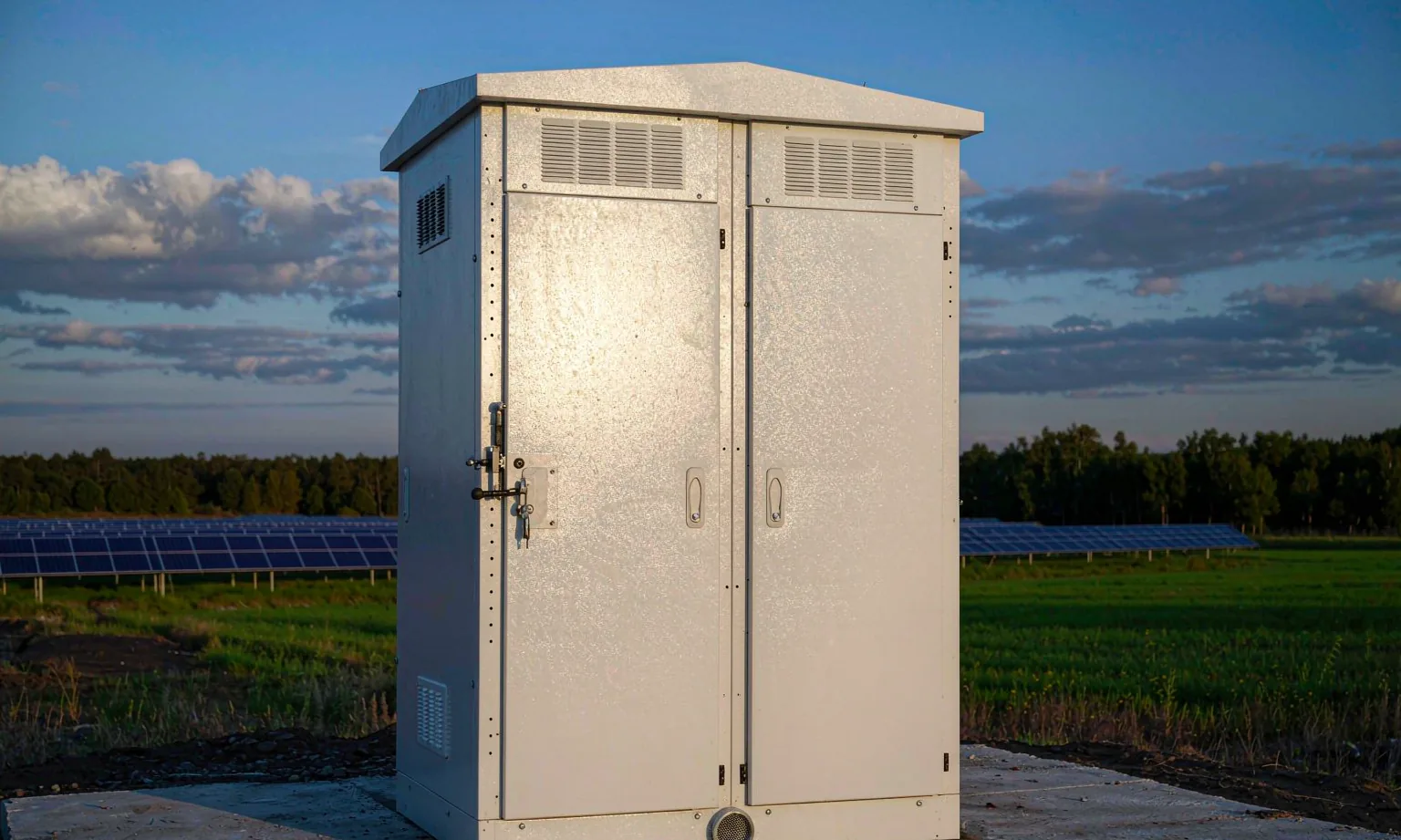
A sealed enclosure that heats up in the sun pushes its gaskets outward; one that cools draws air in and, with it, moisture. This is why a genuinely sealed outdoor cabinet may fill with condensation.
- A hydrophobic vent (a GORE-type membrane breather) lets air move while blocking liquid water, and is the normal solution.
- A drain/breather is a cheaper alternative where the internal equipment tolerates humidity.
- The alternative - a fully sealed cabinet with desiccant - works but needs servicing, and someone has to actually come back and change it.
Corrosion and the Rating Are Different Questions
IP says nothing about corrosion. A beautifully sealed IP66 enclosure in powder-coated cold-rolled steel will still rust at the base where it stands in water. The material and coating decisions sit on top of the IP decision:
- Galvanised plus powder coat for outdoor general purpose in moderate climates.
- Stainless 304 for coastal or chemically exposed sites.
- Stainless 316L where chlorides are present - near salt water, or where chlorine-based cleaning is used.
- Keep a drainage path below the cabinet and avoid flat tops where water can stand.
- Isolate dissimilar metals; a stainless enclosure on a galvanised post with a bare steel bolt is a corrosion cell waiting to happen.
How Ratings Are Actually Verified
| Rating | Typical test |
|---|---|
| IP54 | Dust chamber, then water spray from all directions |
| IP55 / IP65 | Dust chamber, then 6.3 mm nozzle jet, 12.5 L/min, 3 m distance |
| IP66 | Same dust test, then 12.5 mm nozzle at 100 kPa, 3 m distance |
| IP67 | Immersion 0.15 m to 1 m for 30 minutes |
| NEMA 4X | NEMA 250 methods plus a 200-hour salt spray corrosion test |
Two things buyers should know. First, the dust test for IP6X is a vacuum test - the enclosure is put under negative pressure in a dust chamber, which is far more demanding than simply being dusty. Second, a rating is a type test on a specific design, not a property of a material. Changing the gasket supplier, the latch or the door thickness invalidates the assumption unless retested or engineered back to the same sealing condition.
Note · If your product needs a formal certified rating, budget for third-party testing early. If your customer needs reasonable confidence rather than a certificate, a documented design package - gasket specification, compression calculation, door stiffness, vent selection and a factory water test - is usually enough, and far cheaper.
How to Specify It Without Overpaying
- Start from the installation: indoors dry, outdoors sheltered, outdoors exposed, washdown, or submerged.
- Ask whether the customer needs a certificate or a rating.
- Specify the rating on the enclosure drawing, and specify the gasket material and vent separately - they are the parts that actually fail.
- Decide the corrosion level at the same time: coating, galvanised, 304 or 316L.
- Leave a service path: if the vent or gasket needs replacement, can it be done in the field?
Our Approach
- Outdoor cabinet designs use a formed gasket groove, double-flanged doors and a hydrophobic breather as standard.
- Seam sealing and full perimeter welds are applied where water can pool, not only where the drawing shows.
- We build in cold-rolled steel with powder coat, galvanised steel, 304 and 316L stainless, up to 3000 x 1500 mm sheets and 8 mm thickness.
- We can build and factory-water-test to a stated IP target, and we tell you honestly when a design will not hold the rating you asked for.
Frequently Asked Questions
Both are dust tight with no dust ingress. The difference is the water jet: IP65 is tested with a 6.3 mm nozzle at 12.5 litres per minute from 3 metres, IP66 with a 12.5 mm nozzle at 100 kPa from 3 metres. IP66 is a stronger jet, so it matters for washdown areas and exposed outdoor installations - not for indoor cabinets.
No. IP66 resists powerful water jets but makes no claim about immersion. If the enclosure can sit in standing water or flood, you need IP67 or IP68, which require a different design - typically a continuous welded body, fully sealed cable entries and no through-holes at all.
IP54 covers indoor environments with dust and splashing - most control cabinets and electronic housings. IP65 is the sensible minimum for anything outside or in a wash area. IP66 only adds value where the enclosure will be jet-washed directly.
Because temperature cycling makes it breathe through the gasket and cable glands, and the moisture cannot get out. The standard fix is a hydrophobic membrane vent, which equalises pressure while blocking liquid water. Desiccant works but needs replacing, which is rarely done in the field.
Usually not without evidence. NEMA 4X adds a corrosion requirement with a 200-hour salt spray test, which powder coat on cold-rolled steel generally will not pass unless the substrate is pretreated properly, such as galvanised or zinc-phosphate before coating. Stainless 304 or 316L is the more reliable route to 4X.
Explore Related Capabilities
- Energy Storage Cabinet Enclosures — Outdoor-rated BESS cabinet shells and doors
- Outdoor Telecom Cabinets — Gasketed outdoor cabinets for 5G and network sites
Have a Drawing to Quote?
Send STEP, DXF or PDF drawings and we reply with engineering feedback and a detailed quotation within 24 hours on working days.